Neural Networks
See how signals flow through a neural network. Adjust inputs and watch neurons light up as data passes through layers to produce an output.
Interactive explorations of scientific concepts
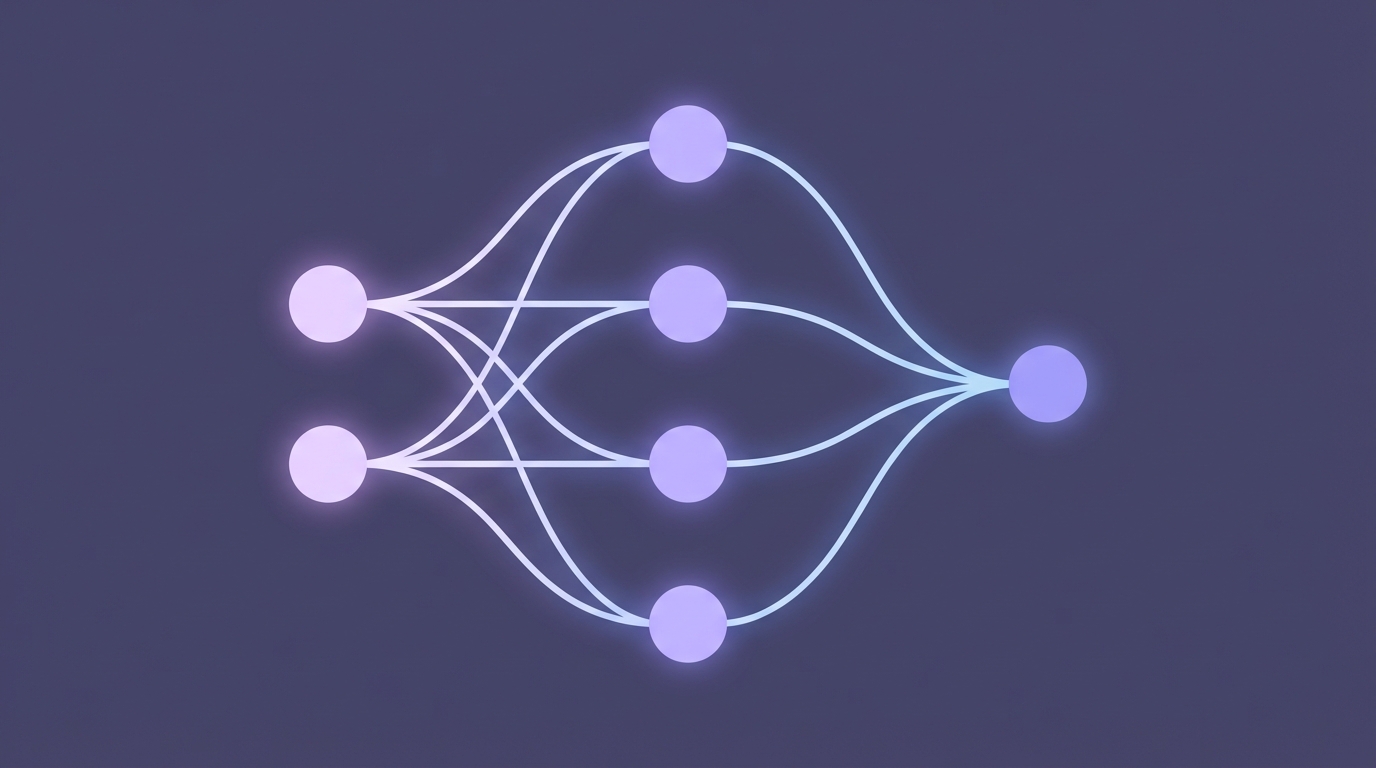
See how signals flow through a neural network. Adjust inputs and watch neurons light up as data passes through layers to produce an output.
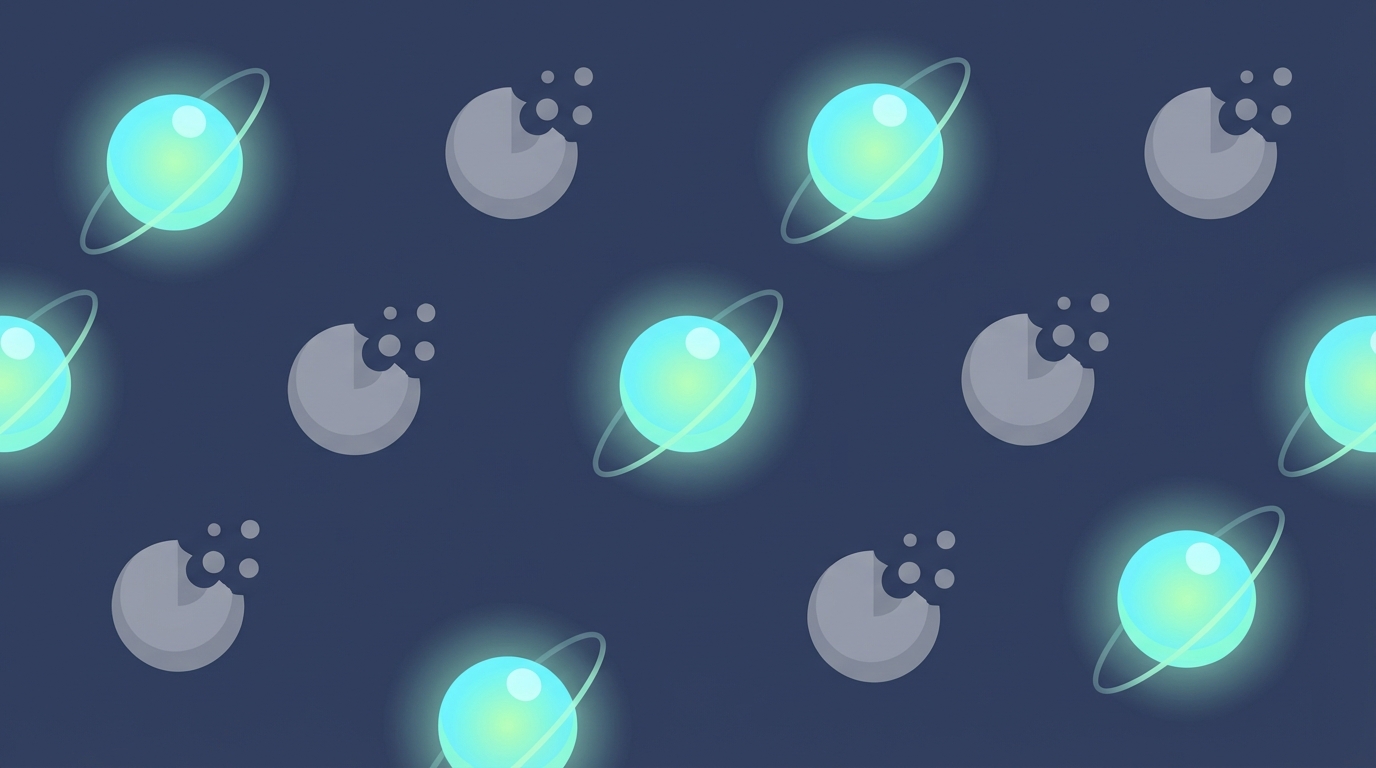
Watch radioactive atoms decay over time. The same fraction disappears each half-life, revealing the exponential nature of radioactive decay.
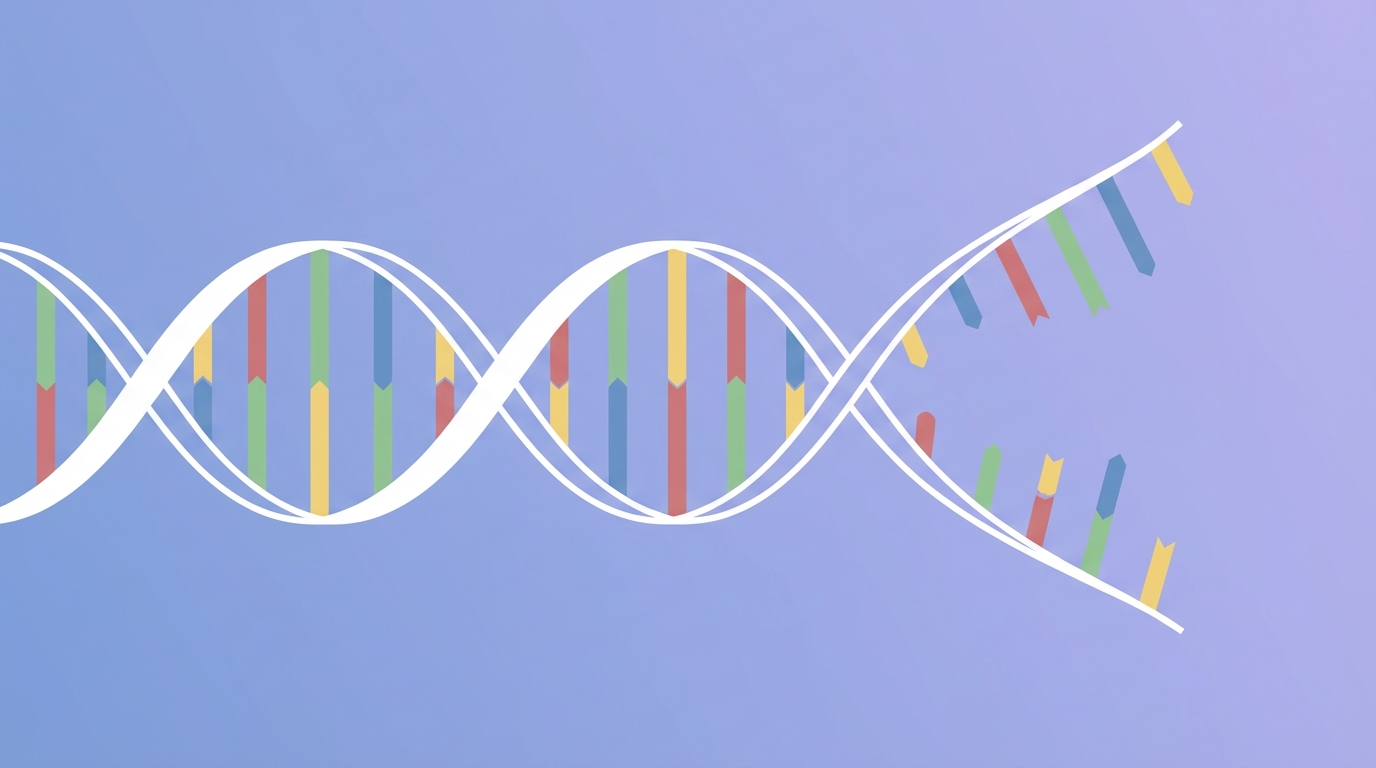
Watch the double helix unzip and see how complementary base pairs (A-T, G-C) come together during DNA replication.
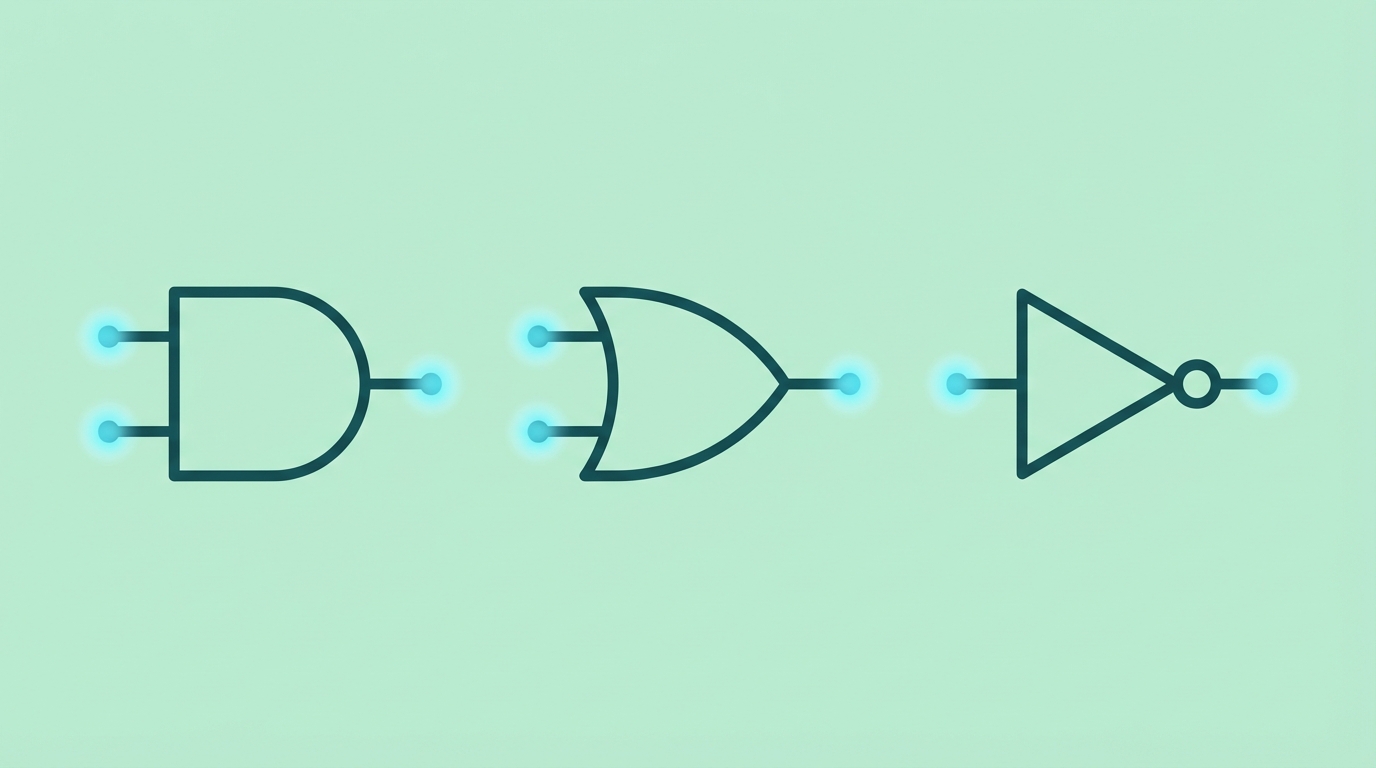
Explore Boolean logic by toggling inputs through AND, OR, NOT, NAND, and XOR gates. Watch signals flow and outputs change in real-time.
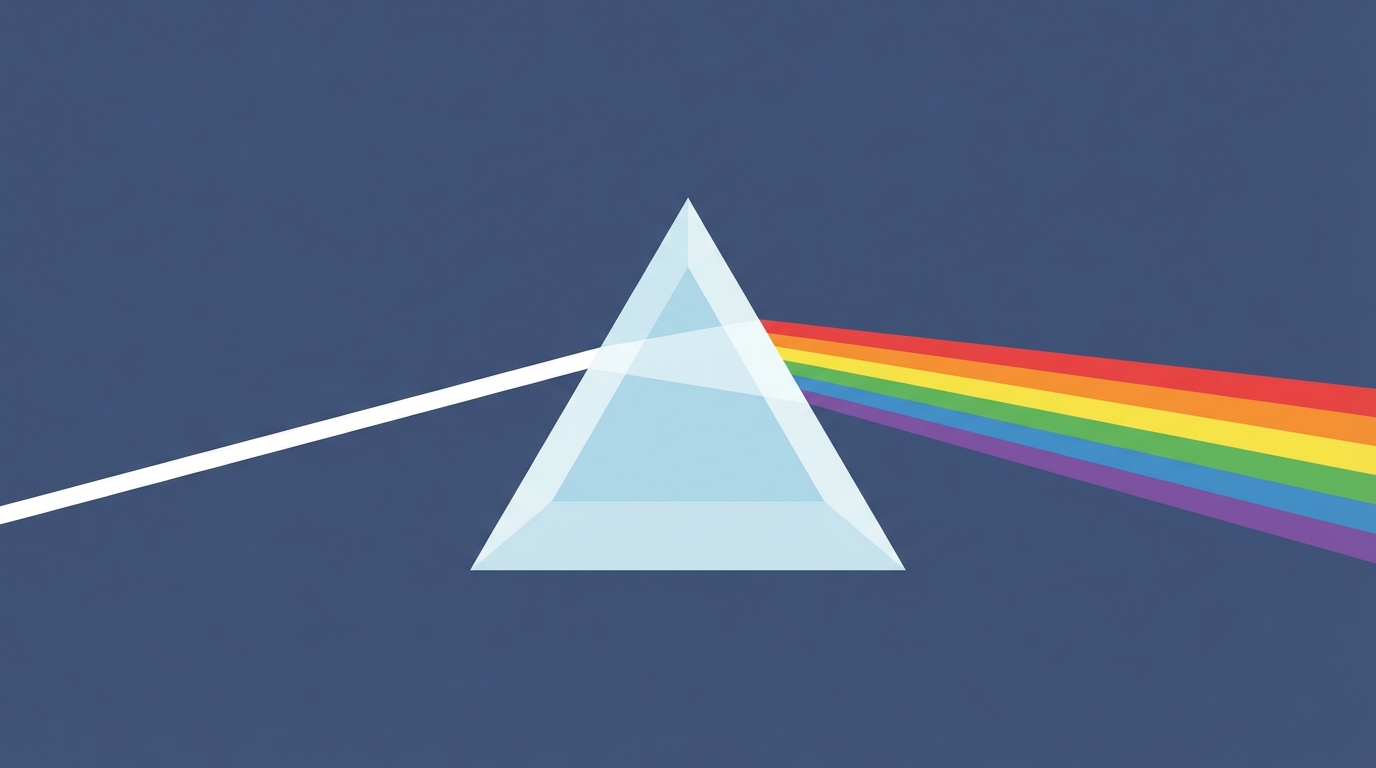
Watch white light split into a rainbow as it passes through a prism. Drag to rotate the prism and see how the angle affects dispersion.

Learn how bubble sort, quick sort, and merge sort work step-by-step. Watch each algorithm organize data and understand the logic behind it.
Cross traits between two parents and watch dominant/recessive inheritance ratios emerge in this interactive Punnett Square.

Encode and decode messages with Morse code. Watch a signal lamp flash and hear the classic telegraph tones as dots and dashes transmit your message.
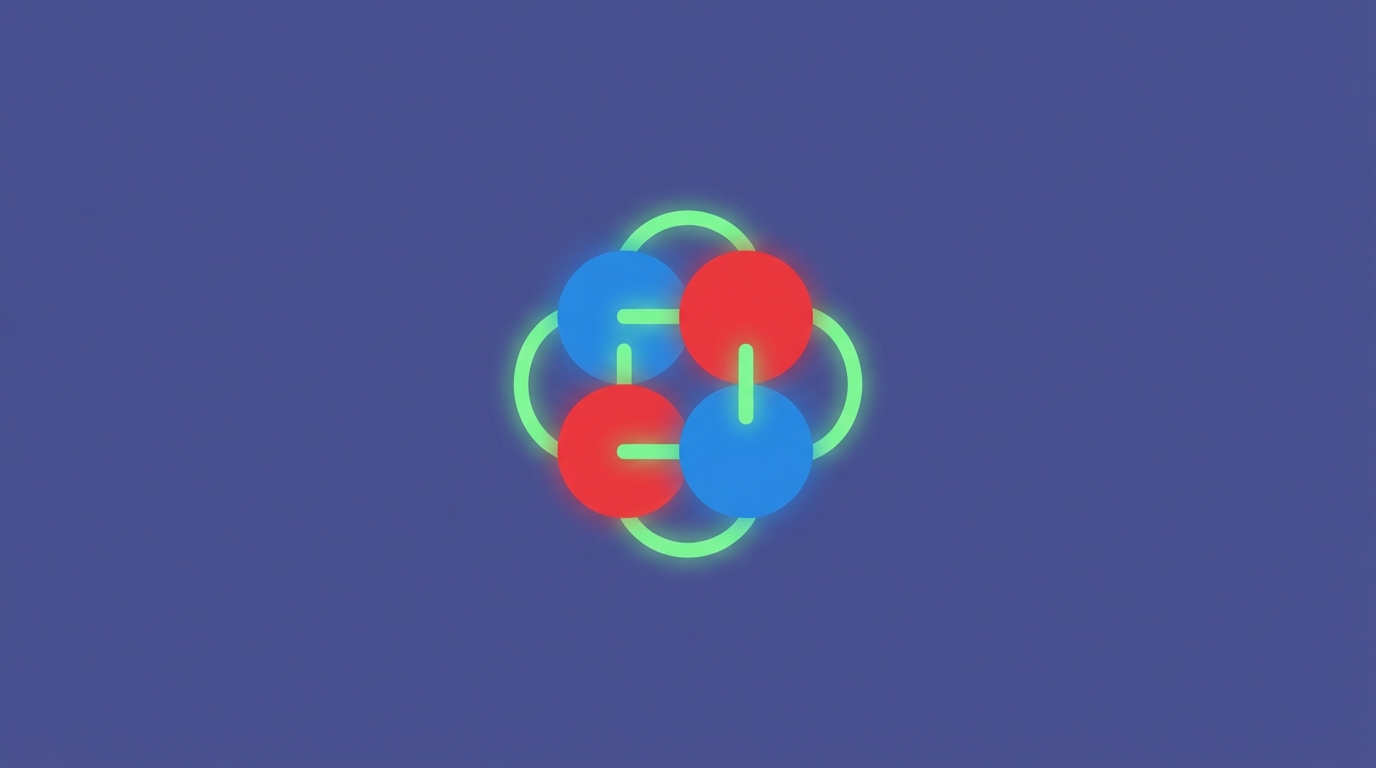
Visualize the forces inside atomic nuclei: the strong force binds protons and neutrons together, while the weak force causes radioactive beta decay.
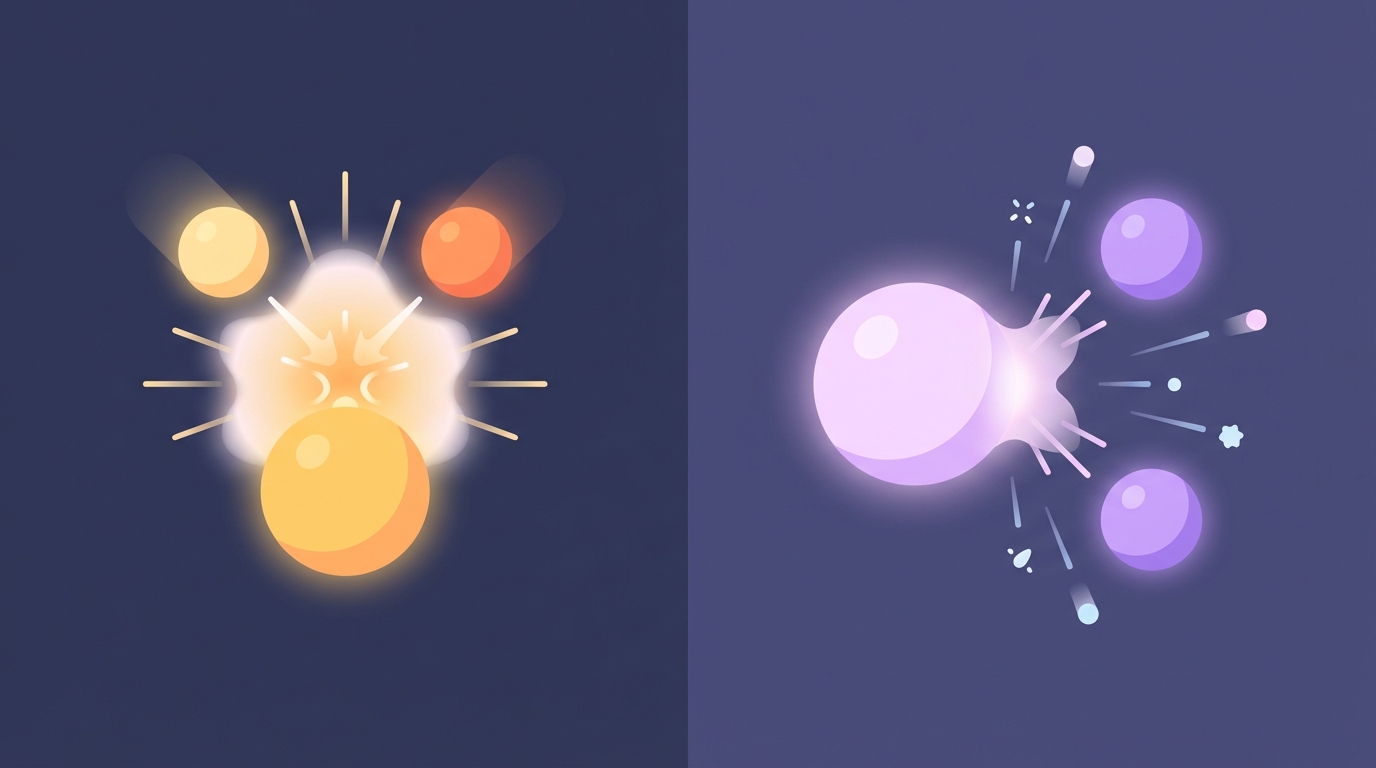
Compare nuclear fusion and fission side-by-side. Watch hydrogen nuclei combine in fusion while uranium splits apart in fission—both releasing energy.

Watch the famous infinite chocolate illusion animate step-by-step, then reveal where the missing area actually hides.
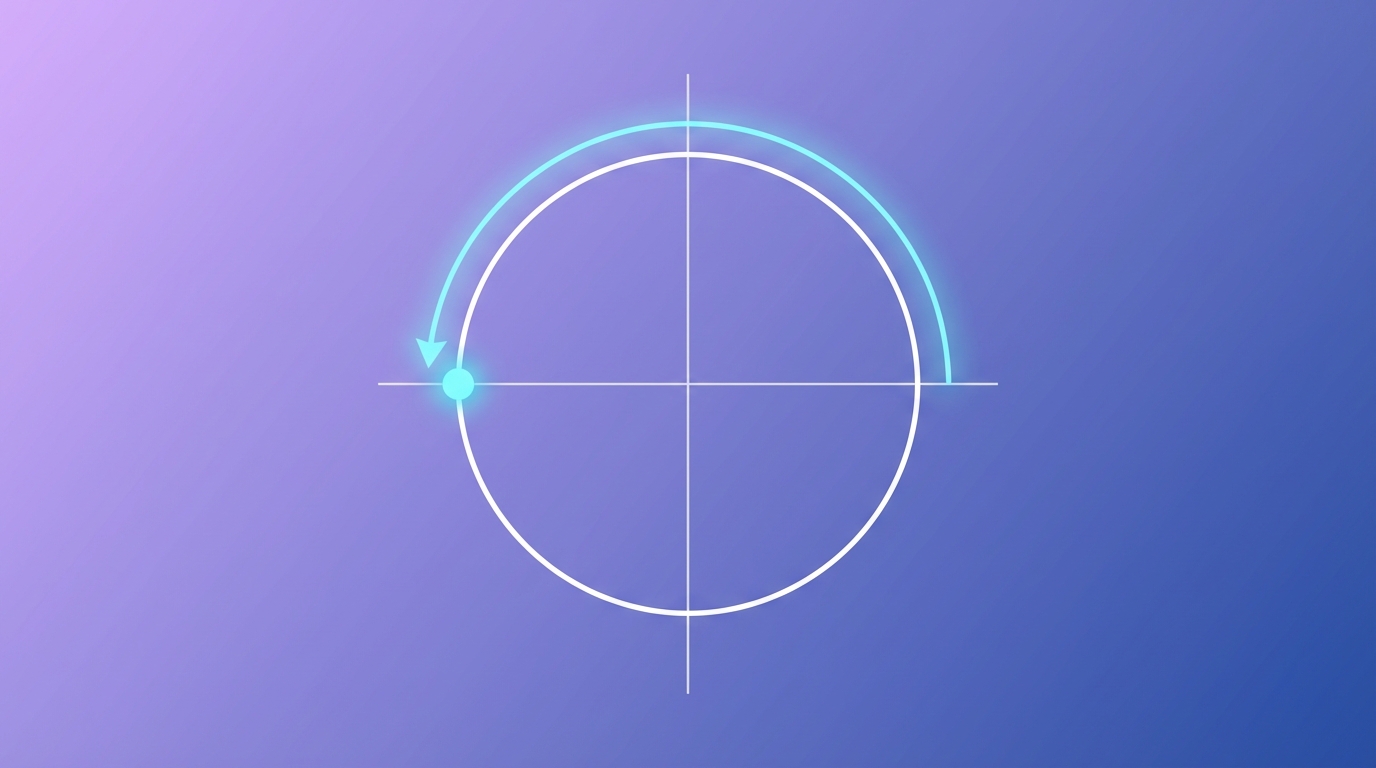
Watch e^(iπ) + 1 = 0 come alive as a point travels around the unit circle in the complex plane, revealing how five fundamental constants connect.
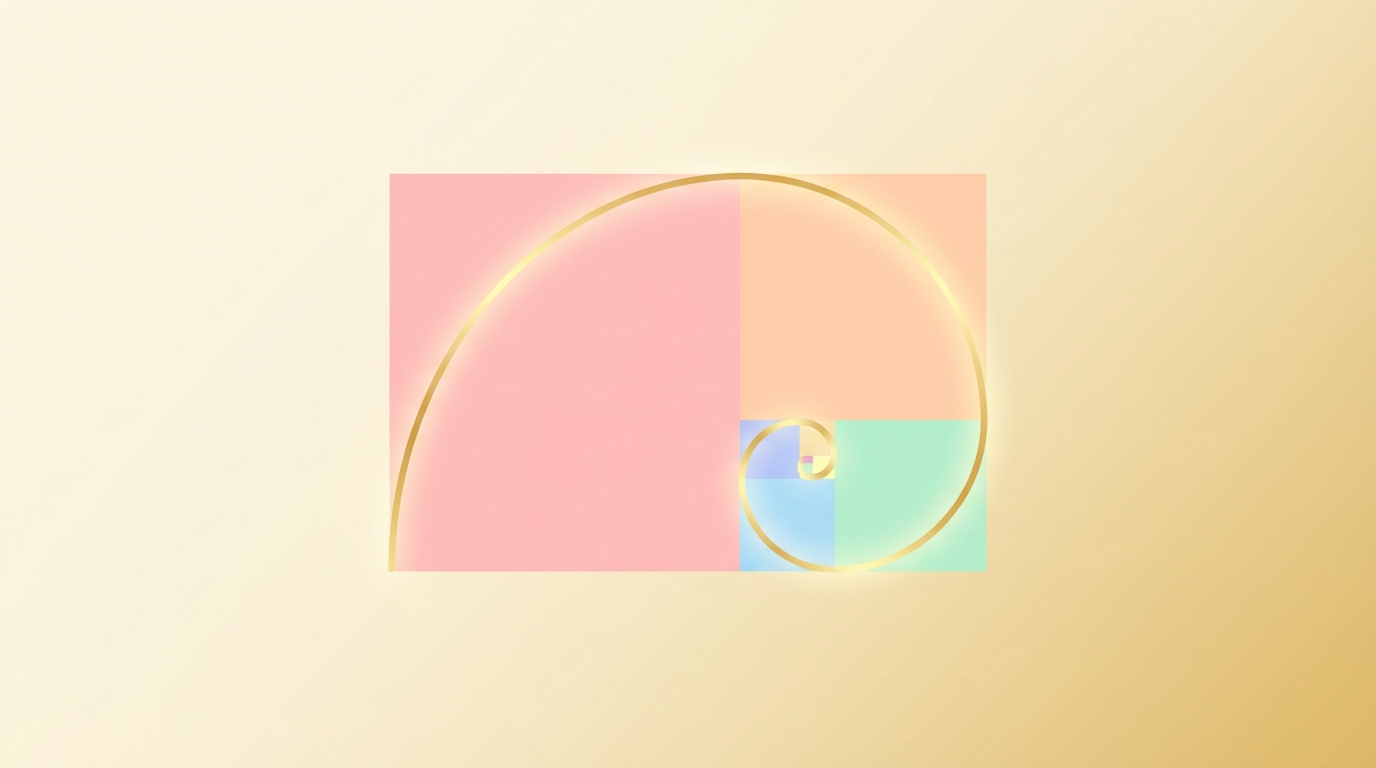
Watch the golden spiral emerge as Fibonacci squares stack in a mesmerizing pattern, revealing nature's most elegant ratio.
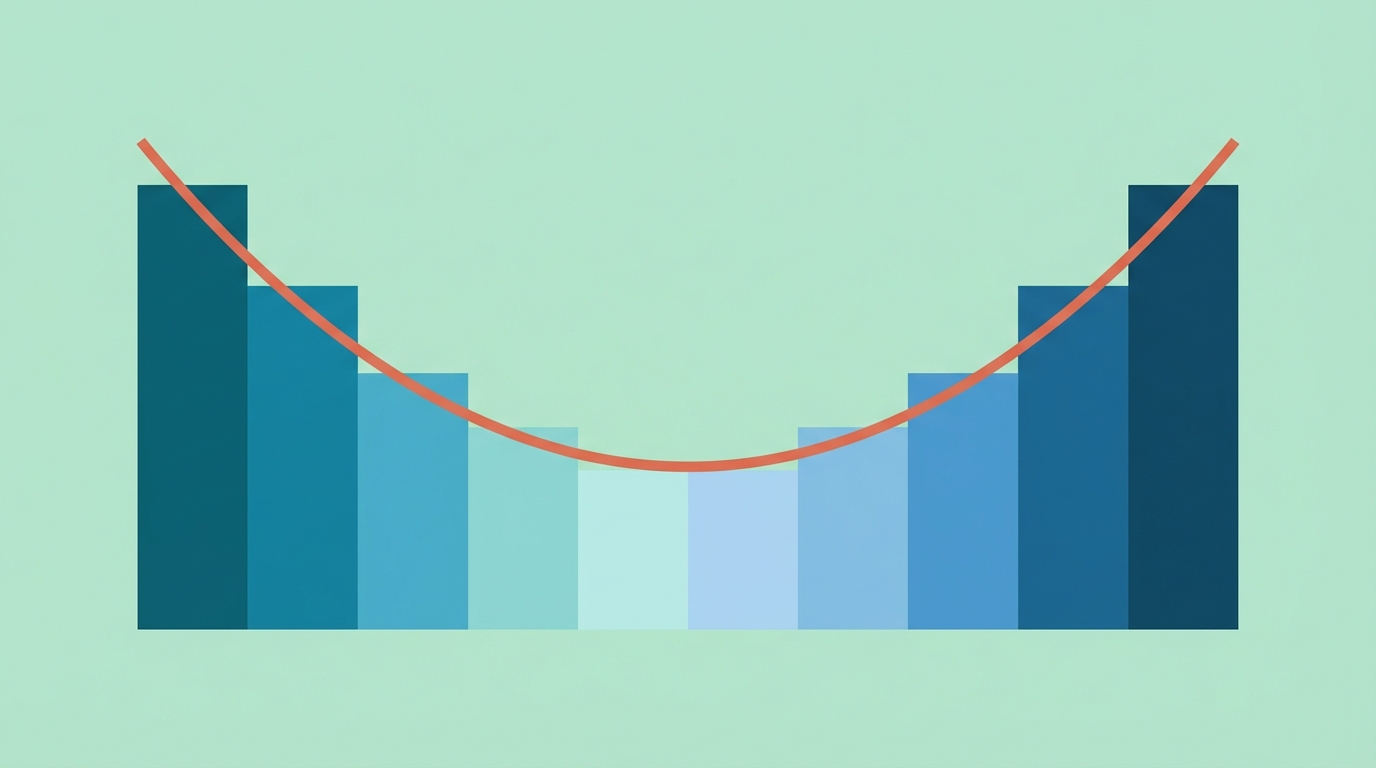
Visualize how rectangles under a curve approximate the area beneath it. Watch the approximation improve as you add more rectangles.
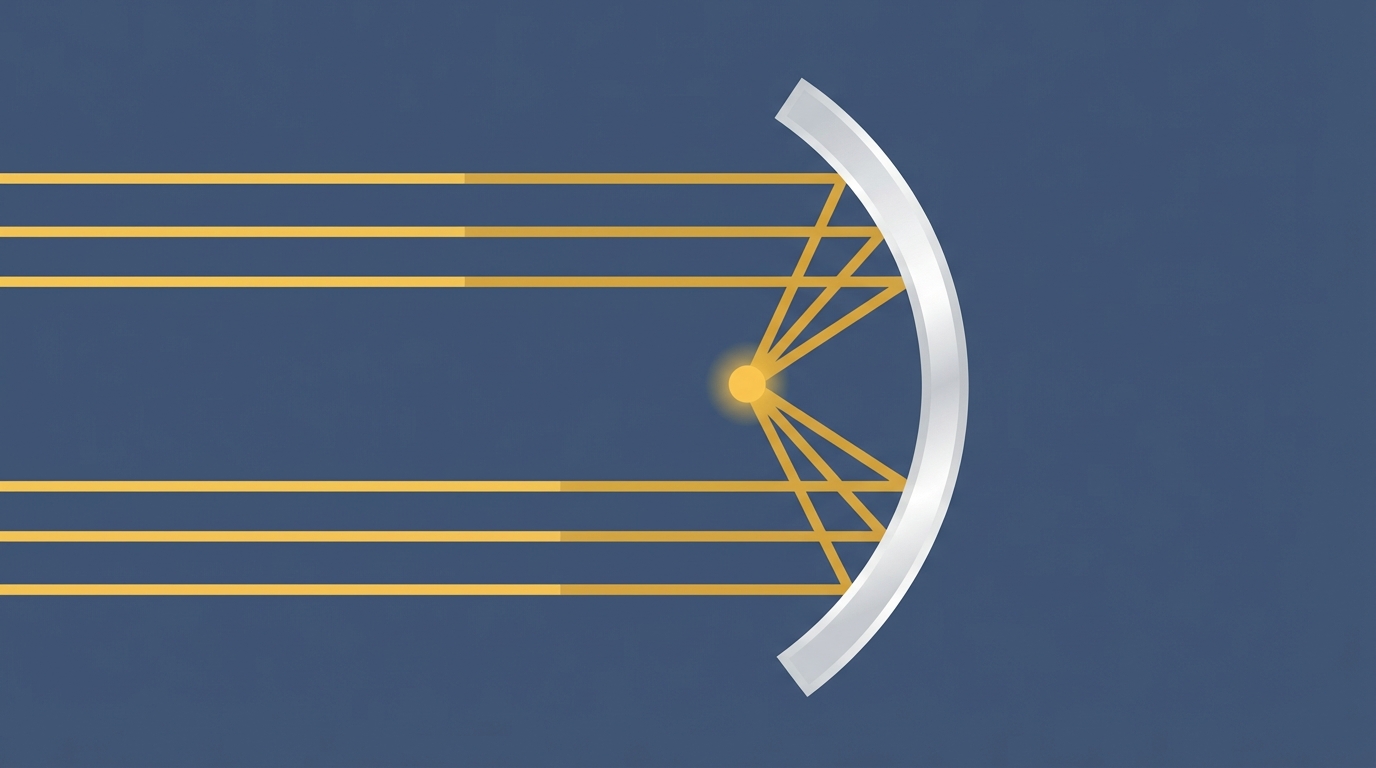
Watch parallel rays reflect off a parabolic mirror and converge at the focus point—the principle behind satellite dishes and telescopes.
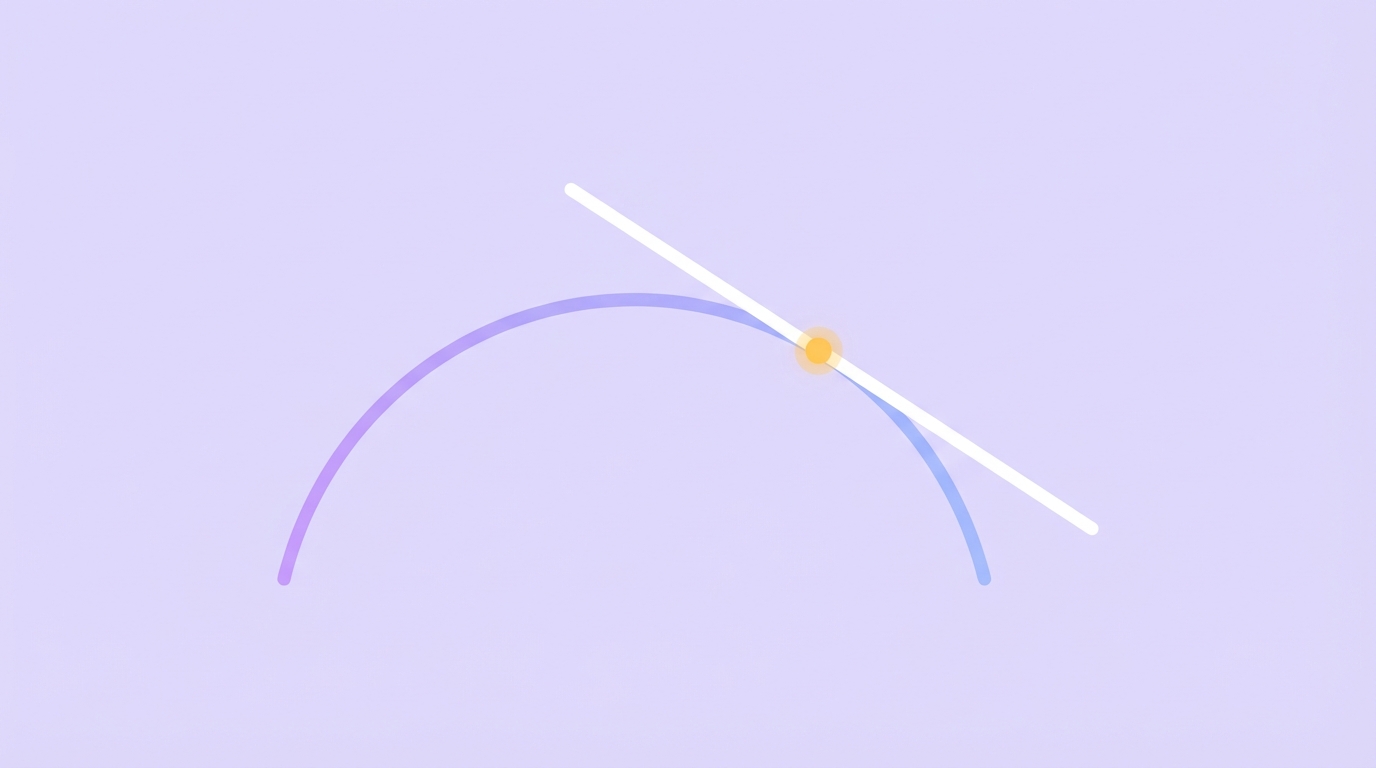
Drag a point along a curve and watch the tangent line show the slope (derivative) at each point.
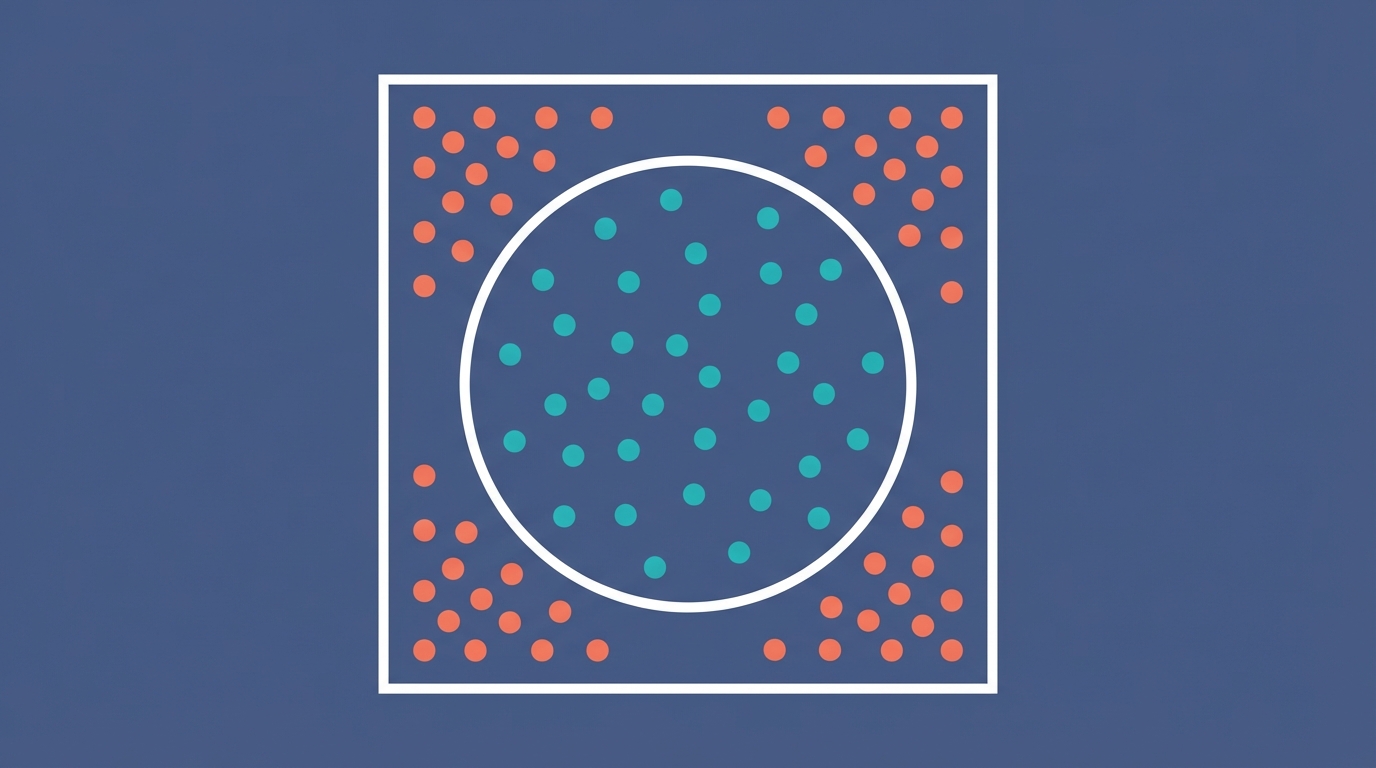
Estimate pi using random points. Watch as the ratio of points inside a circle to total points converges to reveal the value of pi.
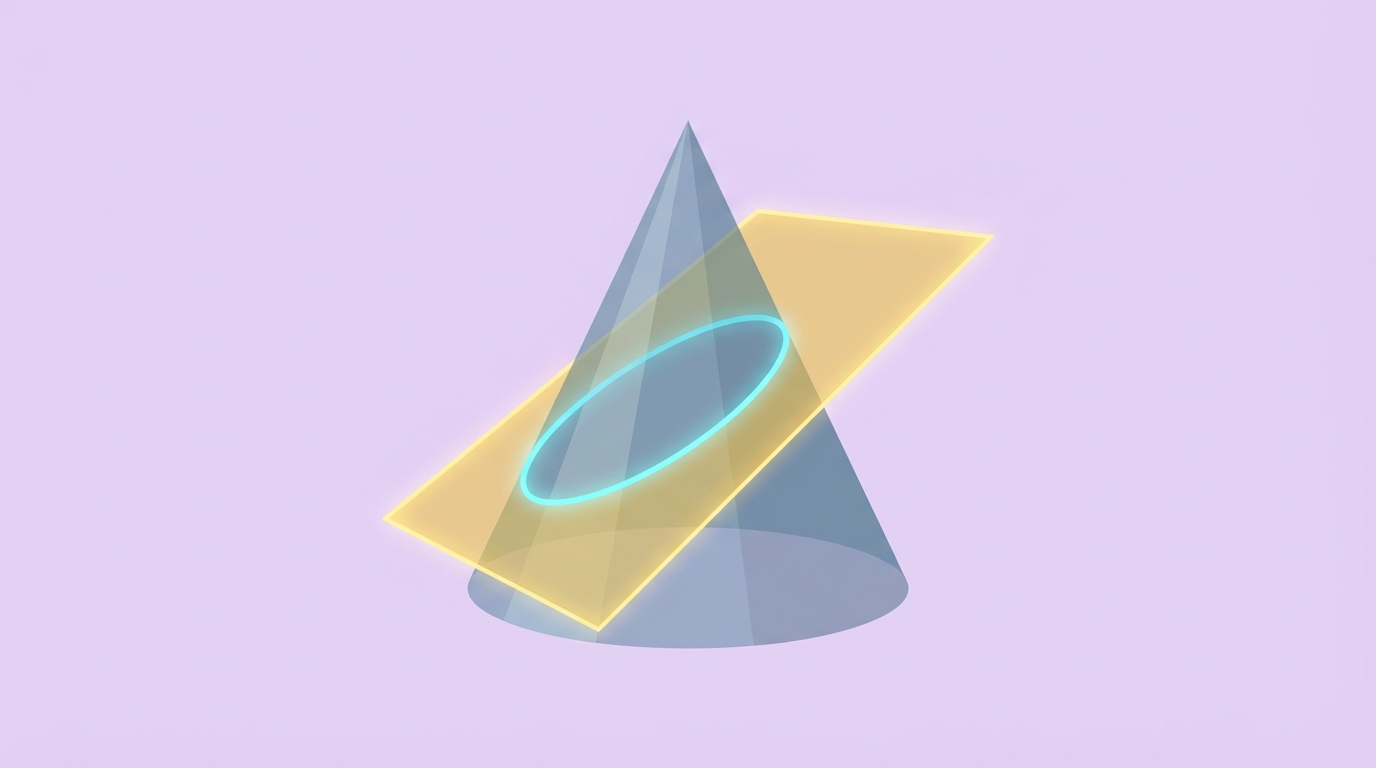
Tilt a plane through a cone to reveal circles, ellipses, parabolas, and hyperbolas—the four conic sections.
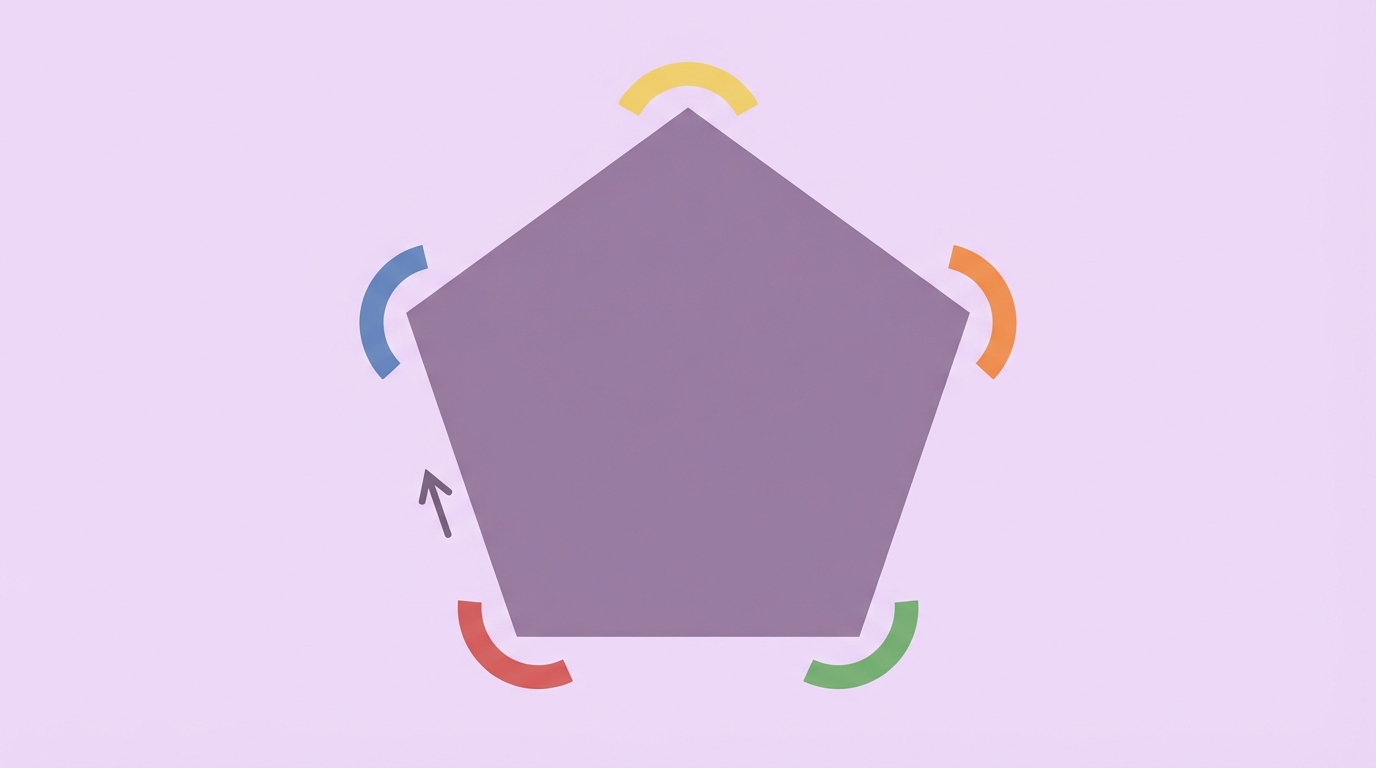
Walk around any polygon and watch the exterior angles always sum to 360 degrees. Drag vertices to reshape and see the math in action.
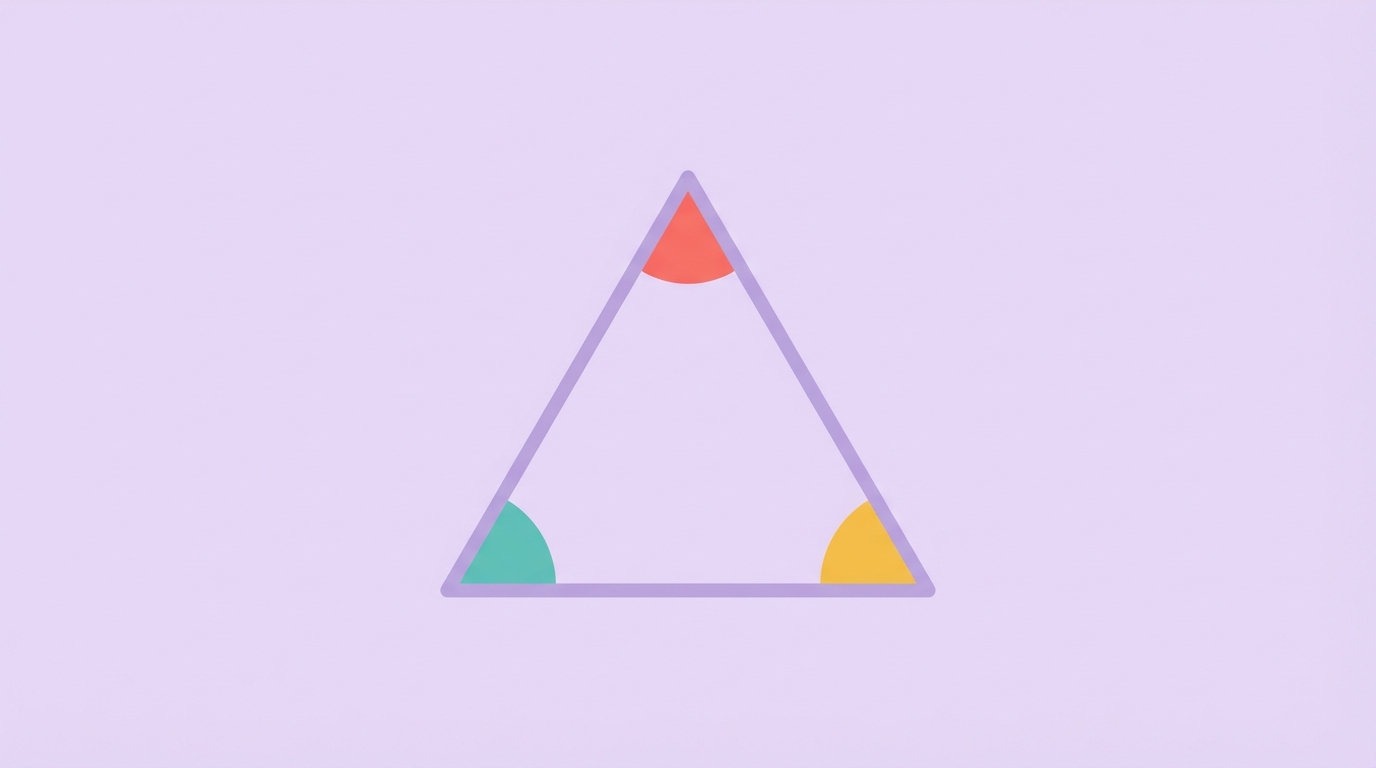
Drag the corners of a triangle and watch as the three interior angles animate together to form a straight line, proving they always sum to 180 degrees.
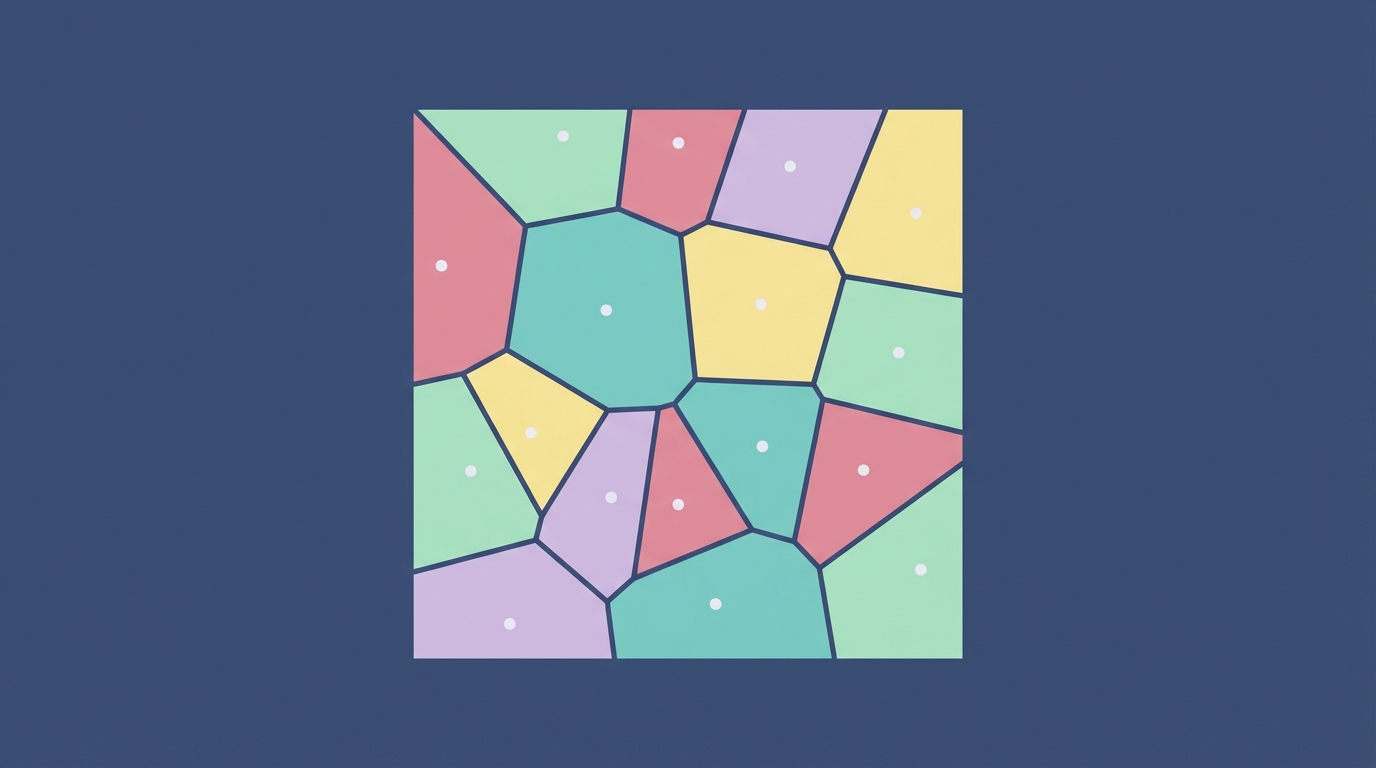
Tap to place points and watch space divide - like a city where each hospital serves the closest residents. Each pixel is colored by the point nearest to it.
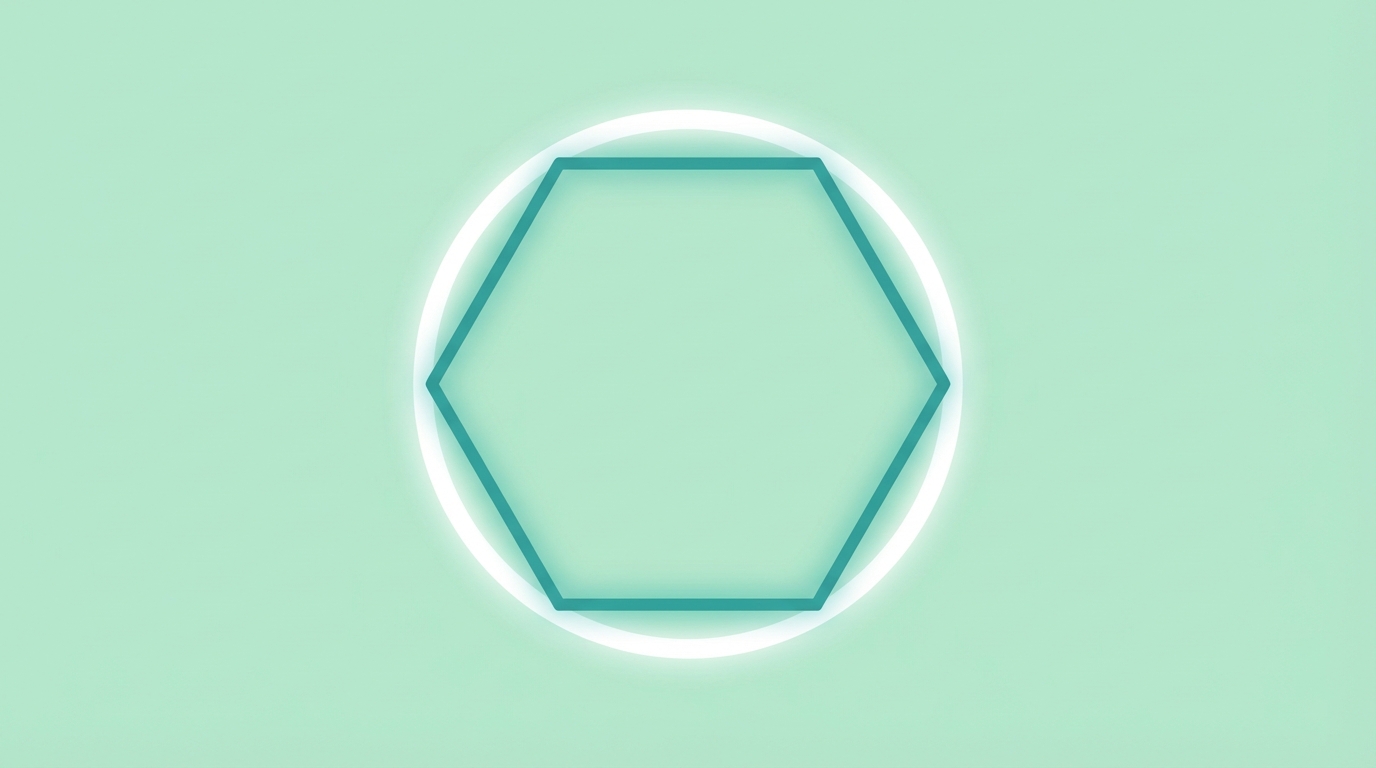
Watch a polygon inscribed in a circle approach pi as you add more sides. An interactive demonstration of Archimedes' method.
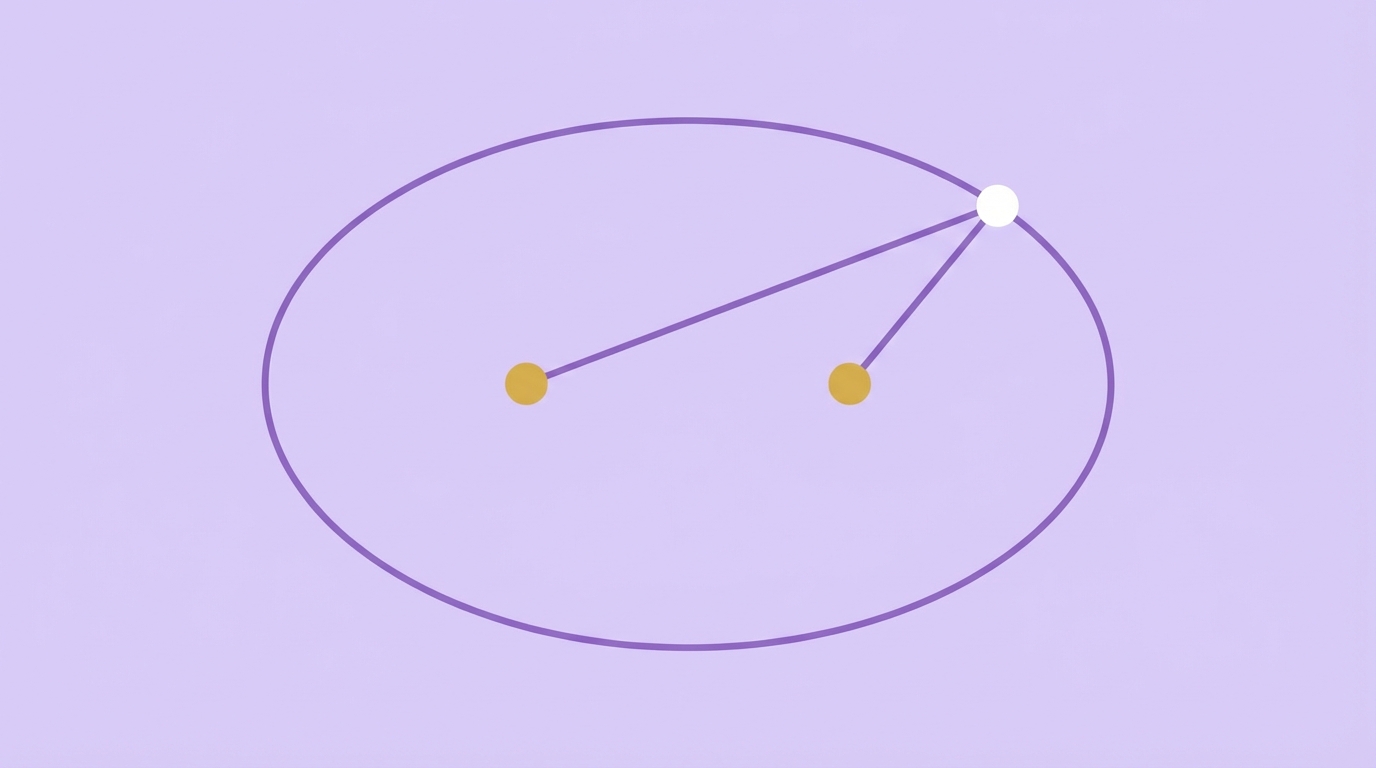
Drag a point around an ellipse and watch the sum of distances to both foci stay constant—the defining property of an ellipse.
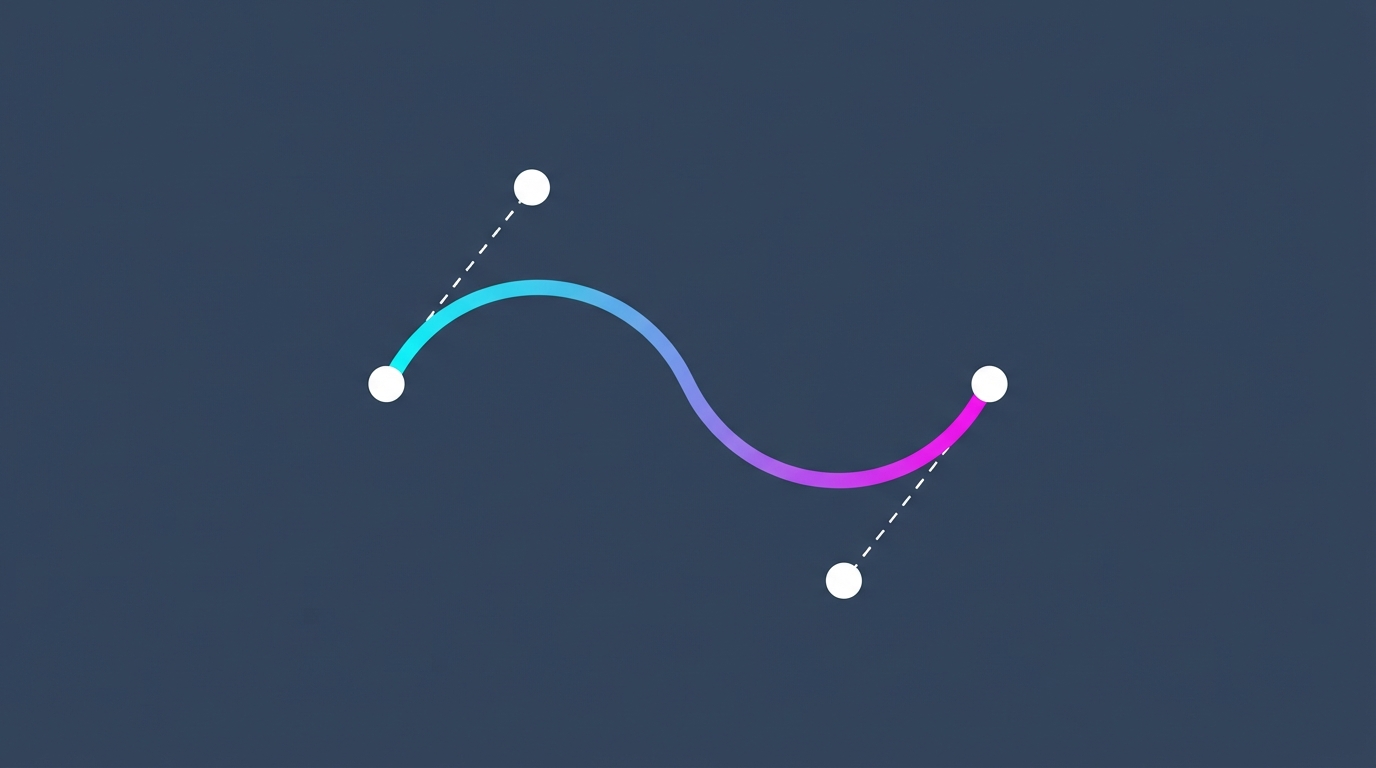
Drag control points to shape smooth curves and see how digital design tools create perfect curves.
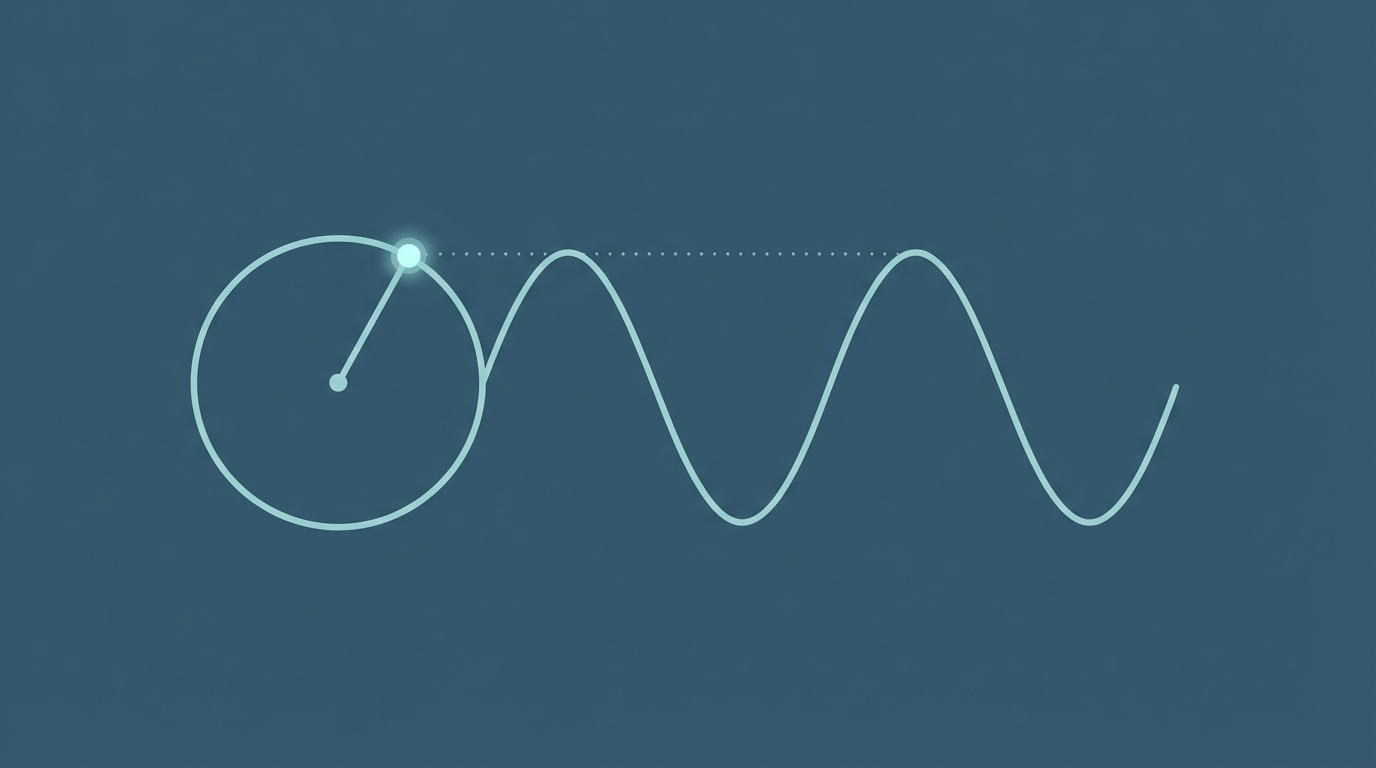
Watch how circular motion creates sine waves. A rotating point casts its shadow, tracing out the wave in real-time.
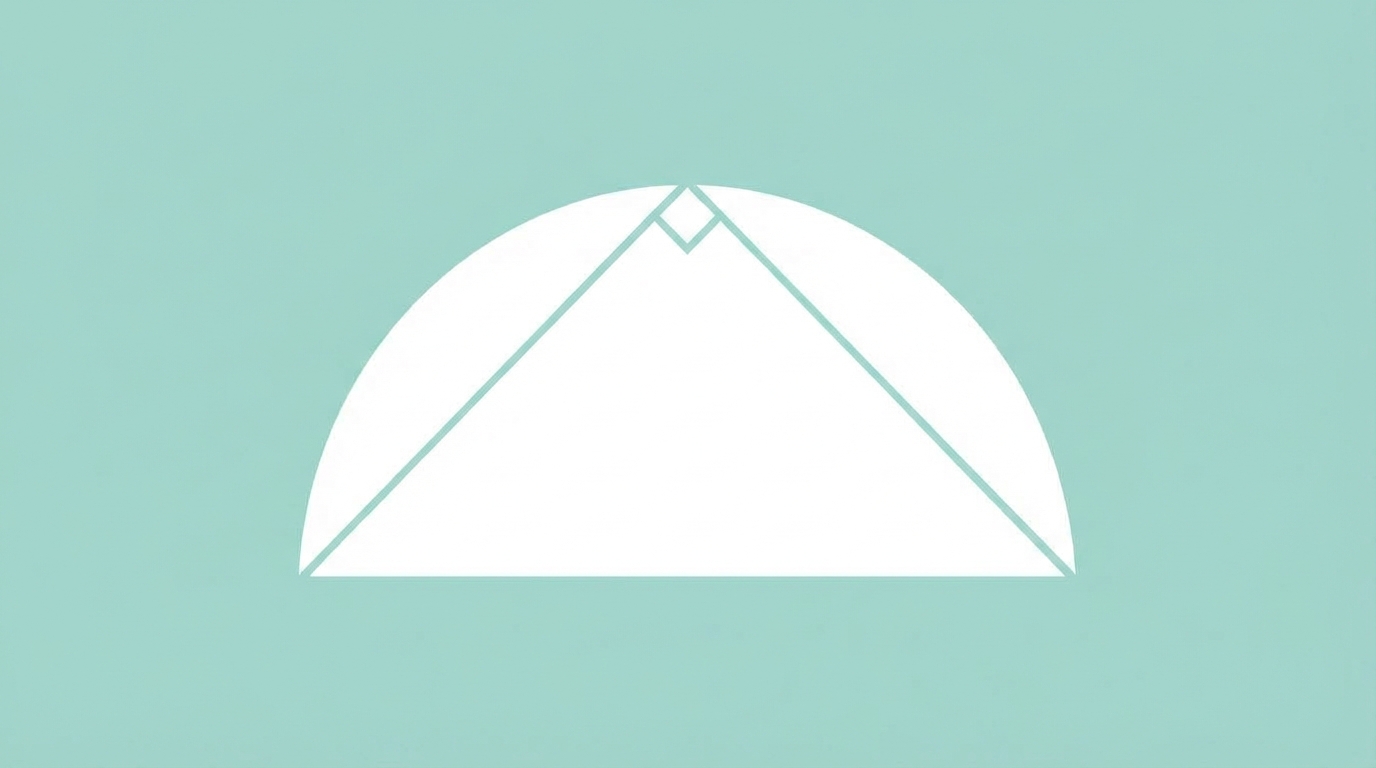
Explore Thales' Theorem: any point on a semicircle forms a right angle (90°) with the diameter endpoints. Drag the point to see it stay constant.
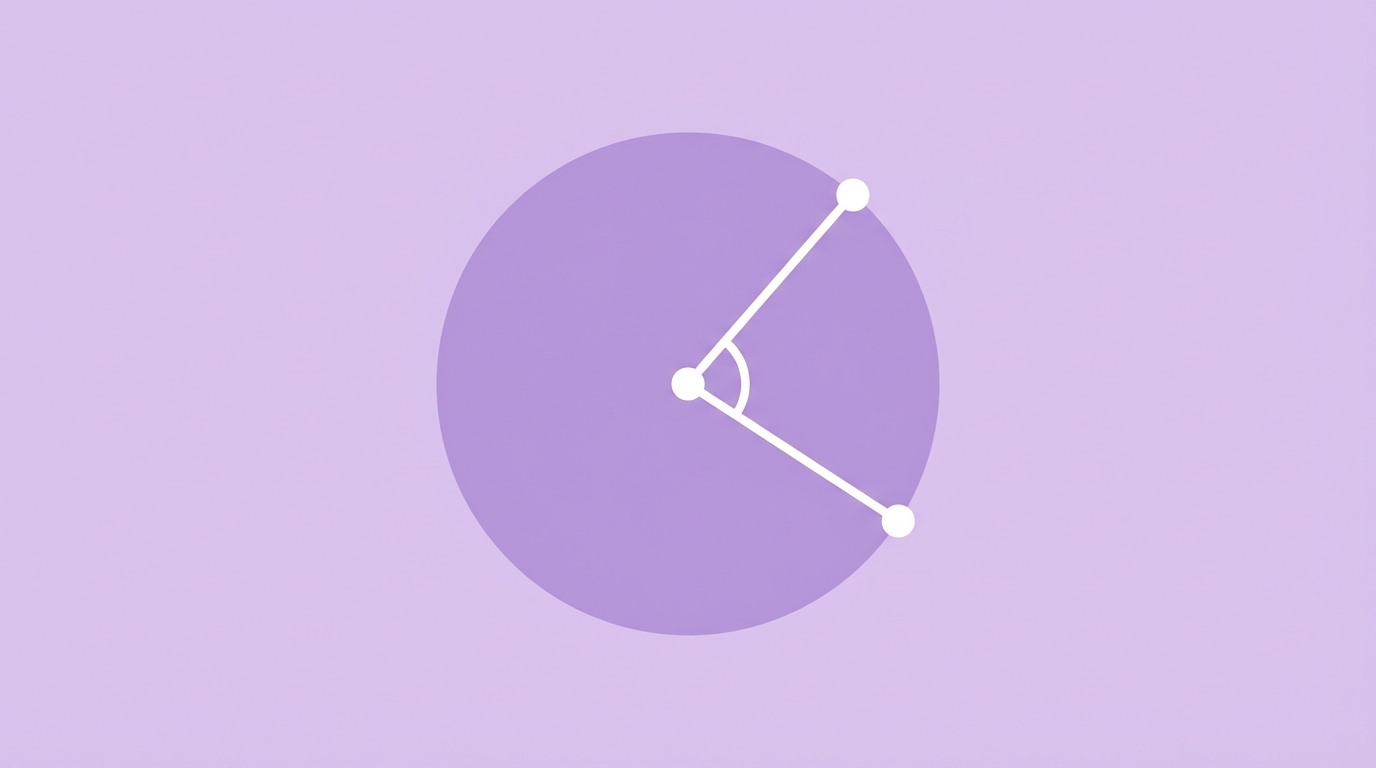
Drag a point around an arc and watch the inscribed angle stay constant. Discover why all inscribed angles subtending the same arc are equal.
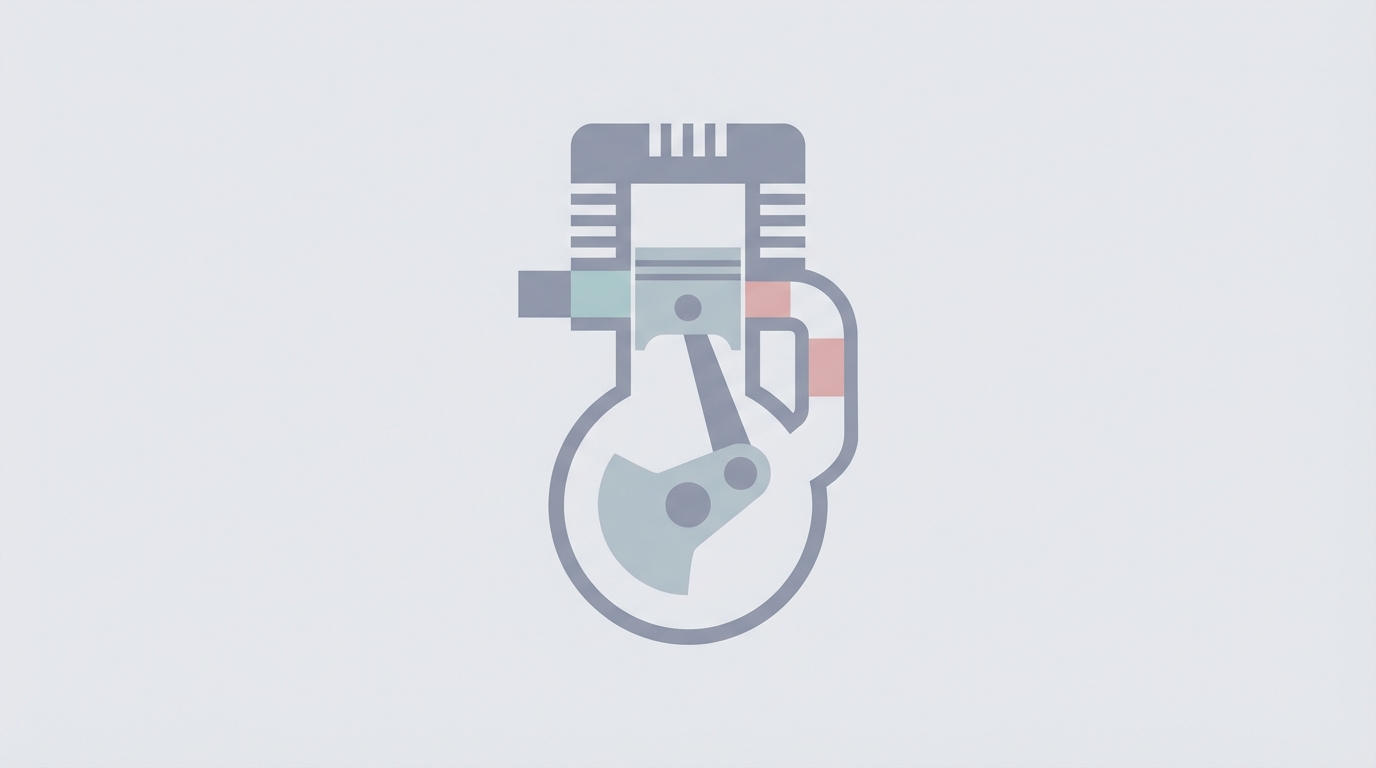
See how a 2-stroke engine completes intake, compression, power, and exhaust in just one crankshaft revolution.
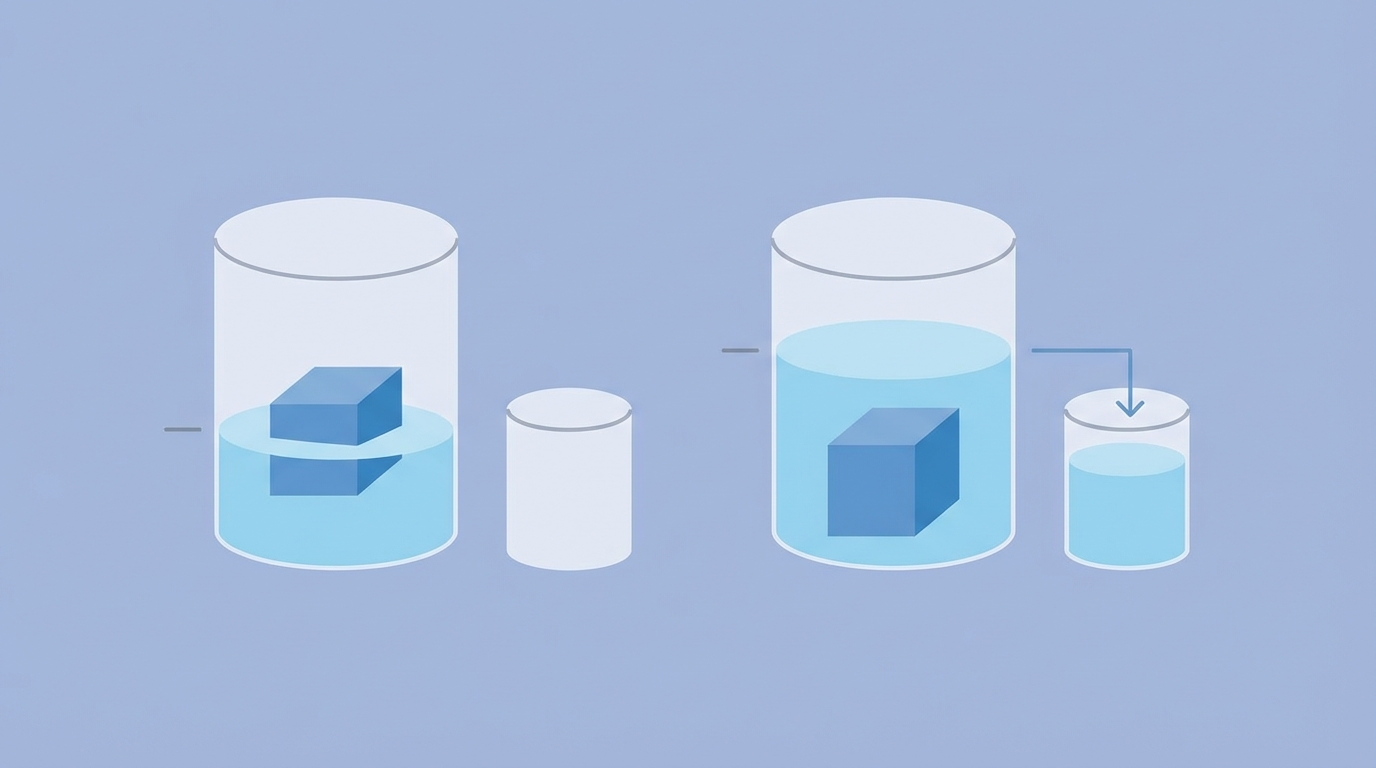
Drop objects into water and watch the level rise. Discover how Archimedes measured volume through displacement.
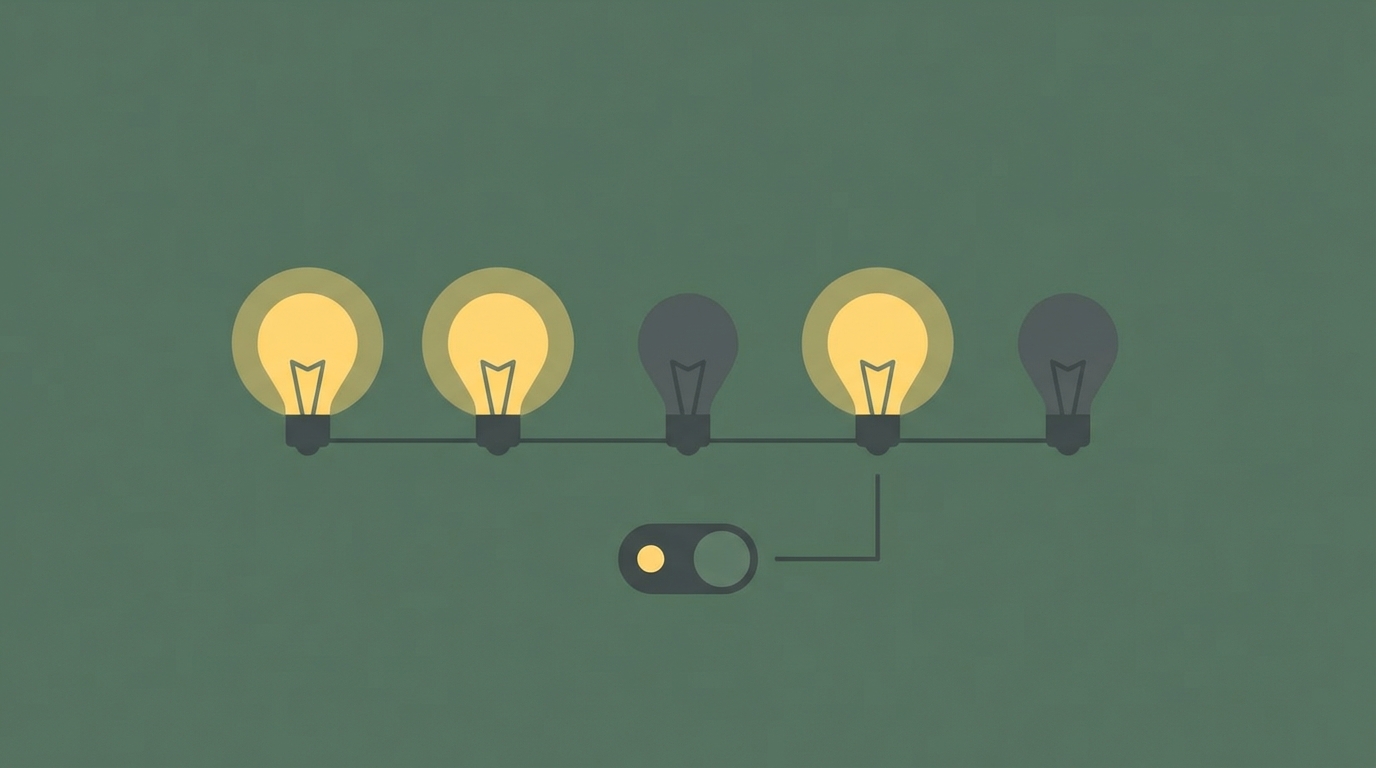
Convert numbers between decimal and binary. Tap bits to toggle them ON/OFF and see how powers of 2 combine to form any number.
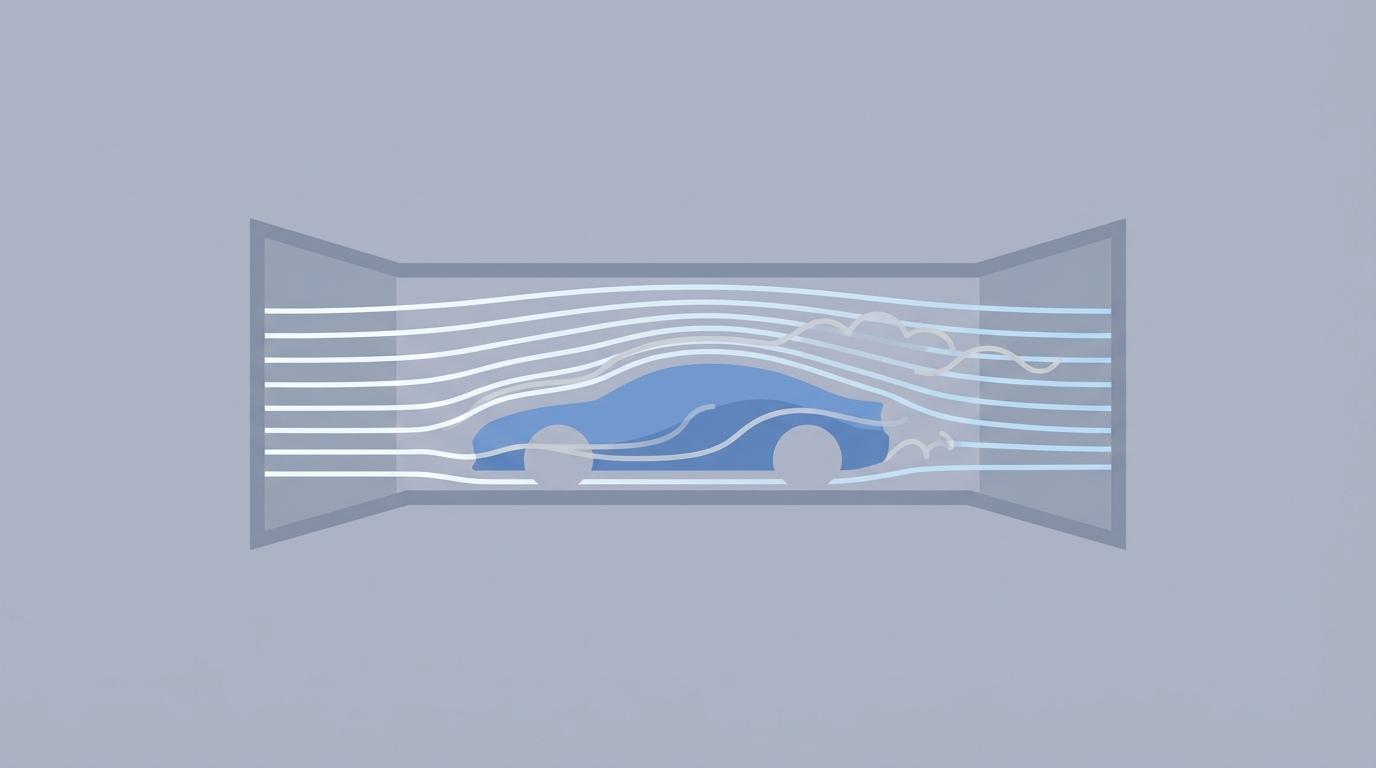
Place different objects in a virtual wind tunnel and watch how air flows around them. Compare drag coefficients of a cow, truck, sports car, and more.
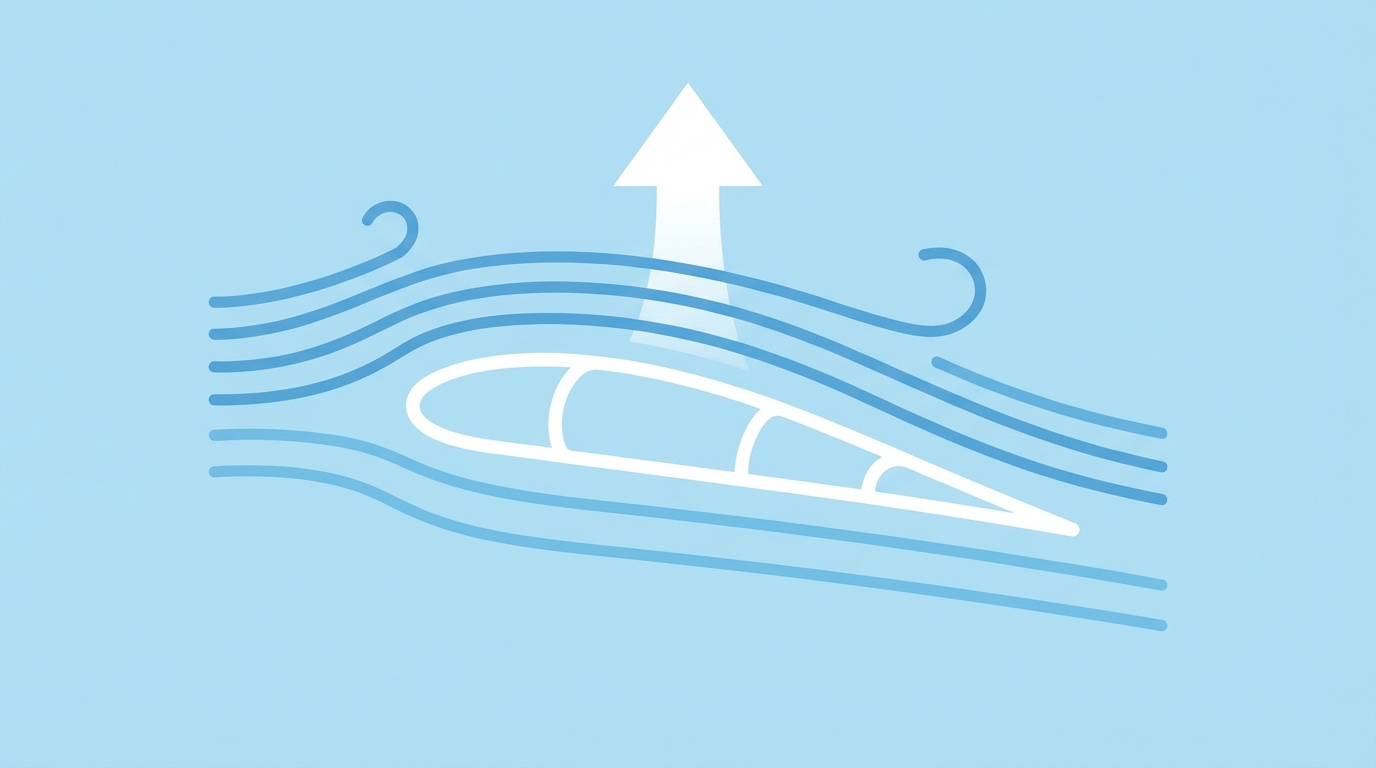
Watch thousands of air particles flow around a wing. See how angle of attack creates lift through pressure differences, and what happens during a stall.
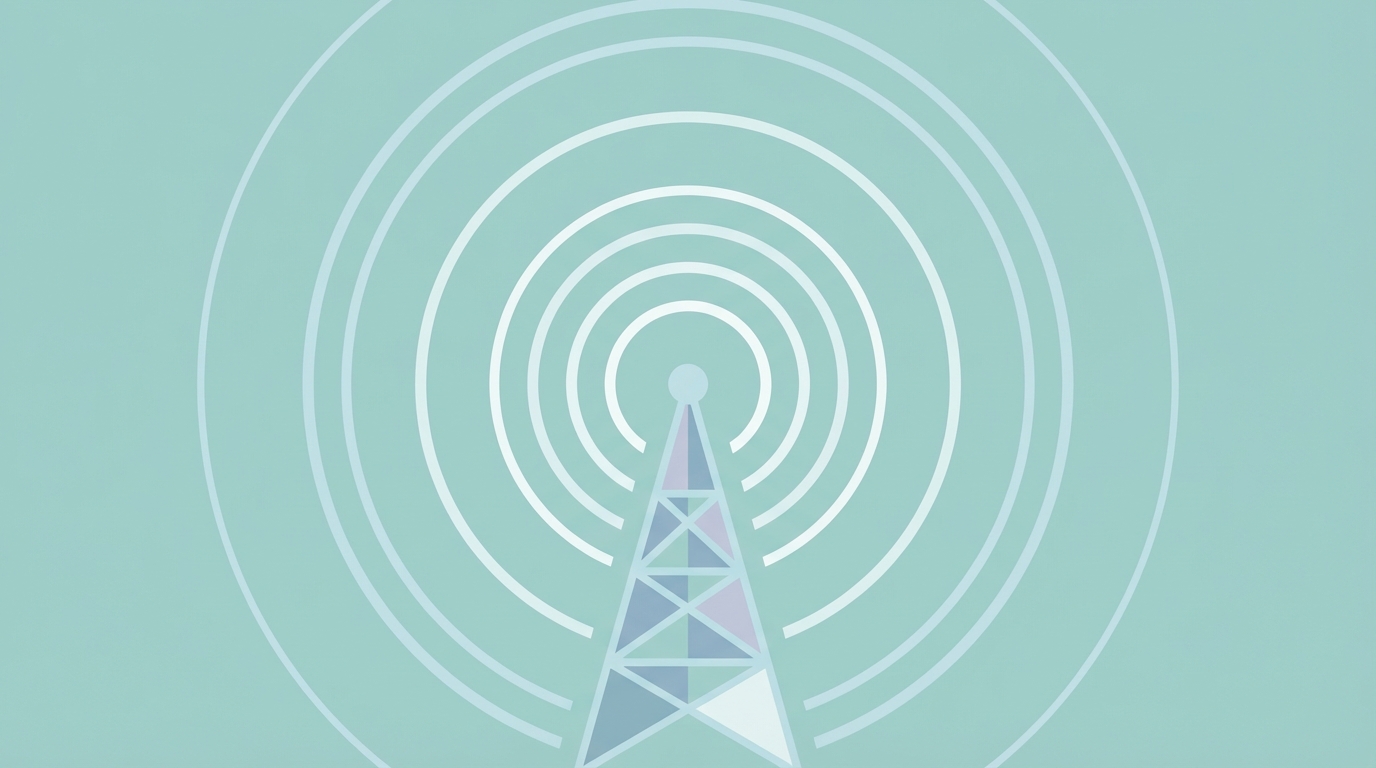
Explore how radio waves transmit information through amplitude (AM) and frequency (FM) modulation.
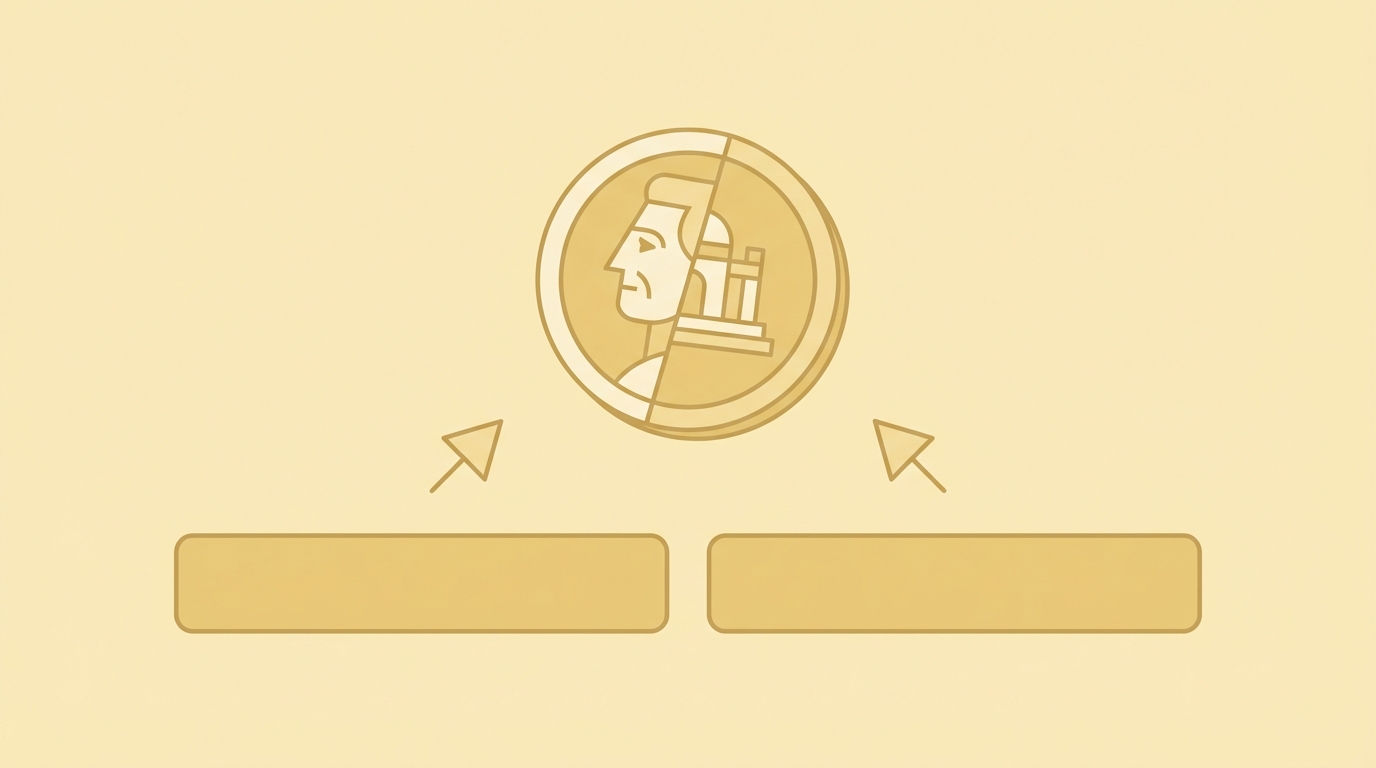
Flip coins and watch randomness converge to 50/50 — the Law of Large Numbers in action.
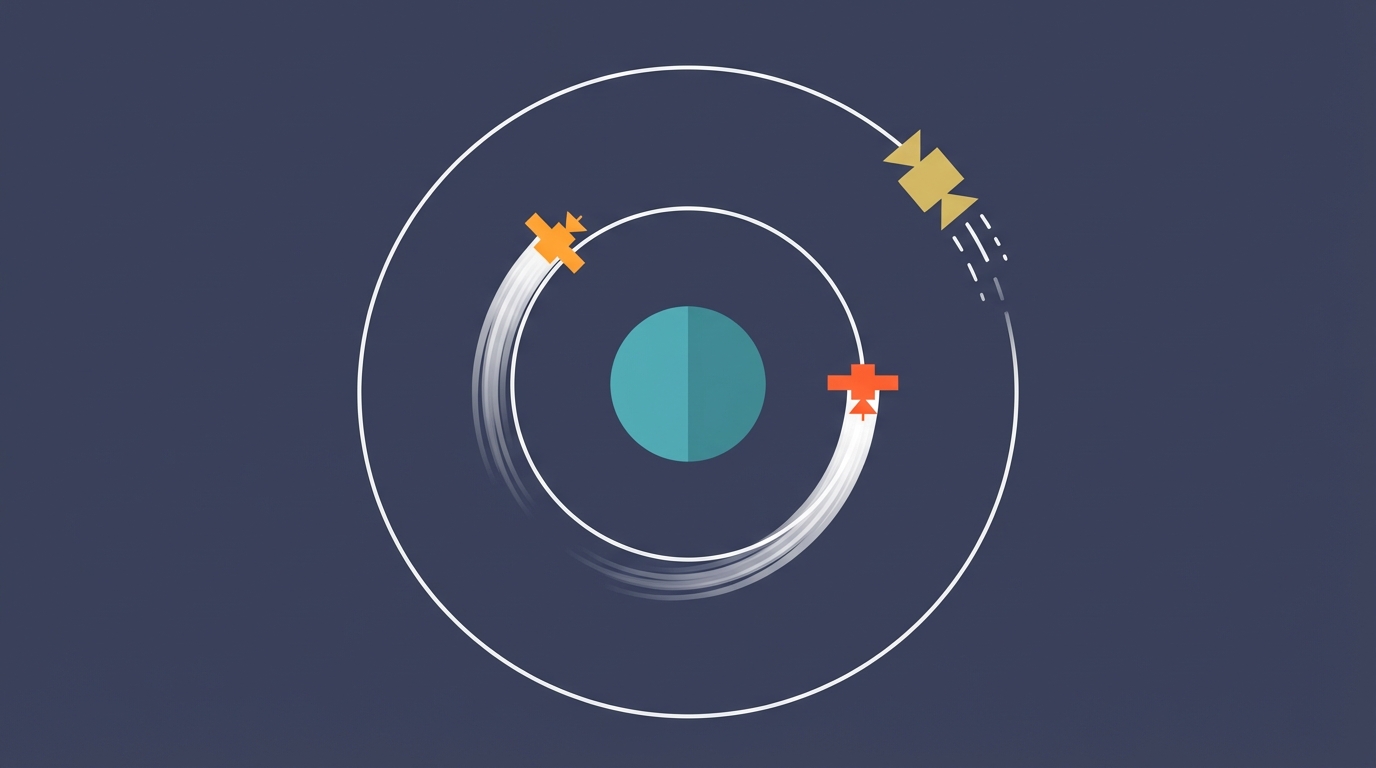
Discover why satellites closer to Earth move faster. Adjust orbital altitude and watch how speed changes.

Launch rockets with adjustable thrust and fuel. Watch staging in action and see why dropping empty tanks is the key insight that makes space travel possible.
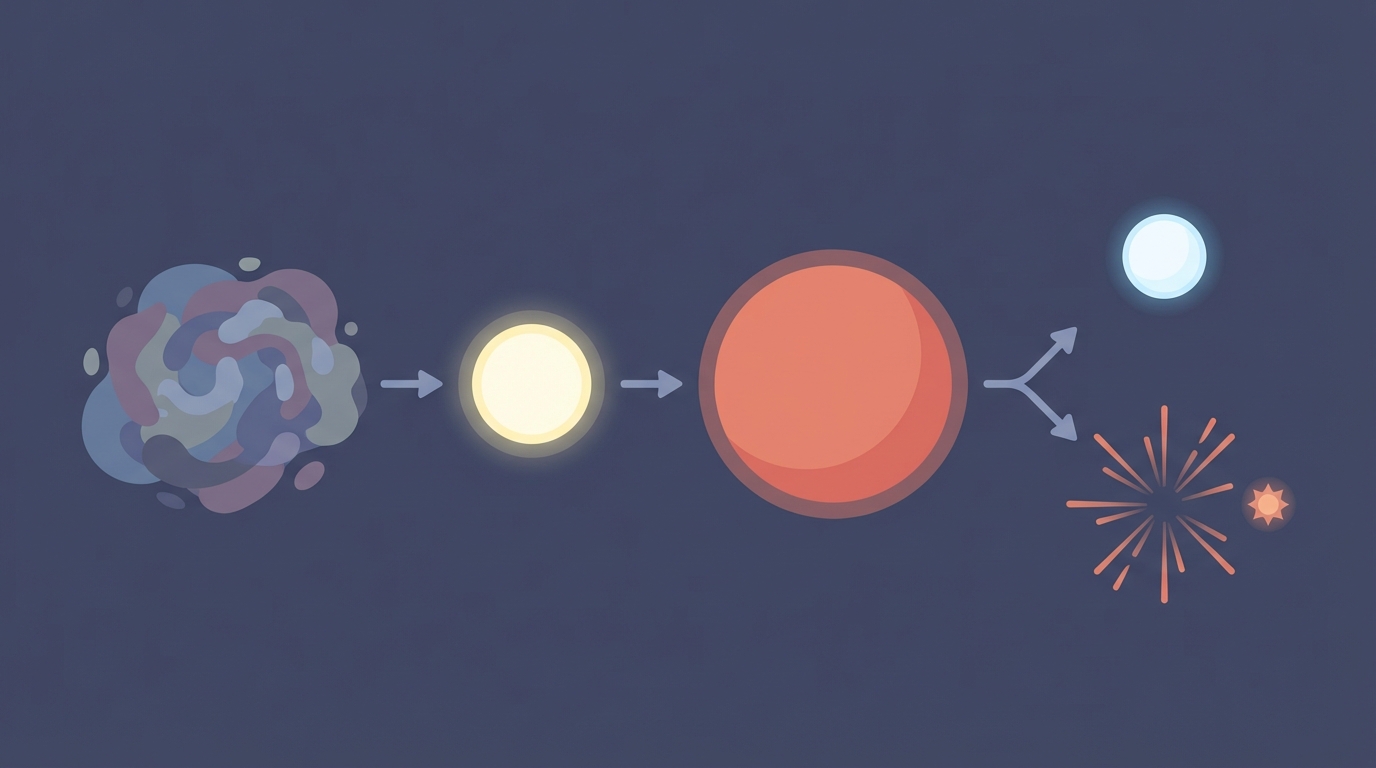
Watch a star evolve from nebula to its final fate. Adjust mass to see how it determines whether a star becomes a white dwarf, neutron star, or black hole.
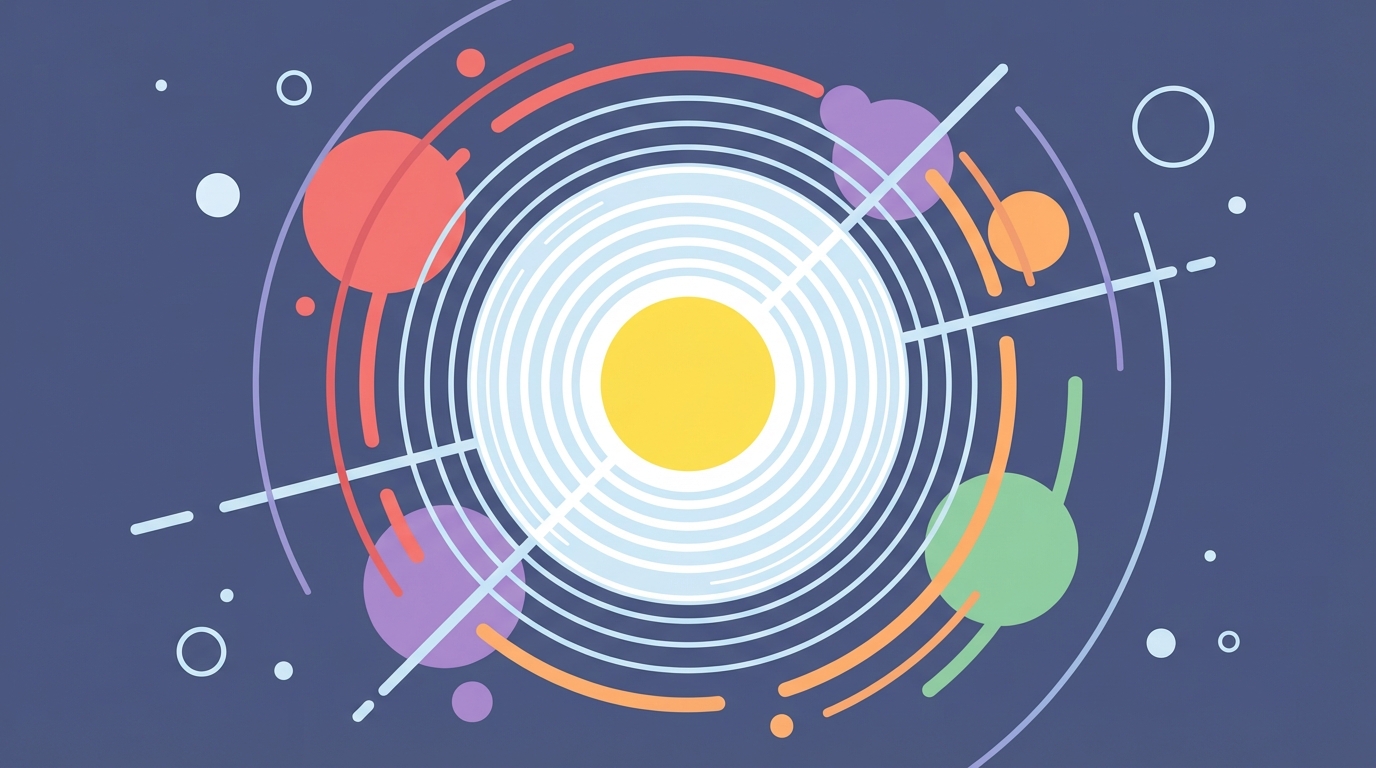
Watch a massive star collapse and explode. The heavy elements forged in this explosion—like iron and gold—seed the cosmos.

See how solar wind particles funnel along Earth's magnetic field lines to create the Northern Lights at the poles.
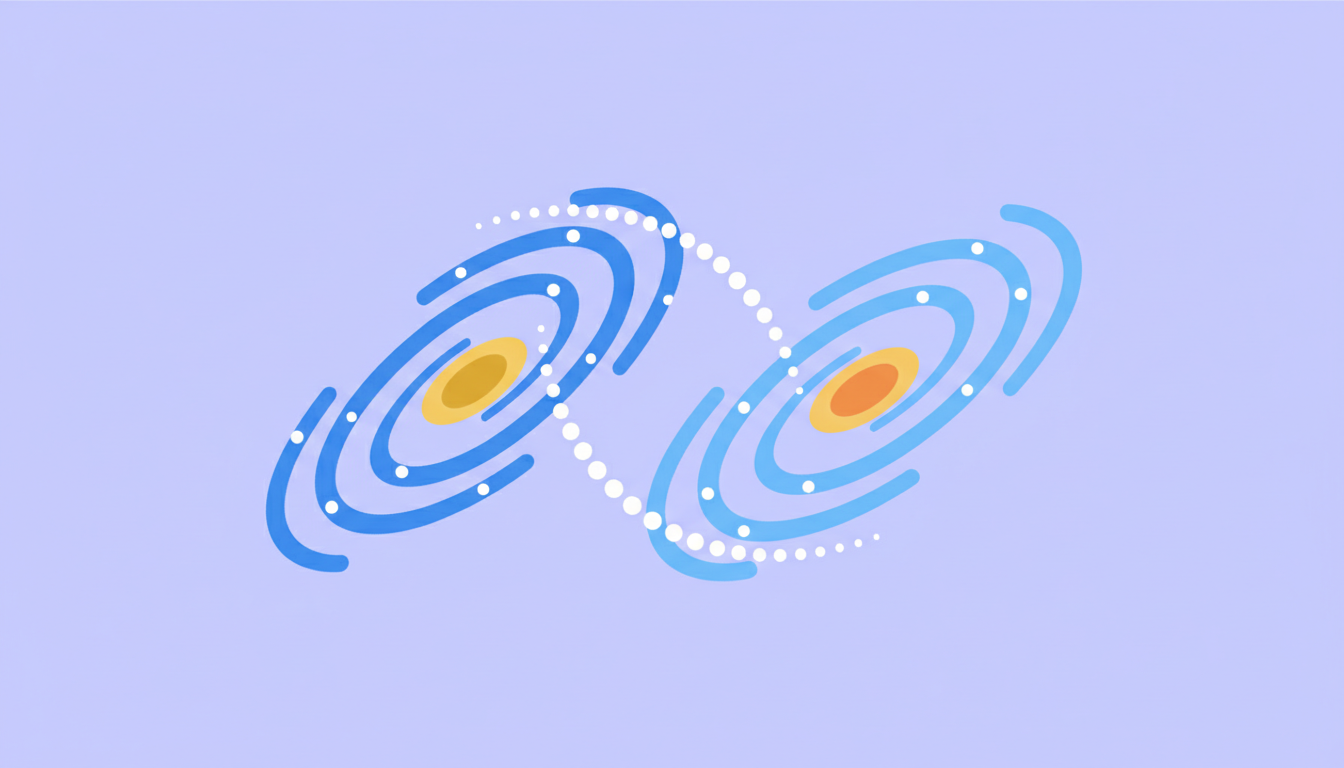
Watch two spiral galaxies collide and merge over hundreds of millions of years. Stars swirl into tidal tails before settling into a single elliptical galaxy.
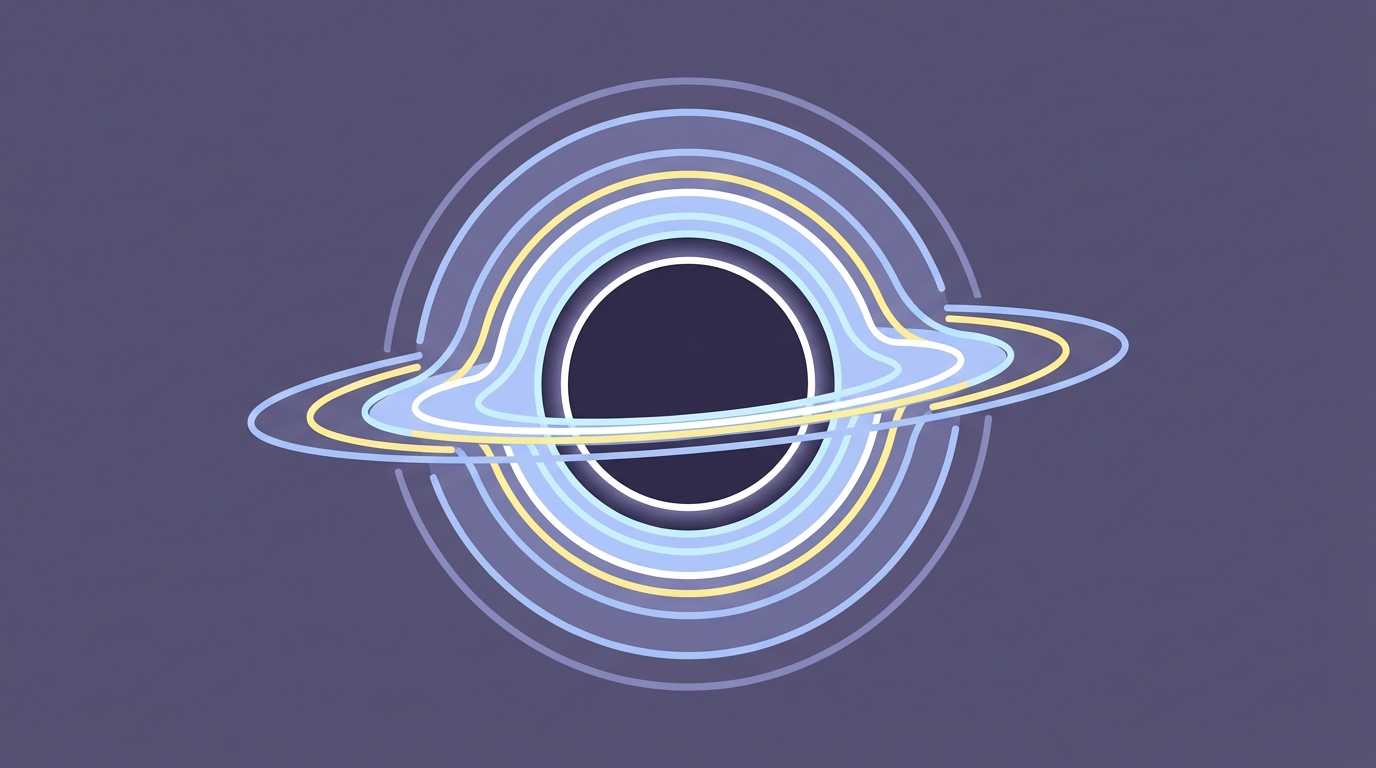
Watch light bend around a black hole, distorting the stars behind it while a glowing accretion disk warps dramatically due to extreme gravity.
Watch electrical charge build in storm clouds and discharge as branching bolts. Tap anywhere to call down lightning.
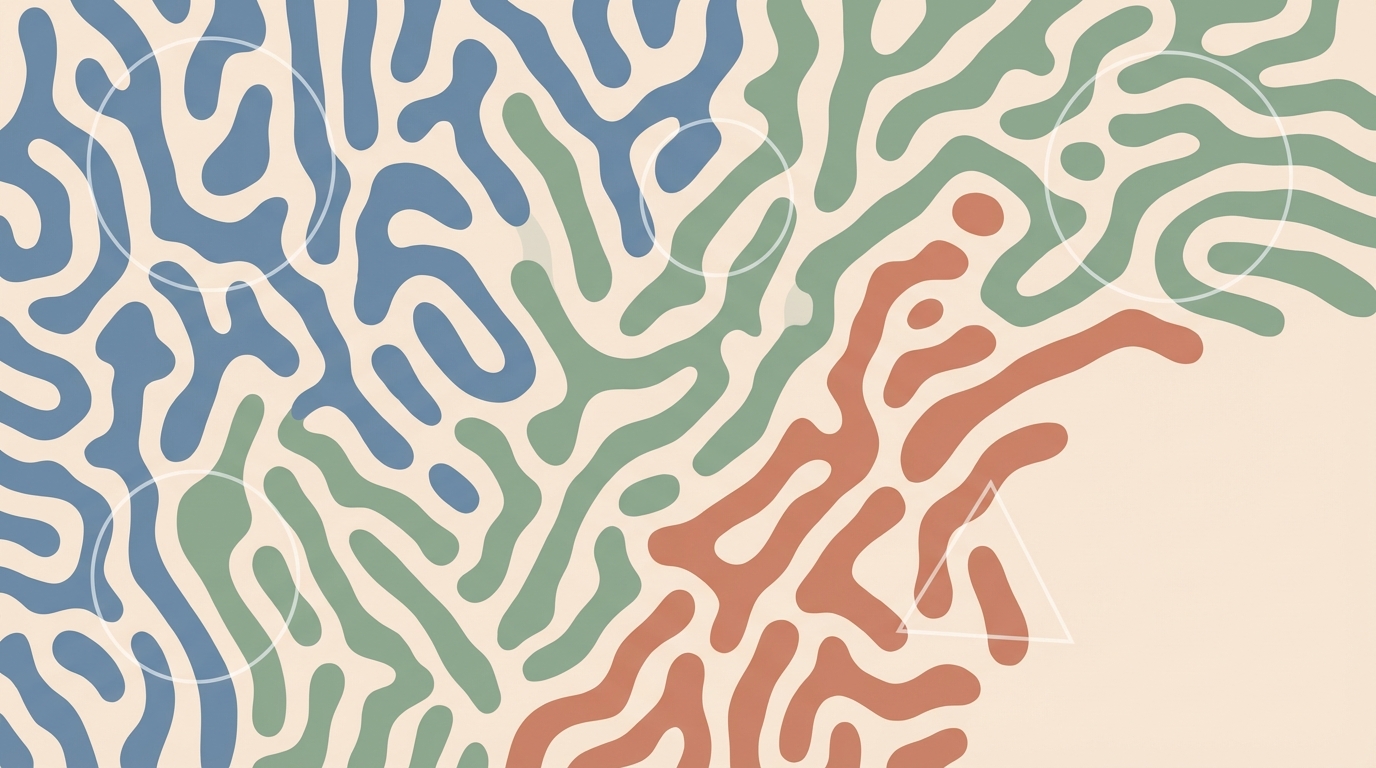
Watch organic Turing patterns emerge as two chemicals react and diffuse. These same equations explain zebra stripes, leopard spots, and seashell patterns.
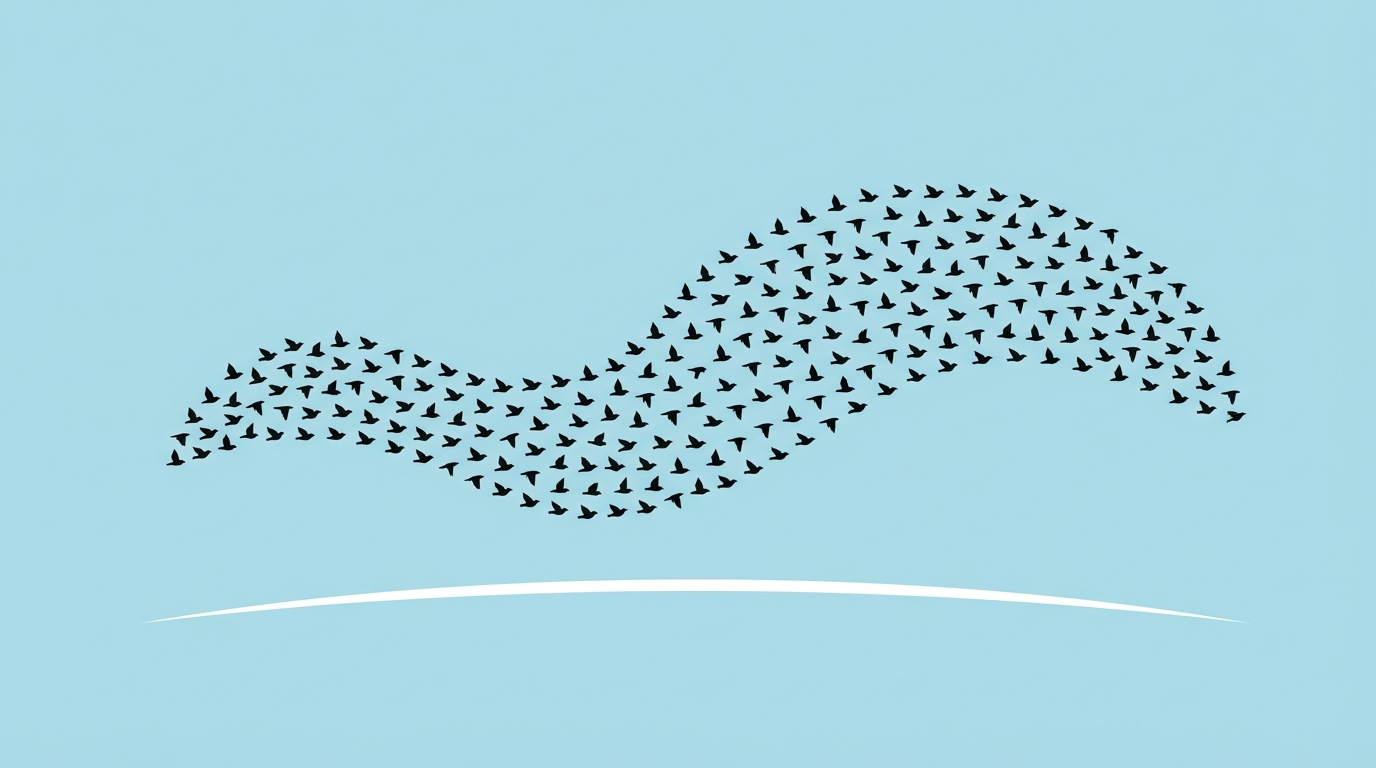
Watch birds form mesmerizing murmuration patterns using three simple rules: stay close, align direction, and avoid collisions.

Launch fireworks on different planets. See how gravity affects how high they soar and how fast particles fall.
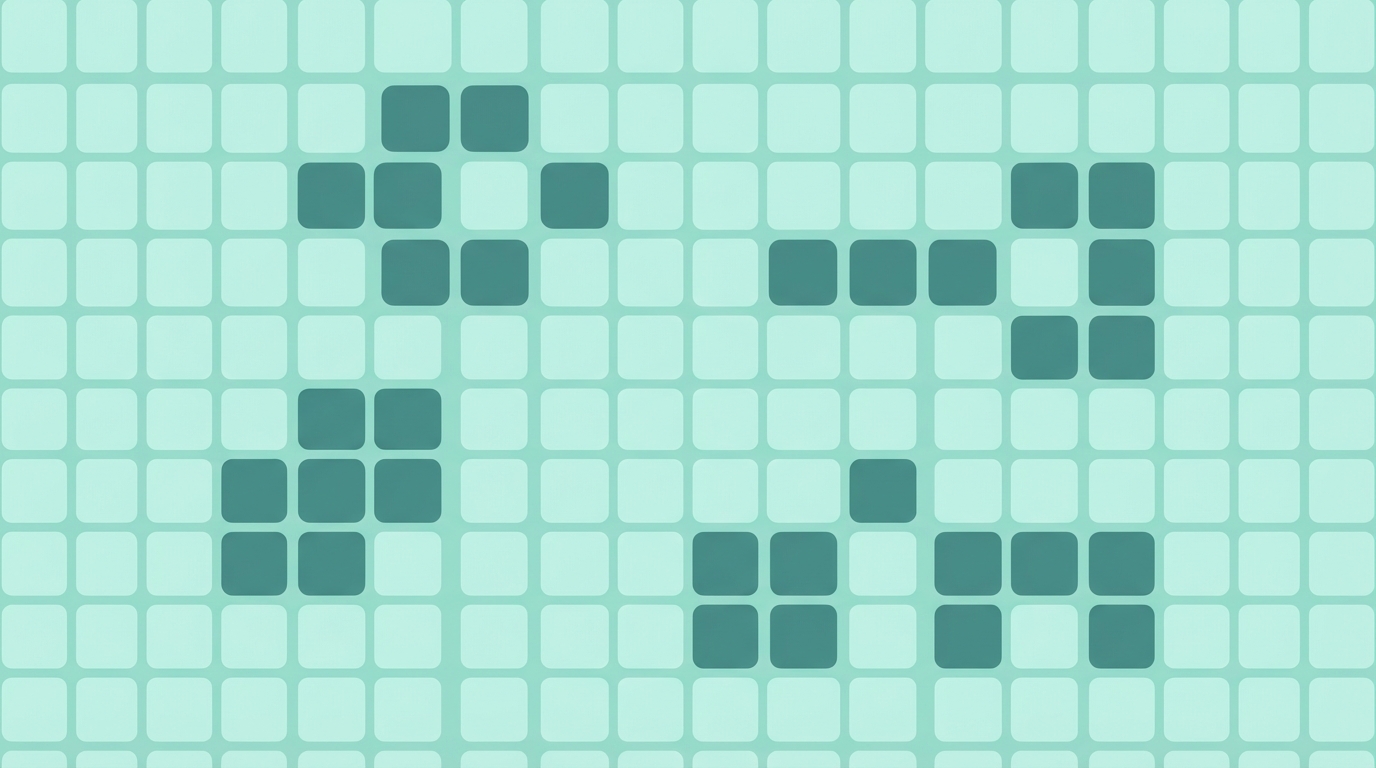
Explore emergence: how complex behavior arises from simple rules. Cells live or die based on their neighbors, creating self-organizing patterns like gliders and oscillators.
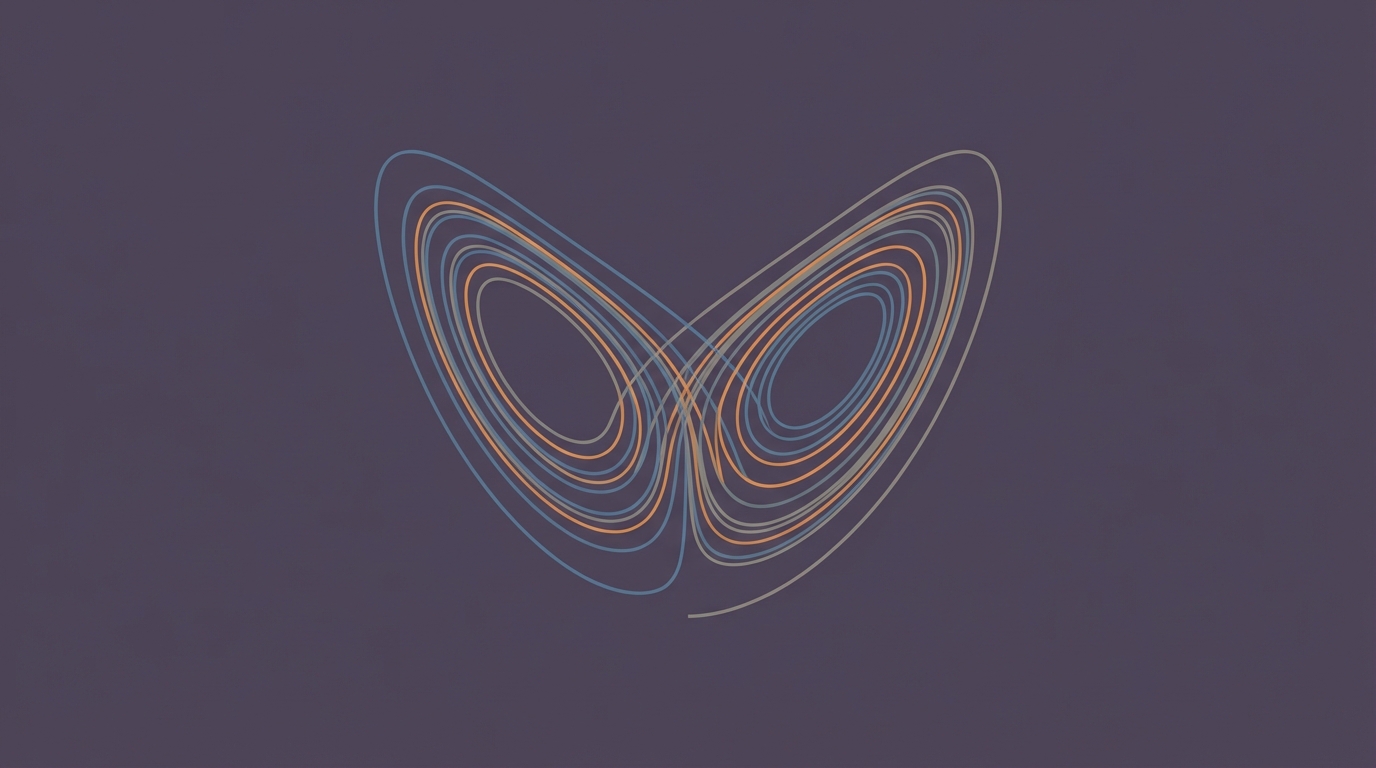
Watch particles trace the mesmerizing Lorenz attractor — a beautiful demonstration of chaos theory where tiny differences lead to wildly different paths.
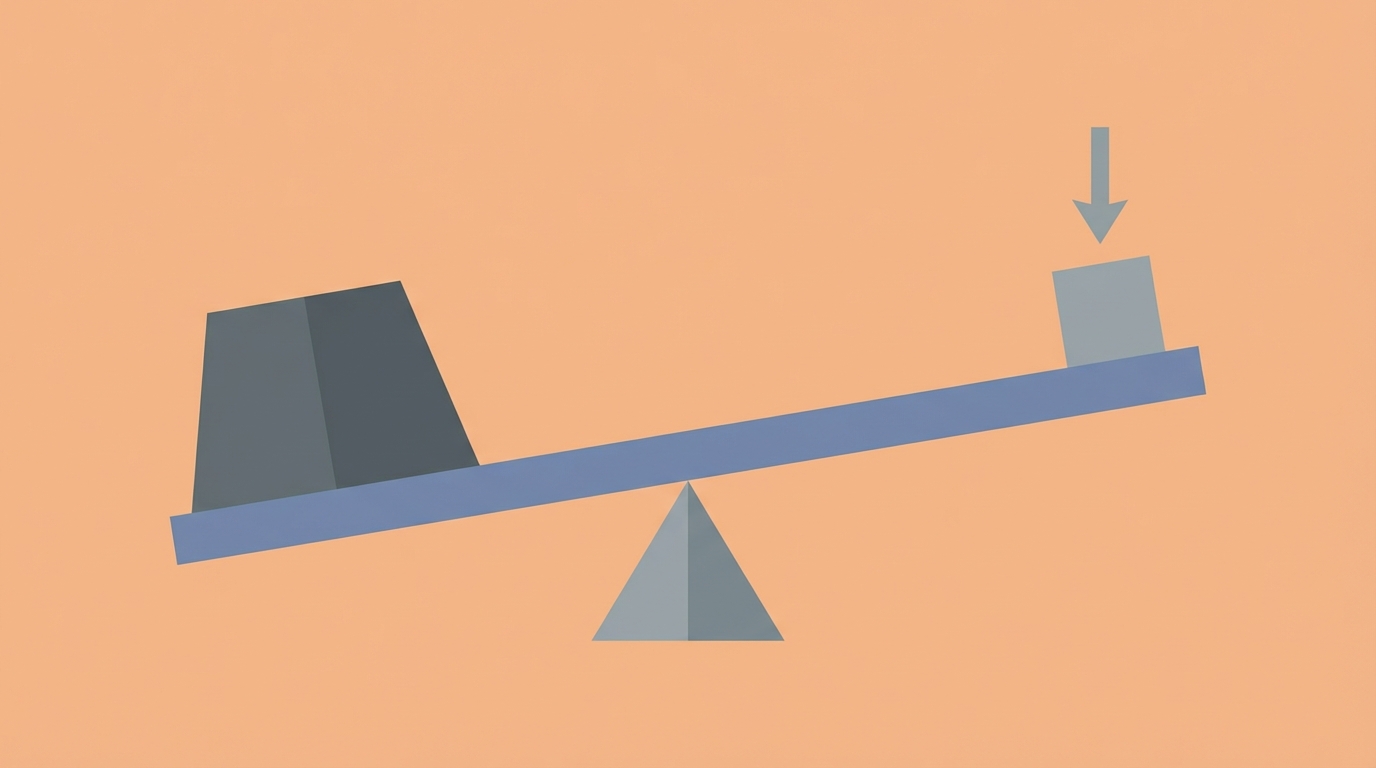
Balance a see-saw by dragging kids of different weights. Discover how distance from the fulcrum trades off with force.
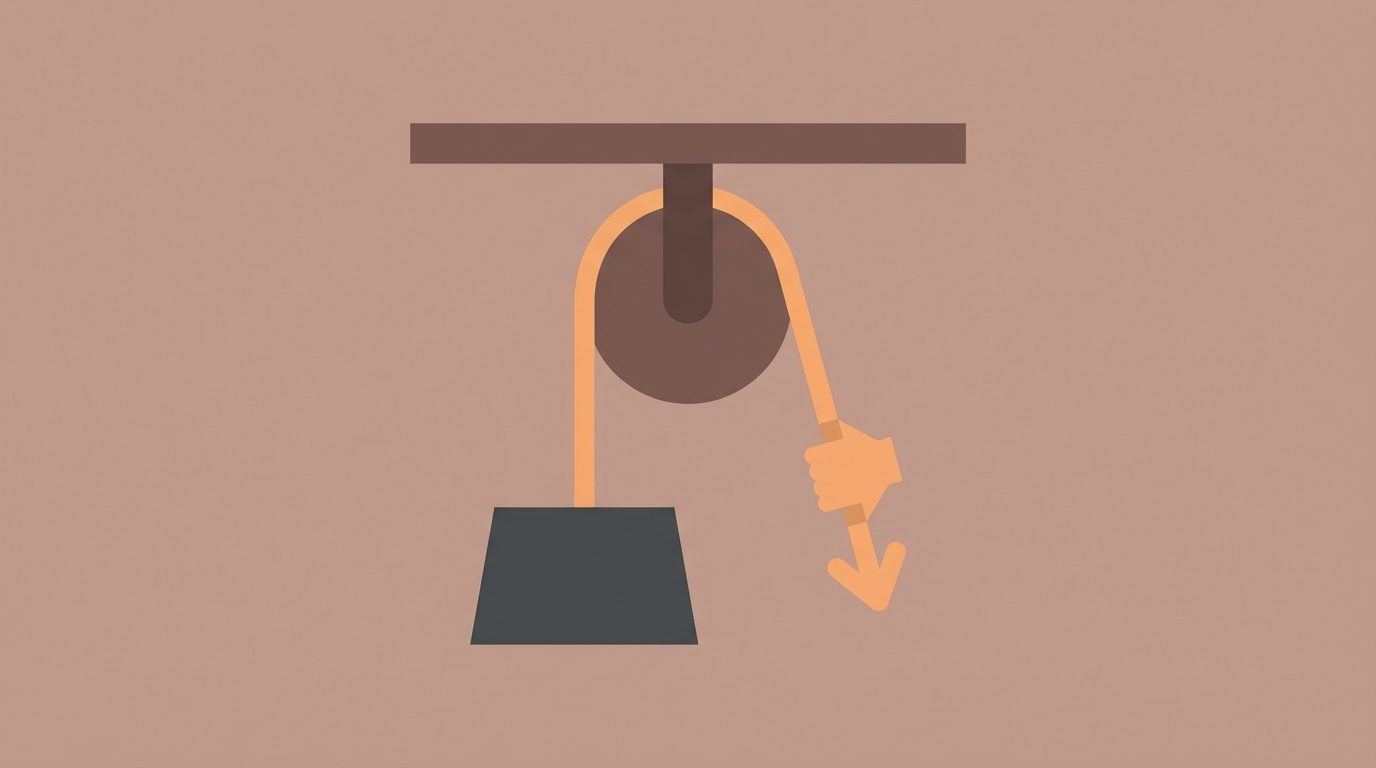
Discover how pulleys create mechanical advantage. Drag the rope to lift a heavy weight with less force - but more rope to pull!

See how light bends when passing from air into water, glass, or diamond. Drag the light source to change the angle.
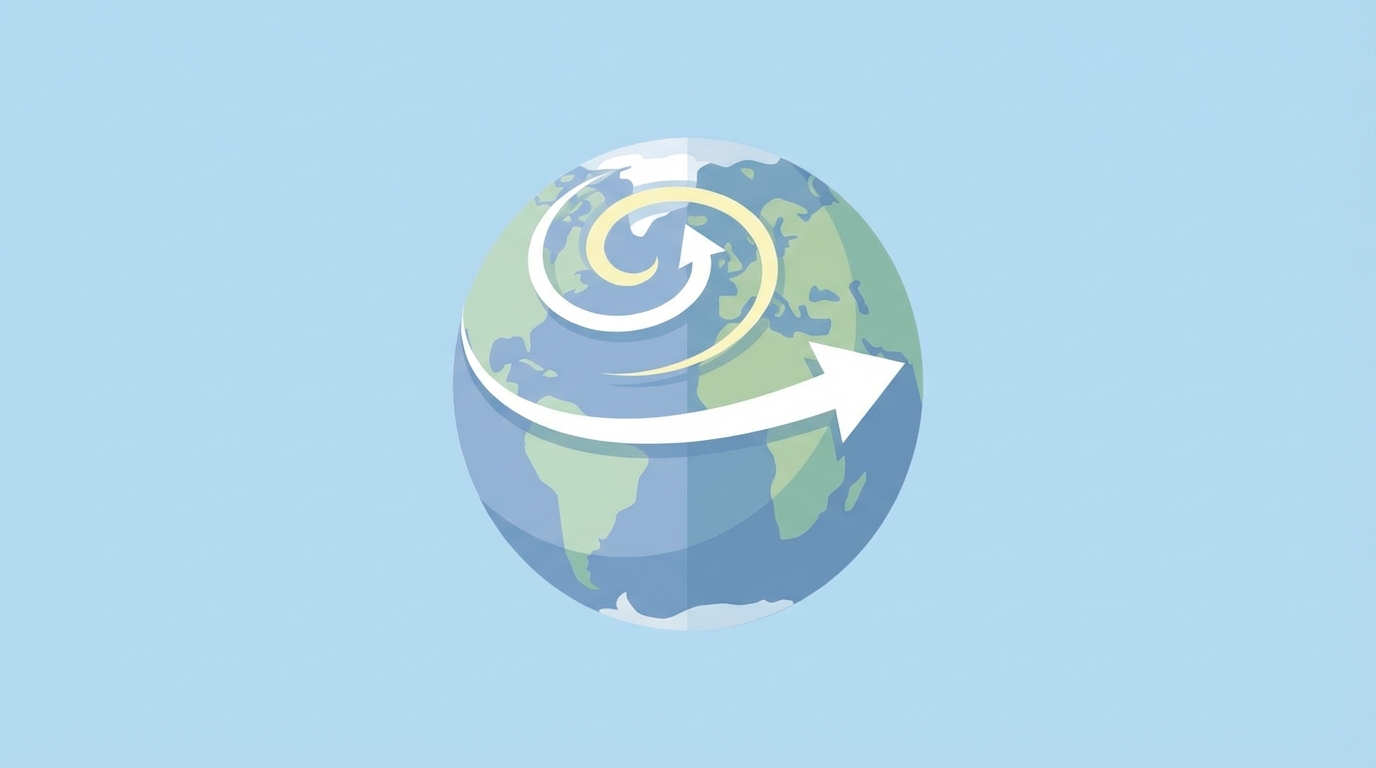
See how Earth's rotation makes moving objects appear to curve. Tap to launch balls and watch their paths deflect differently in each hemisphere.
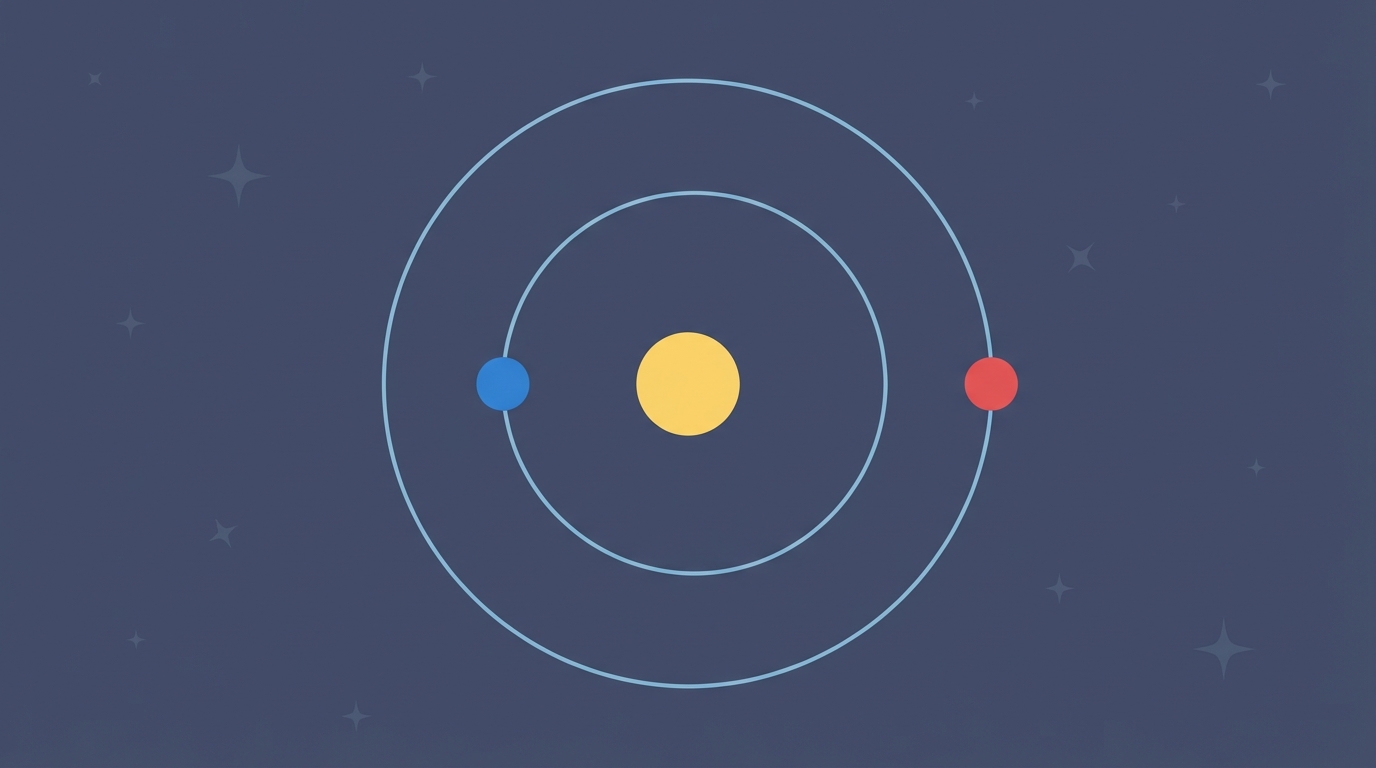
Watch Mars appear to move backward against the stars as Earth overtakes it on its faster inner orbit.
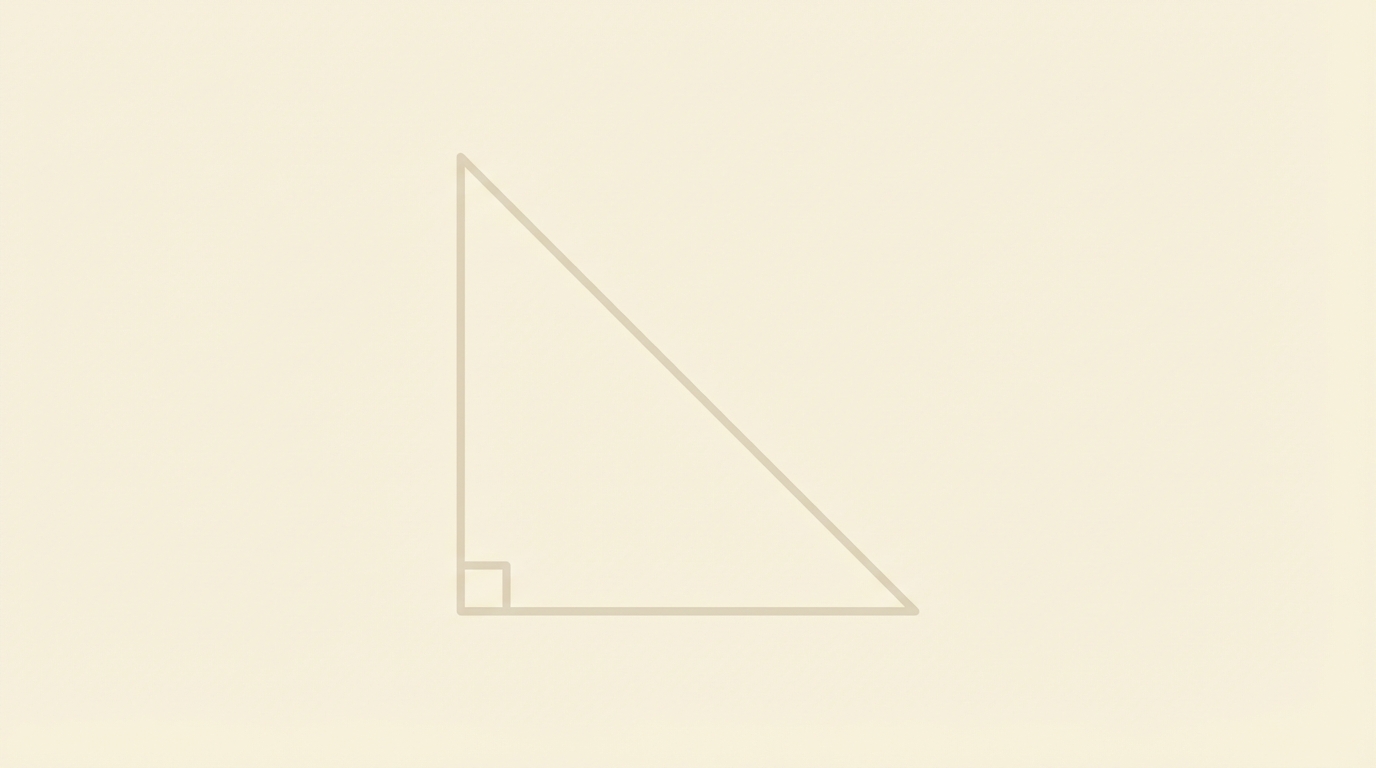
Drag the triangle corners to explore how a² + b² always equals c² in a right triangle.
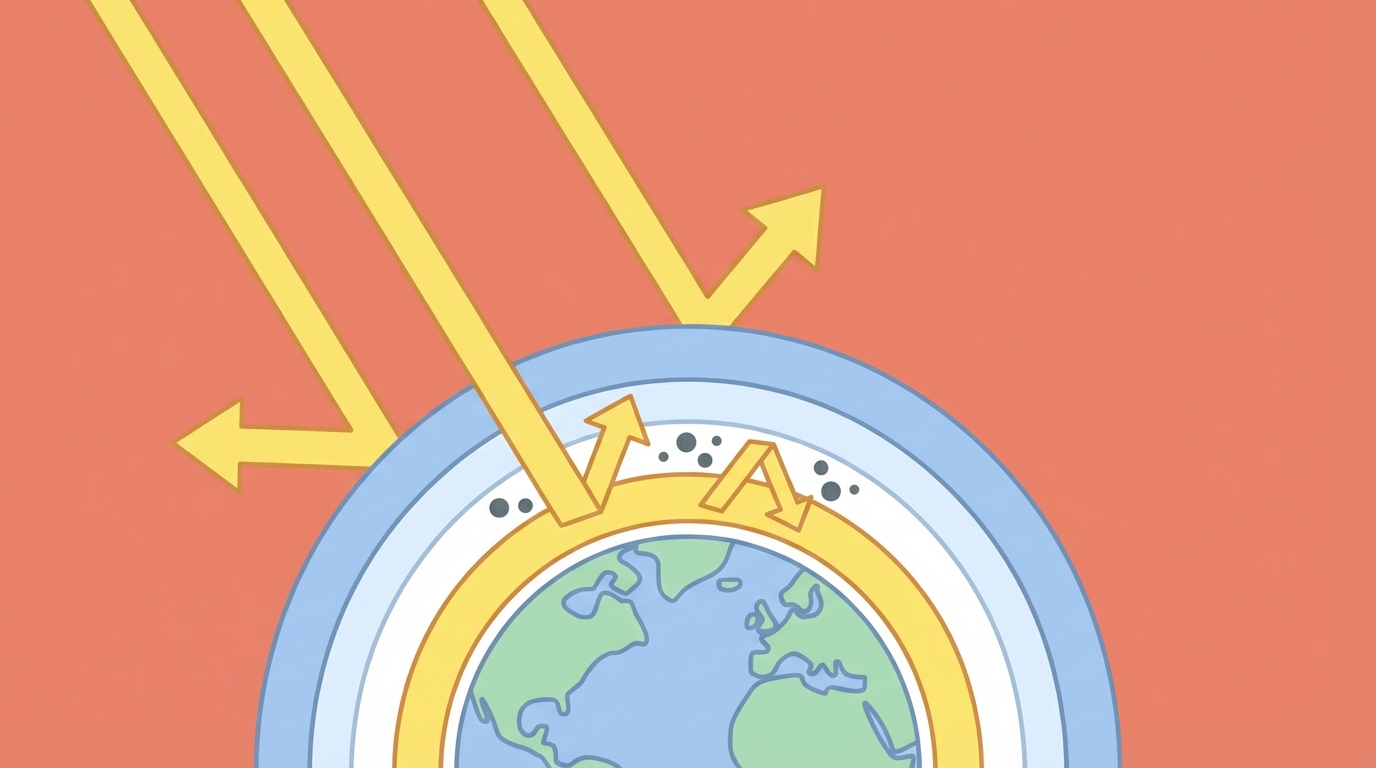
See how CO2 traps heat in Earth's atmosphere. Adjust CO2 levels and watch temperature rise as infrared radiation gets absorbed and re-emitted.
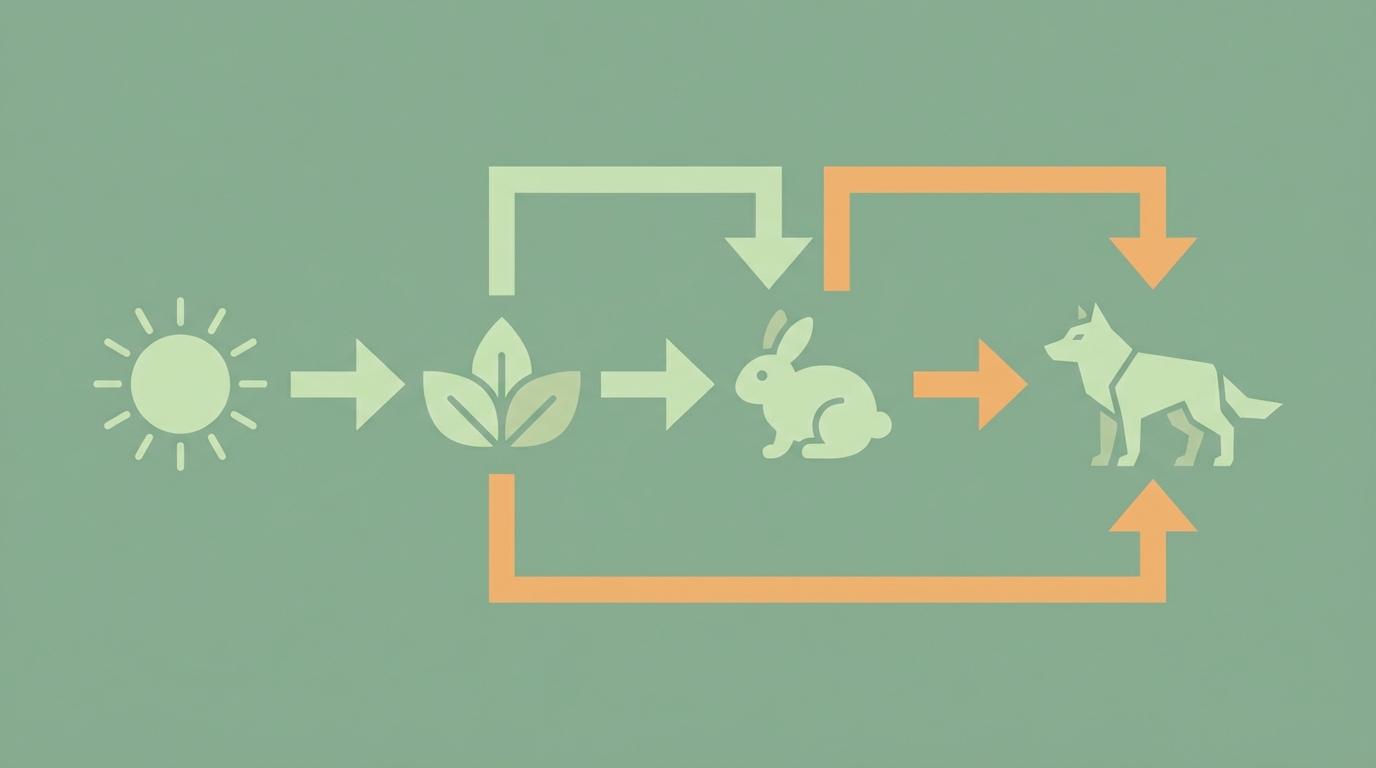
Remove a species from the ecosystem and watch the cascading effects ripple through the food web.
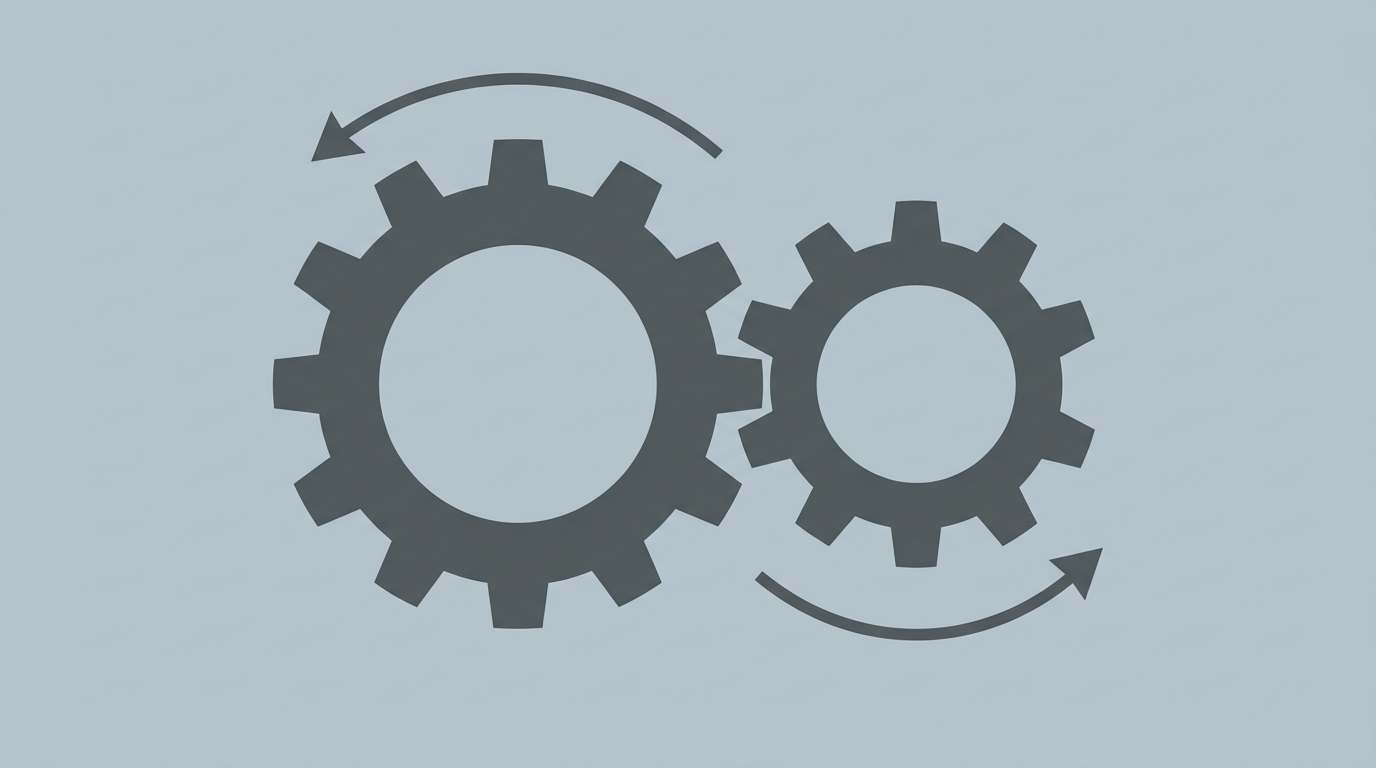
See how connected gears trade speed for torque. A smaller output gear spins faster but lifts less weight, while a larger output gear spins slower but lifts more.
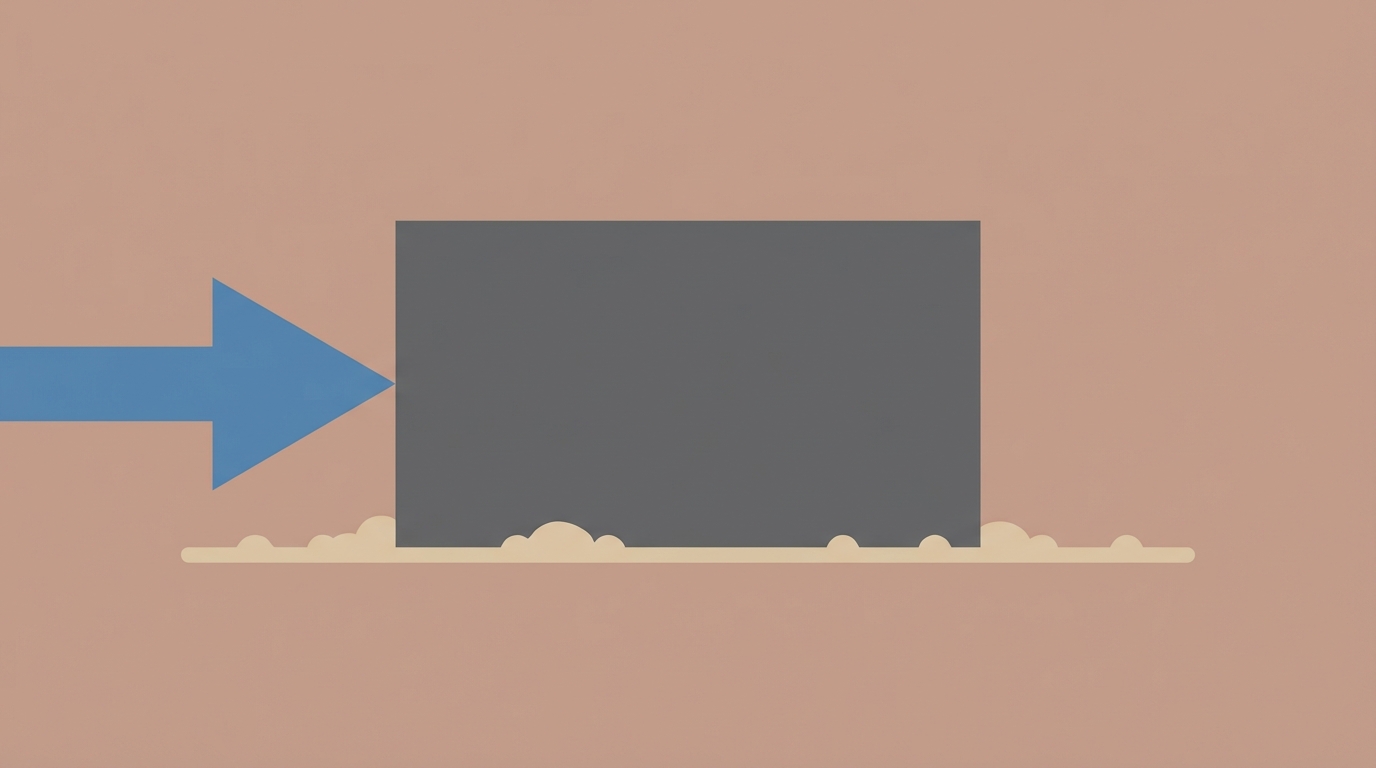
Compare how different surfaces affect stopping distance. Push blocks across ice, wood, rubber, and sandpaper to see friction in action.
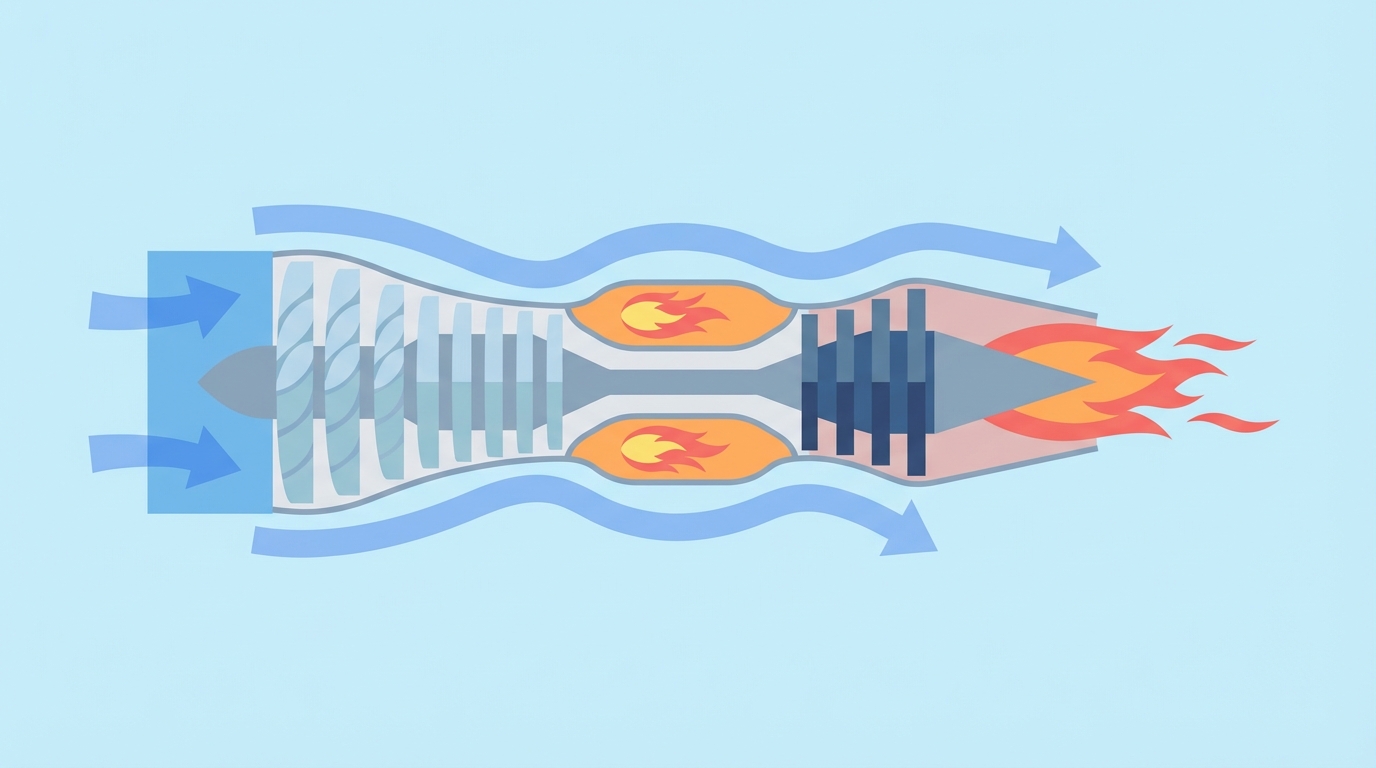
See how a jet engine works: air is compressed, fuel burns, and hot gas shoots out to create thrust.
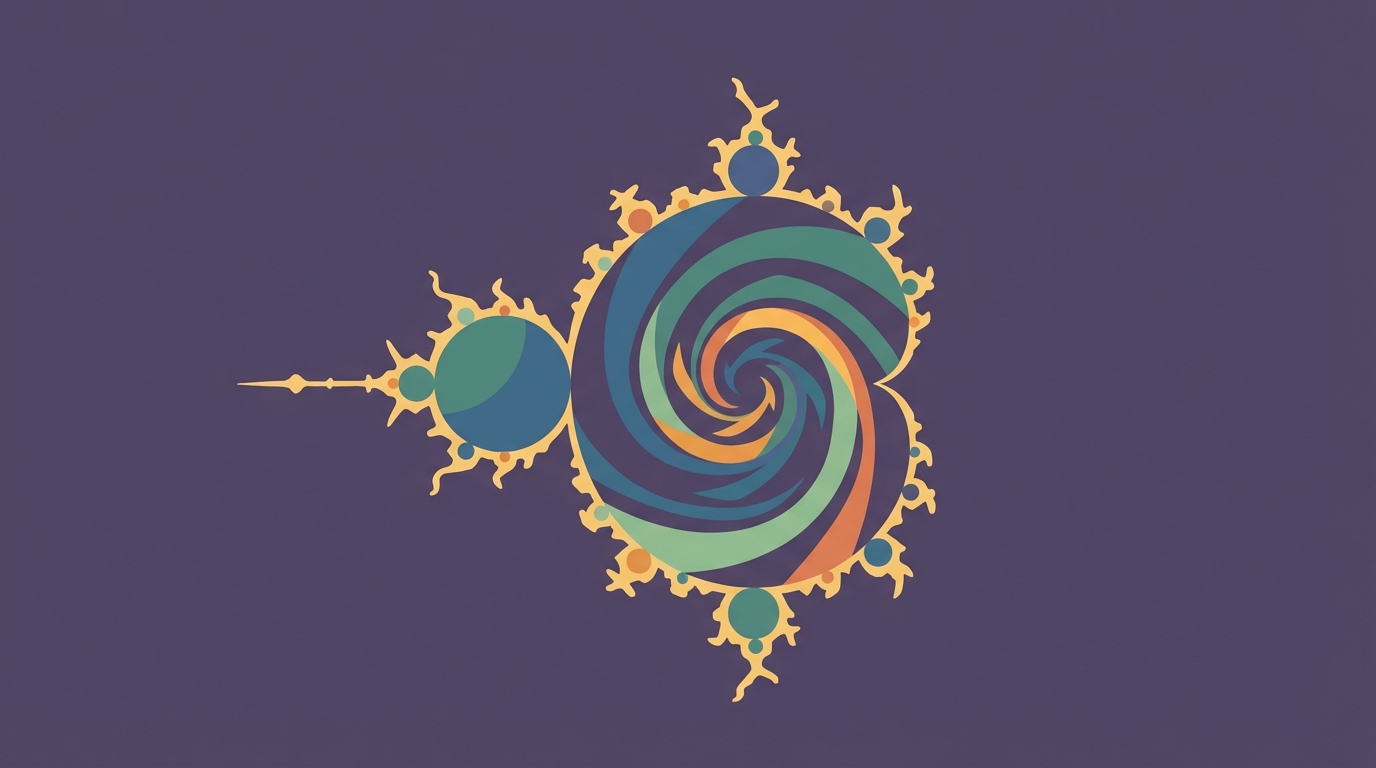
Zoom into the infinite complexity of the Mandelbrot and Julia sets. Discover how simple math creates endlessly intricate patterns.
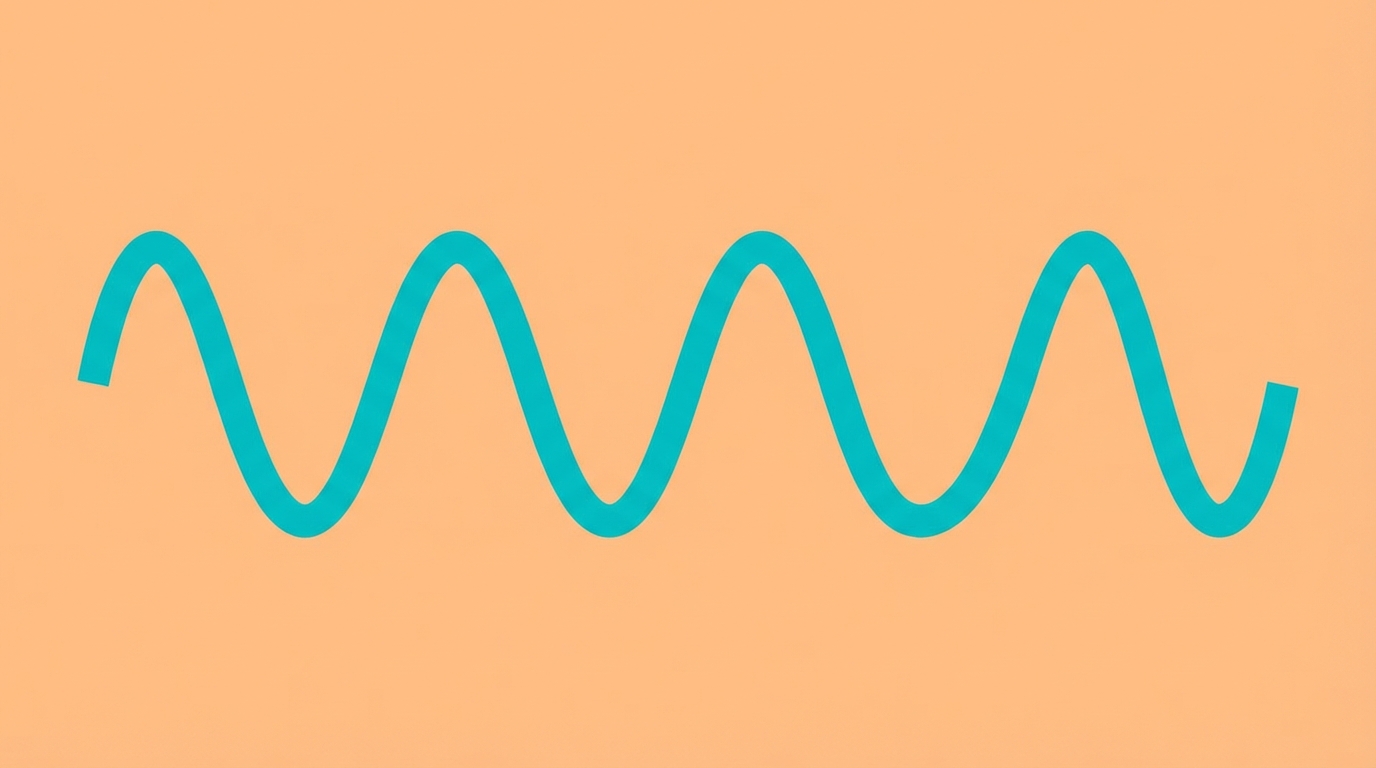
See how a spring, pendulum, and circular motion all produce the same sine wave pattern — revealing the mathematical unity behind oscillations.
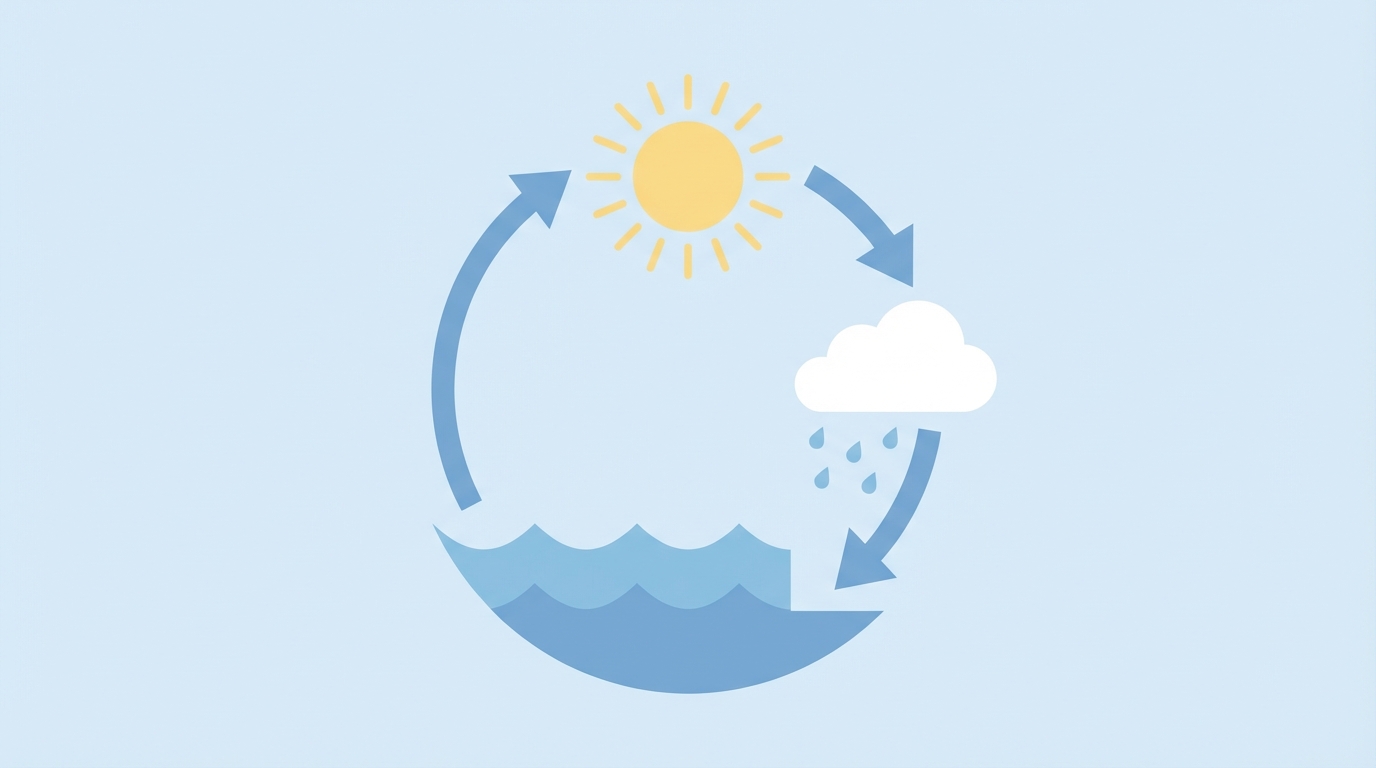
Drag the sun to control temperature and watch water evaporate, form clouds, and fall as rain in this interactive water cycle simulation.
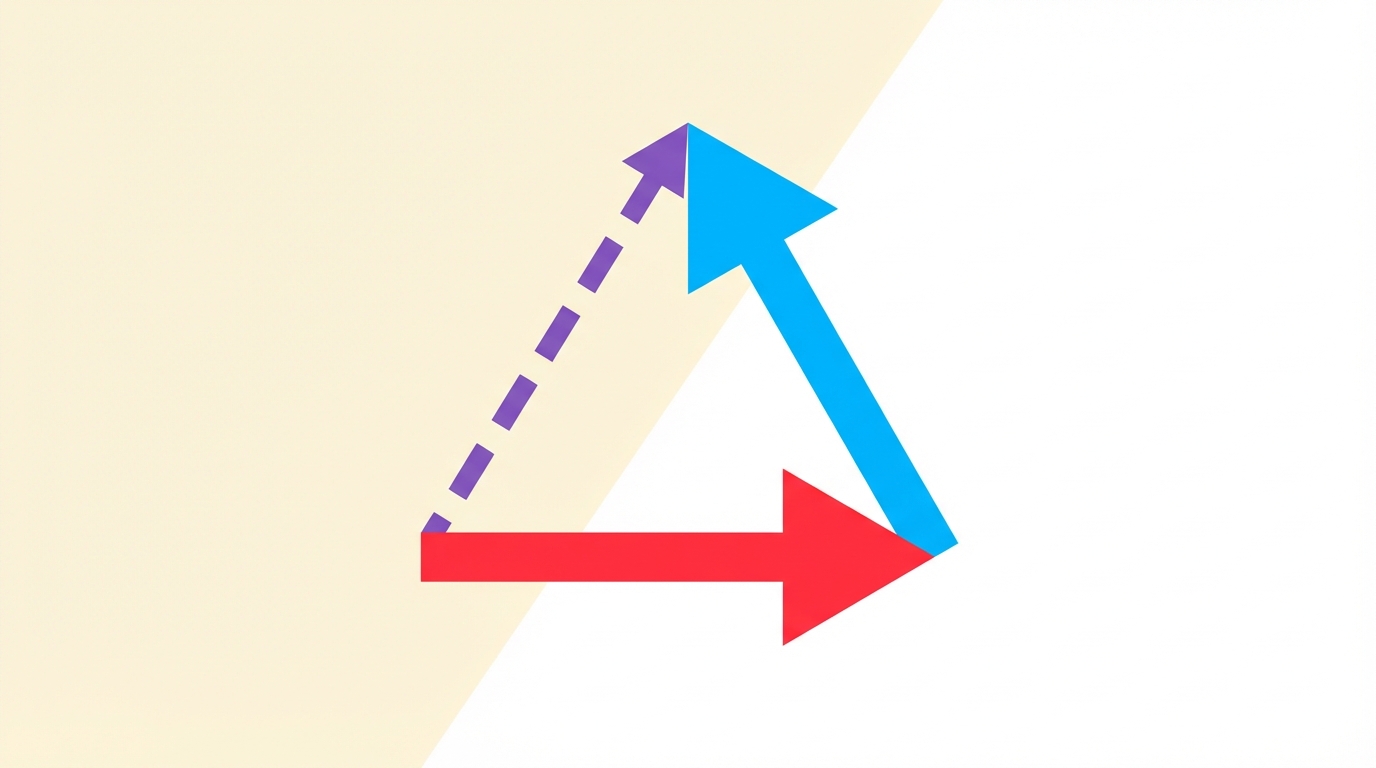
Drag vectors to see how they add tip-to-tail. Explore perpendicular, opposite, and parallel cases.
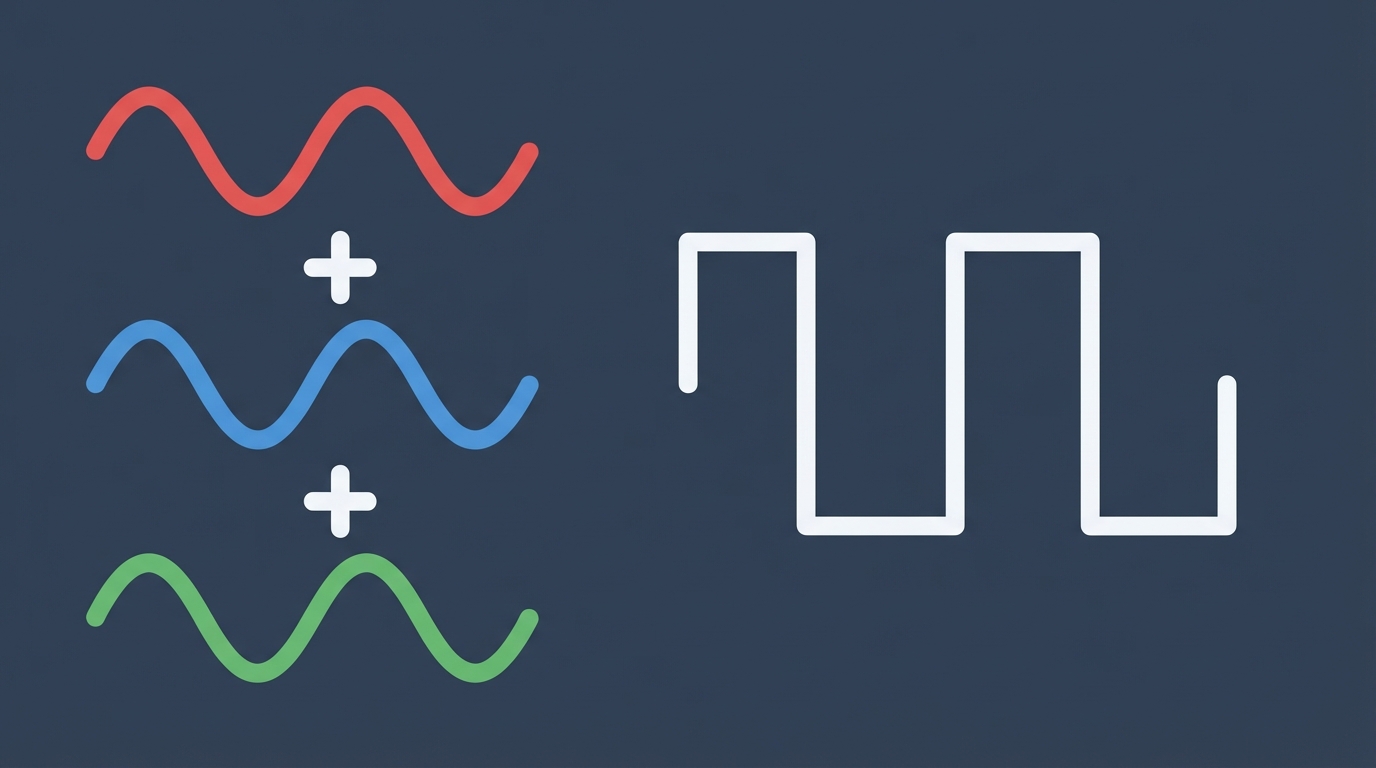
Build any waveform by stacking sine waves. See how square, triangle, and sawtooth waves are made from simple harmonics.
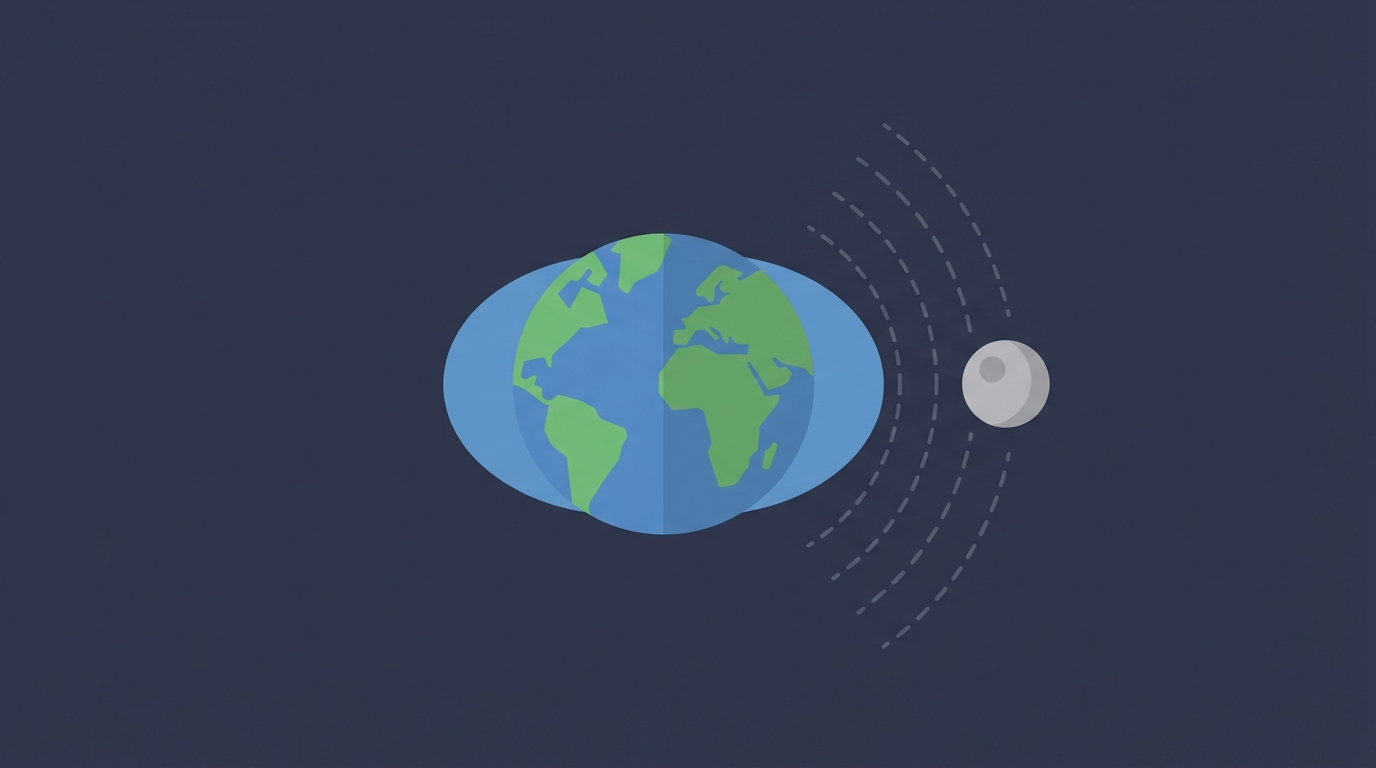
Drag the Moon around Earth to see how its gravity creates tidal bulges. Watch your location experience high and low tides as Earth rotates.
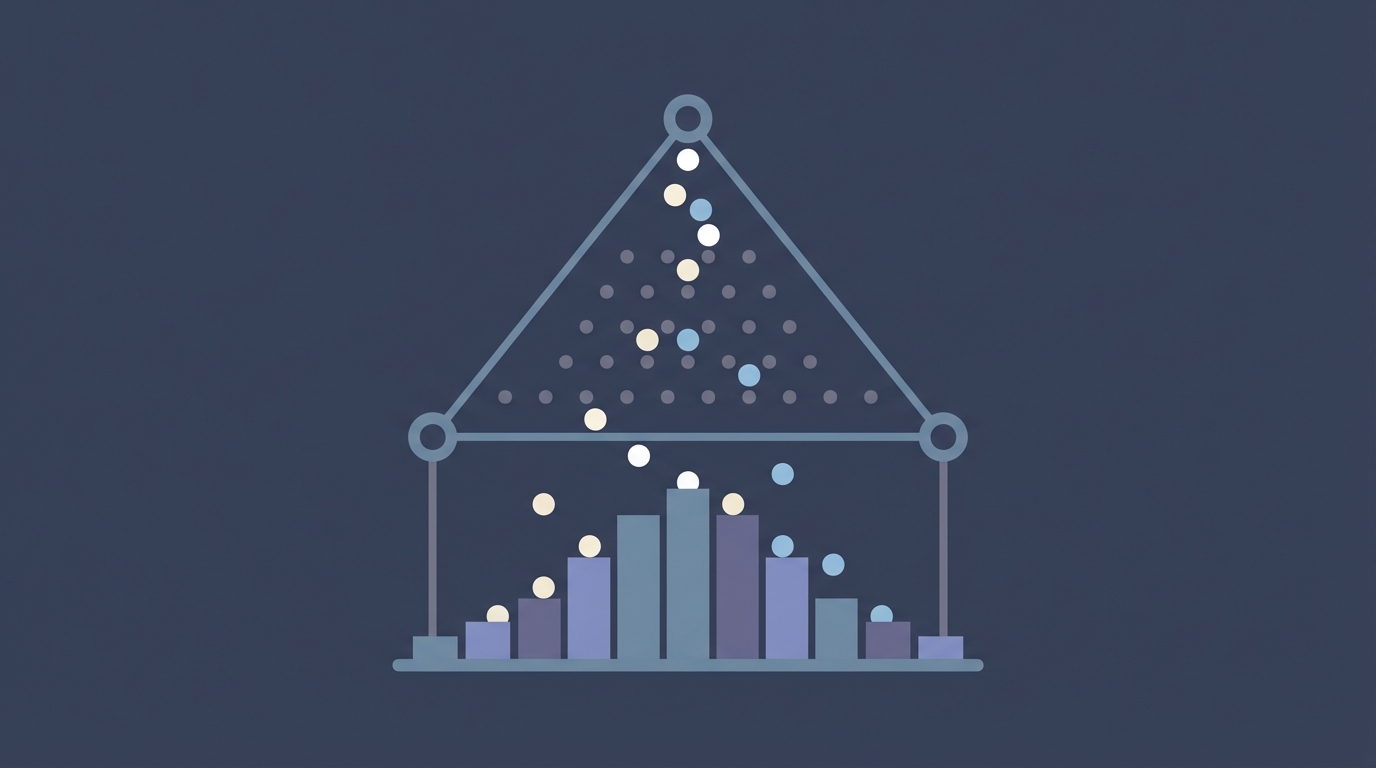
Drop balls through a grid of pegs and watch them form a bell curve, demonstrating how random events create a normal distribution.

Watch how an ambulance siren sounds higher as it approaches and lower as it drives away. Tap to move your listening position.

Explore why objects float or sink by dragging them into water and comparing their density to water's density.
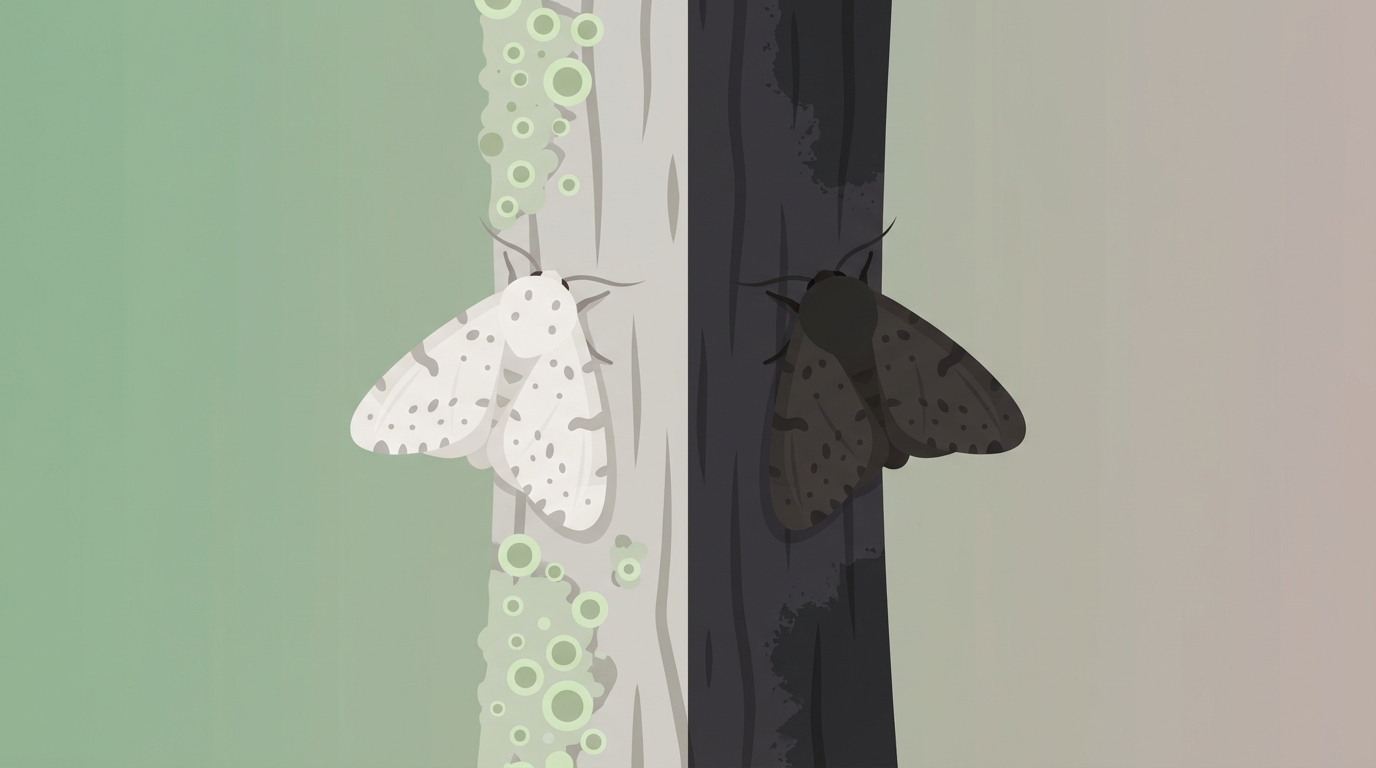
Watch evolution in action with the peppered moth example. Toggle pollution to change the environment and observe how moth populations adapt over generations.
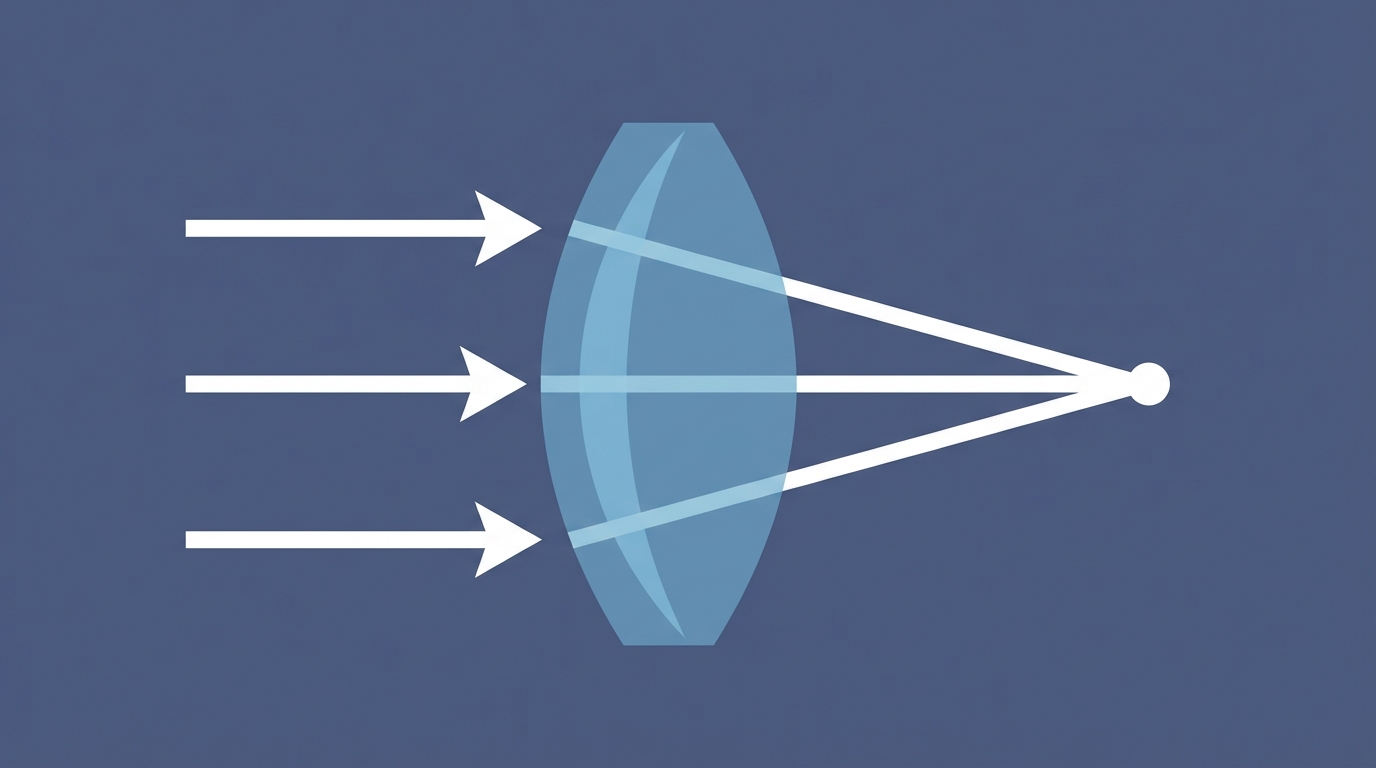
Explore how lenses and mirrors form images. Drag an object to see ray tracing in action and understand real vs virtual images.

Launch balls of different masses and observe elastic vs inelastic collisions. See how momentum is always conserved while kinetic energy is only conserved in elastic collisions.
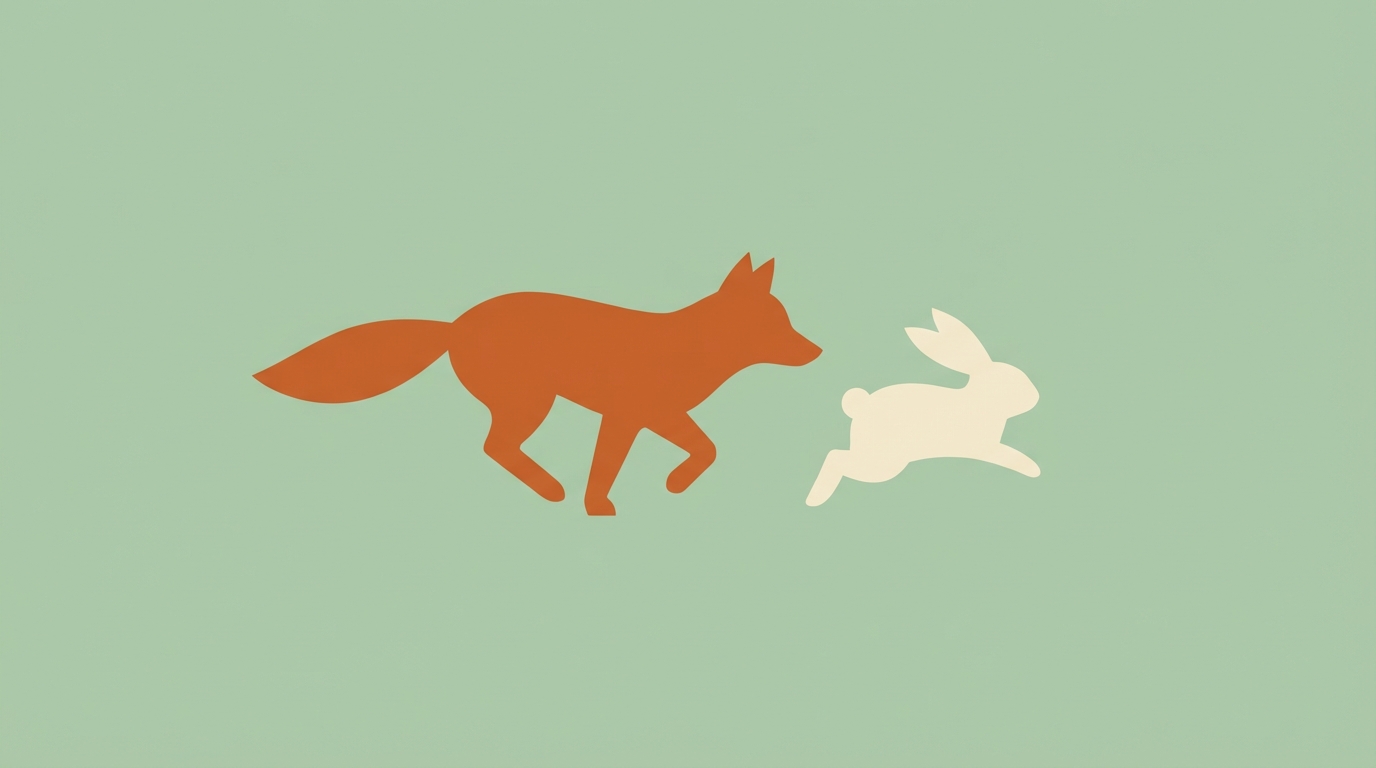
Watch population boom-bust cycles emerge as foxes hunt rabbits. Adjust birth and death rates to see how ecosystems find balance.
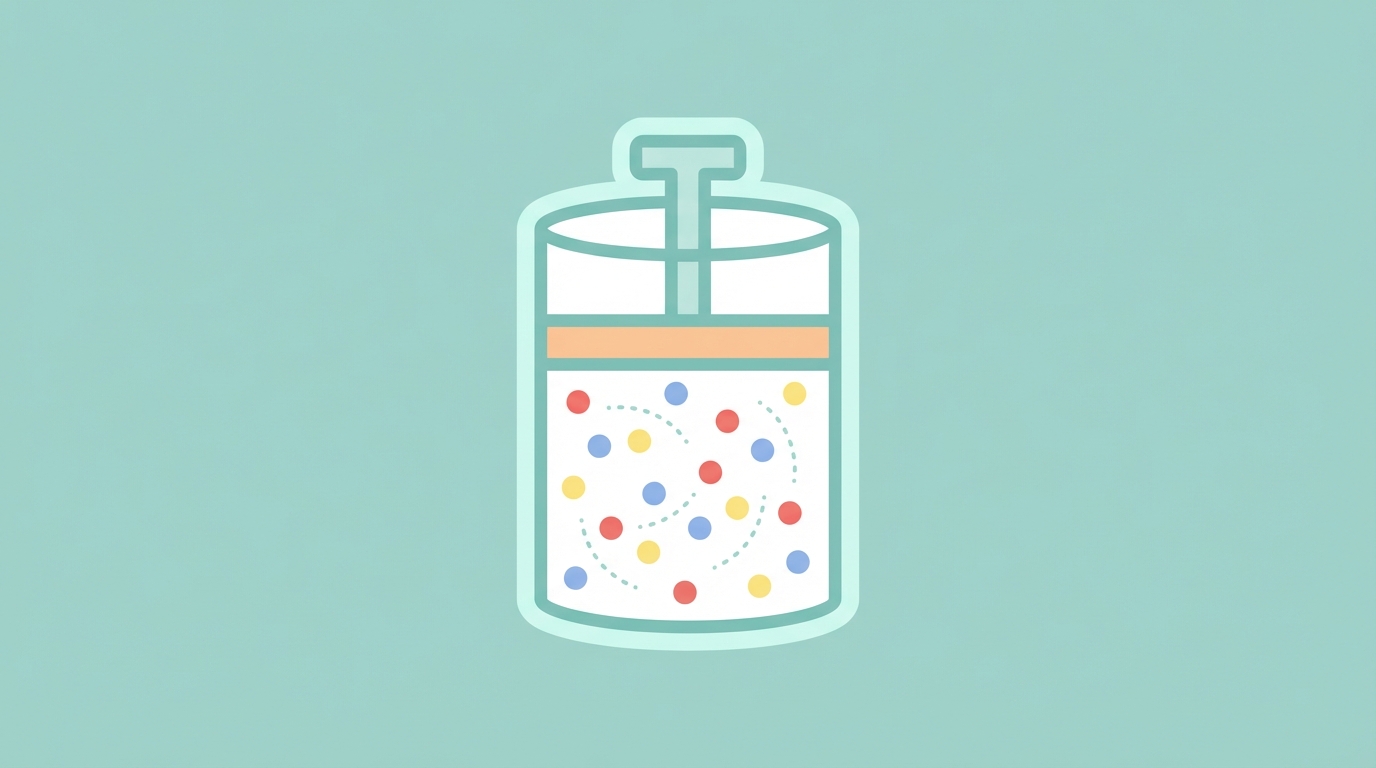
Explore how pressure, volume, and temperature relate in a gas. Adjust the piston and temperature to watch particle behavior change.
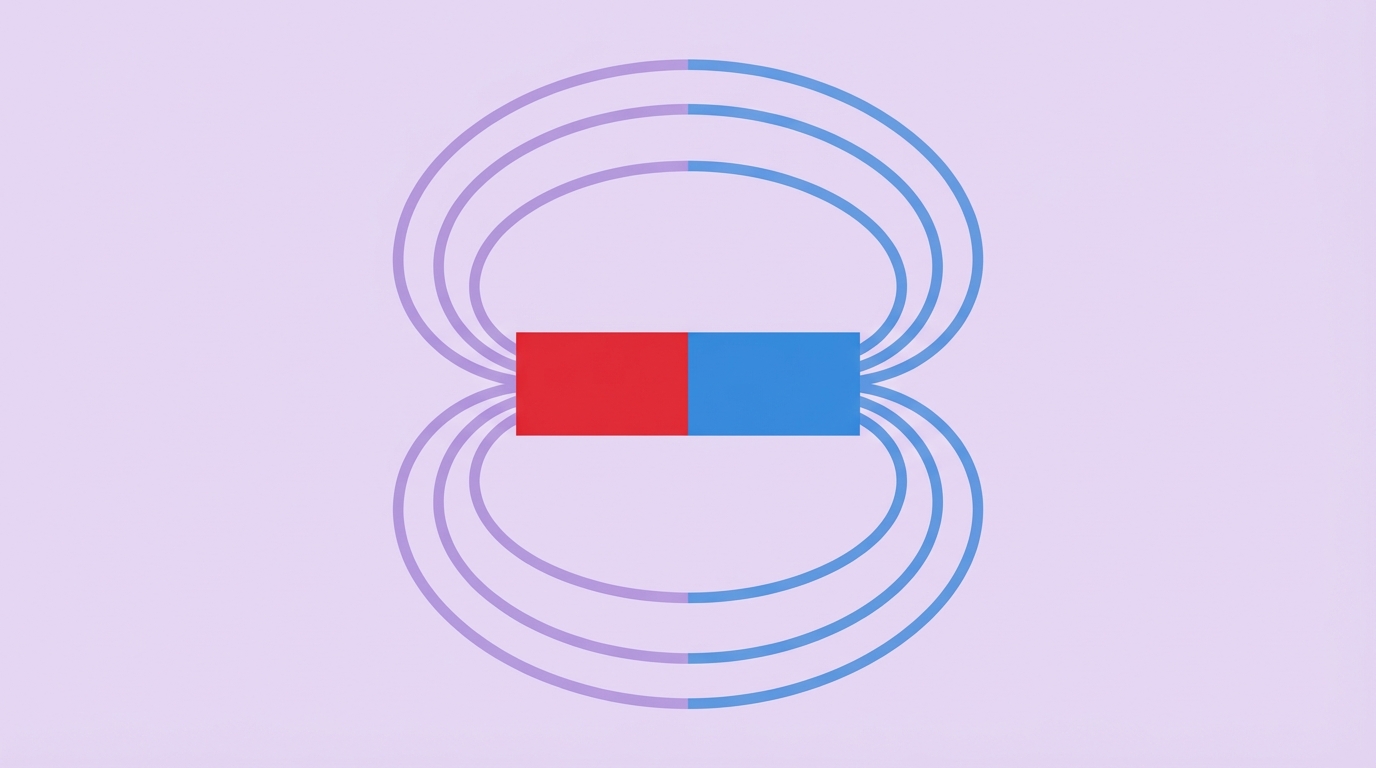
Place bar magnets and current-carrying wires to visualize magnetic field lines using compass needles that align in real-time.
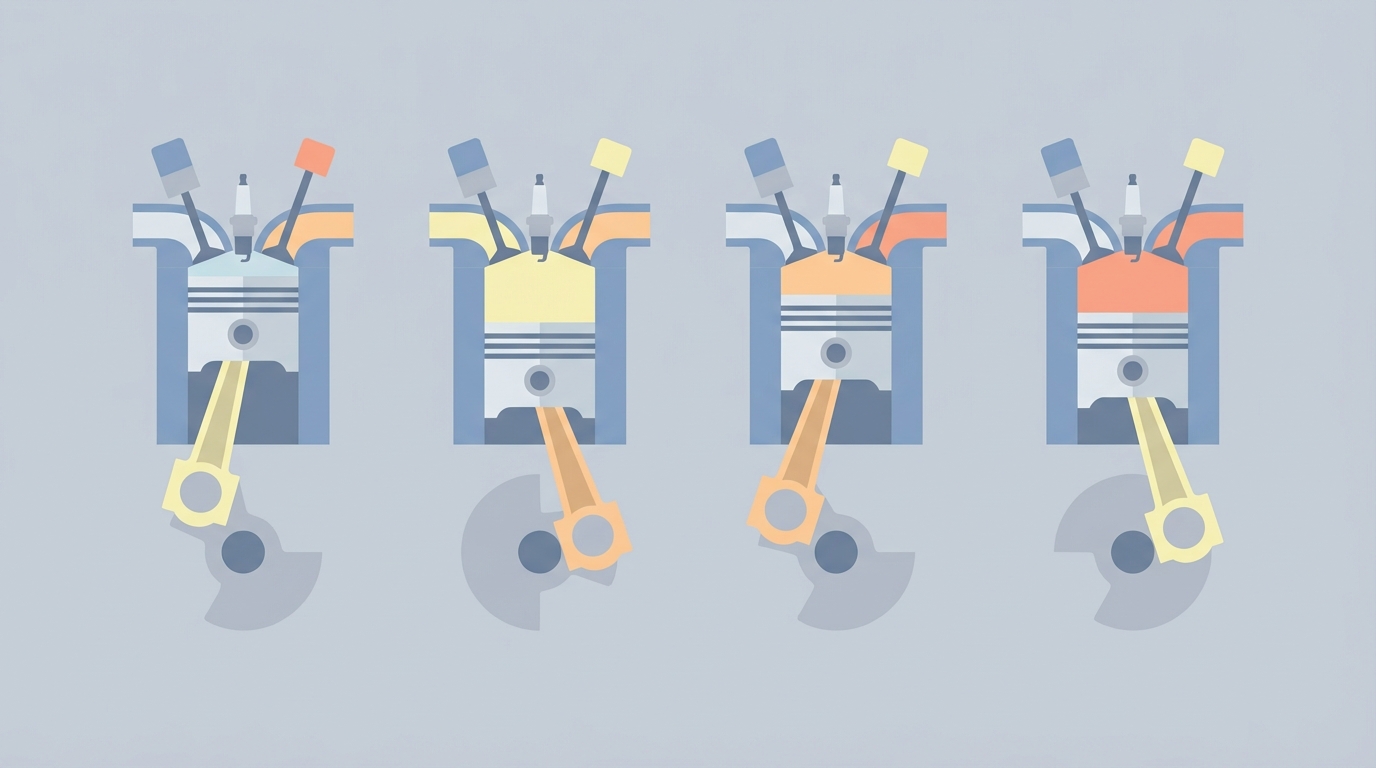
Watch the inner workings of a piston engine through its four-stroke cycle: intake, compression, power, and exhaust.
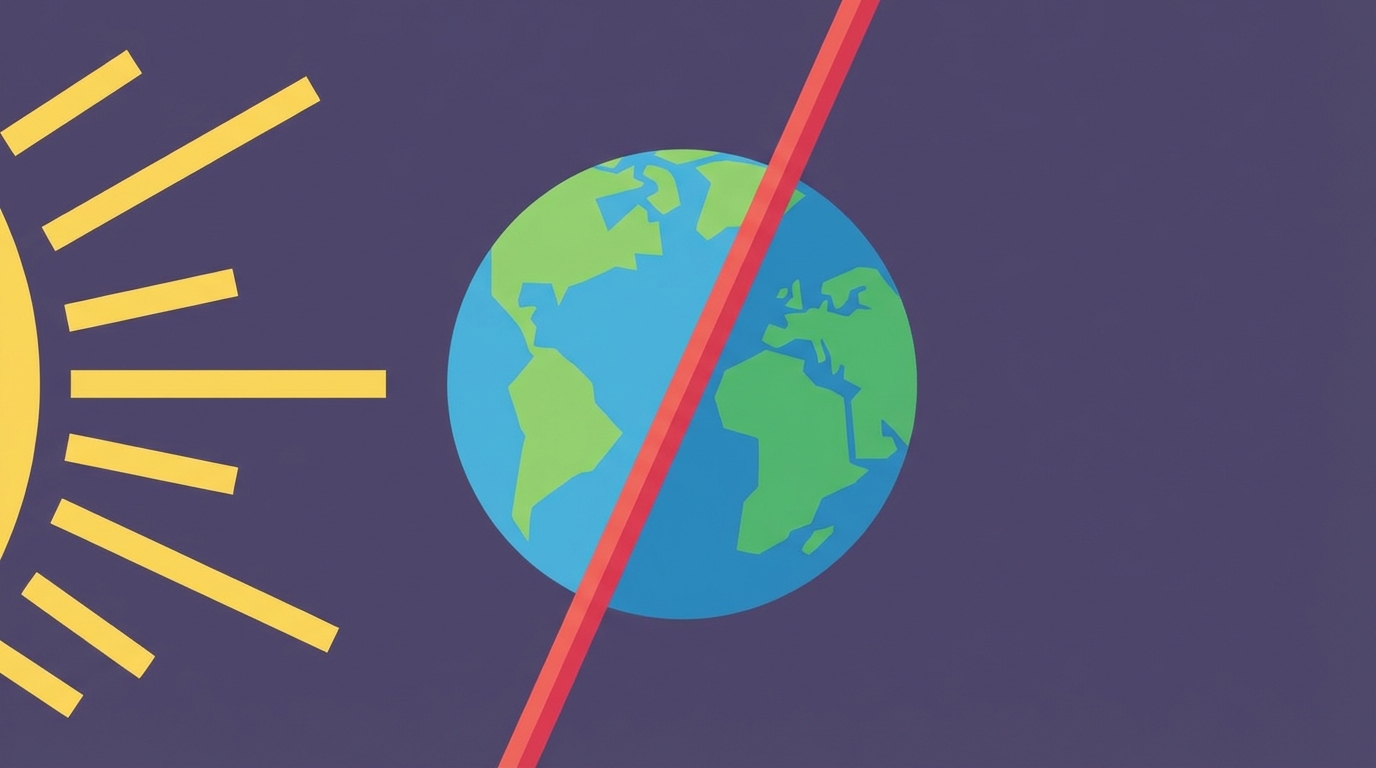
Discover why we have seasons by exploring Earth's axial tilt and orbit around the Sun. See how sunlight angle changes throughout the year.
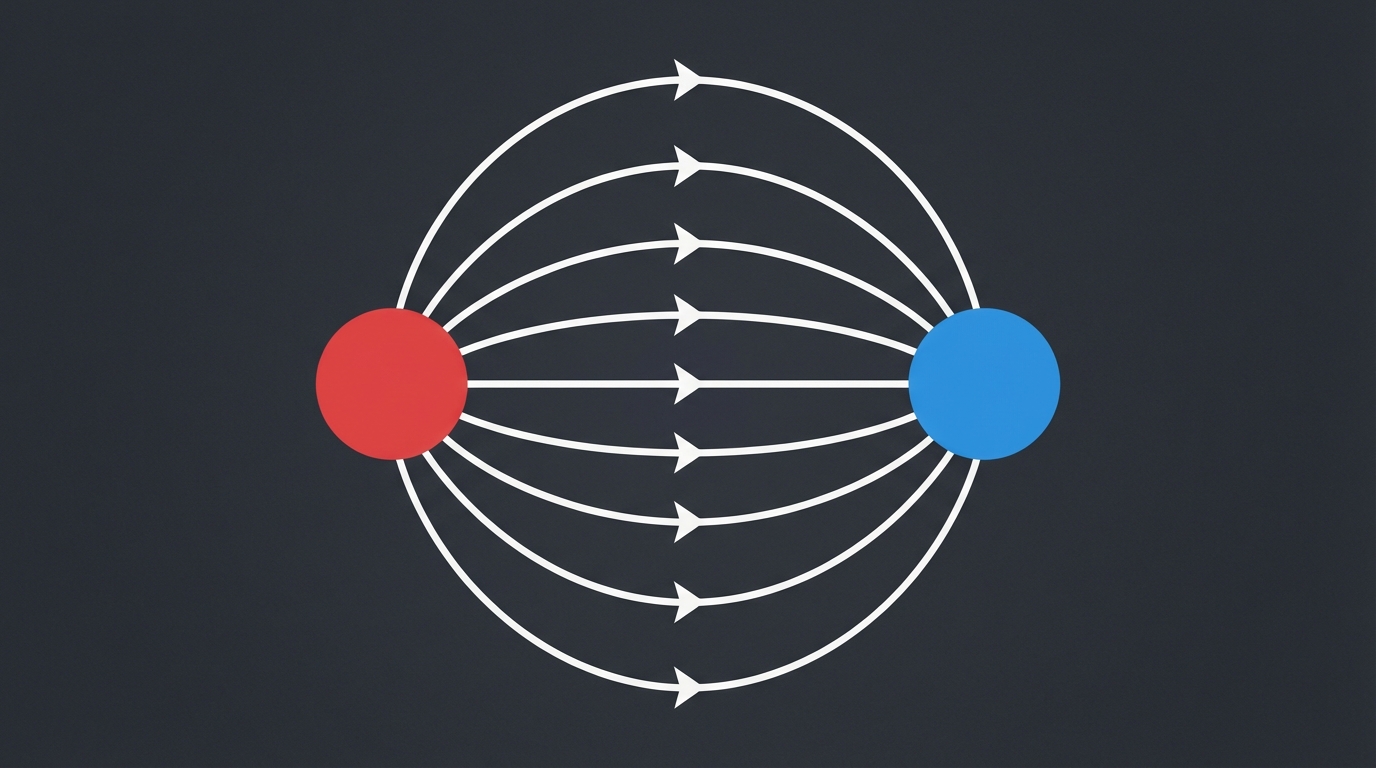
Place positive and negative charges to see the invisible force field between them. Drag to move, double-tap to remove.
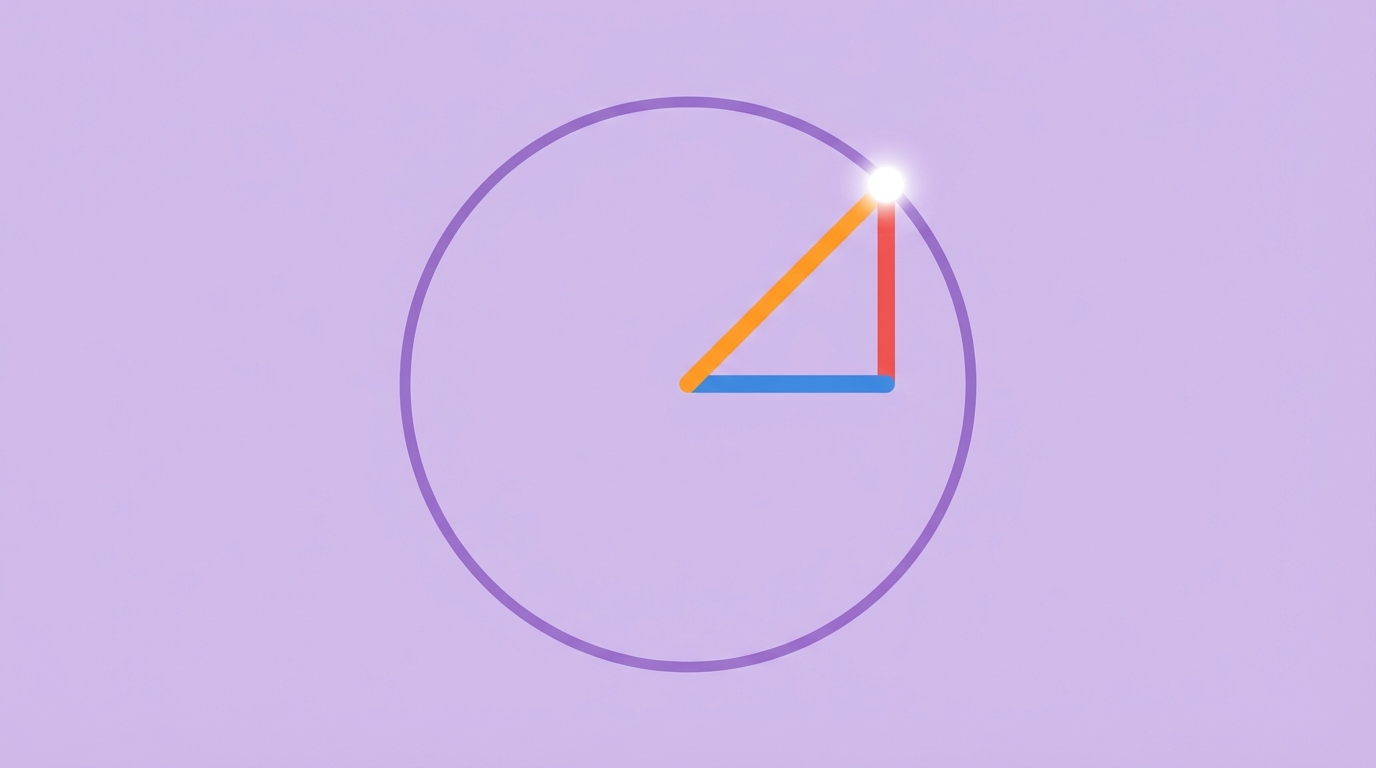
Explore the unit circle by dragging a point around it and watch sine, cosine, and tangent values update in real-time.
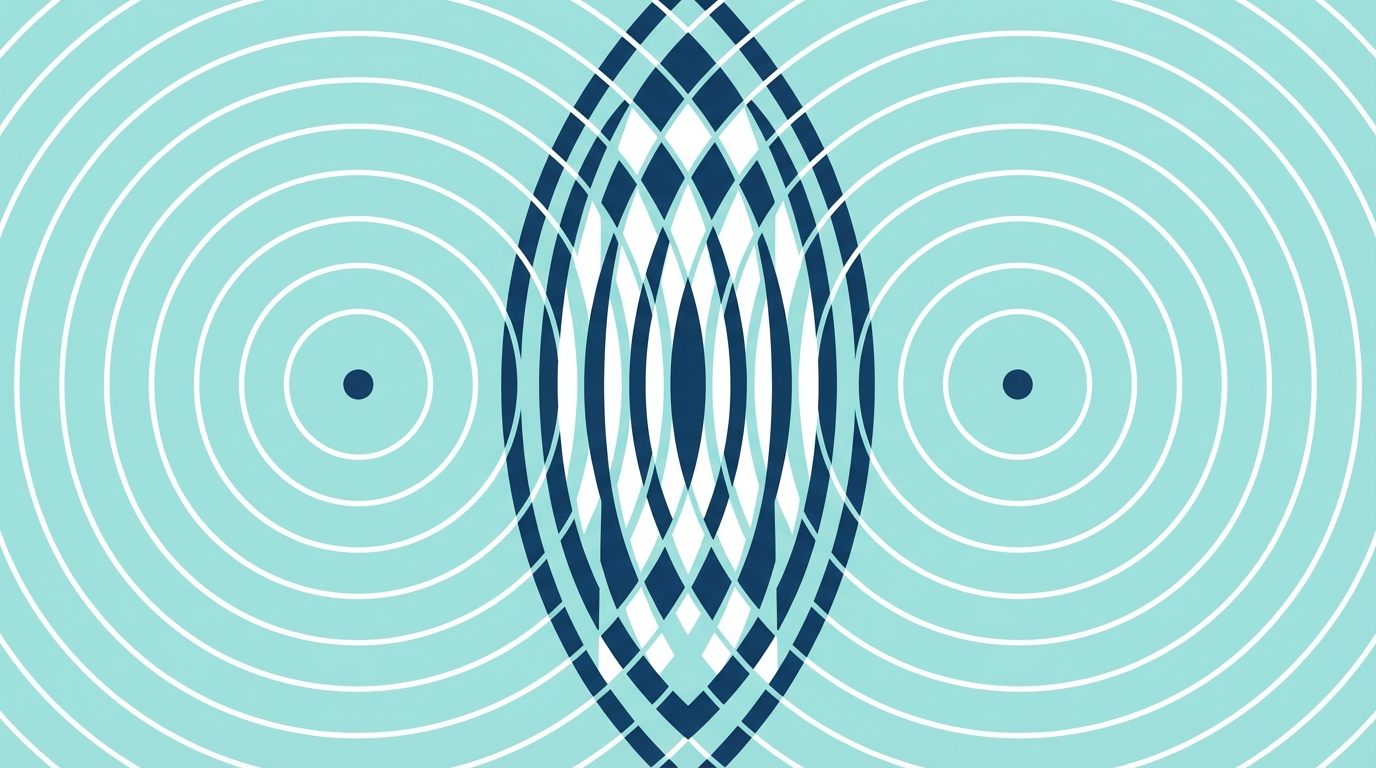
Explore how waves from two sources combine to create interference patterns with bright constructive and dark destructive regions.
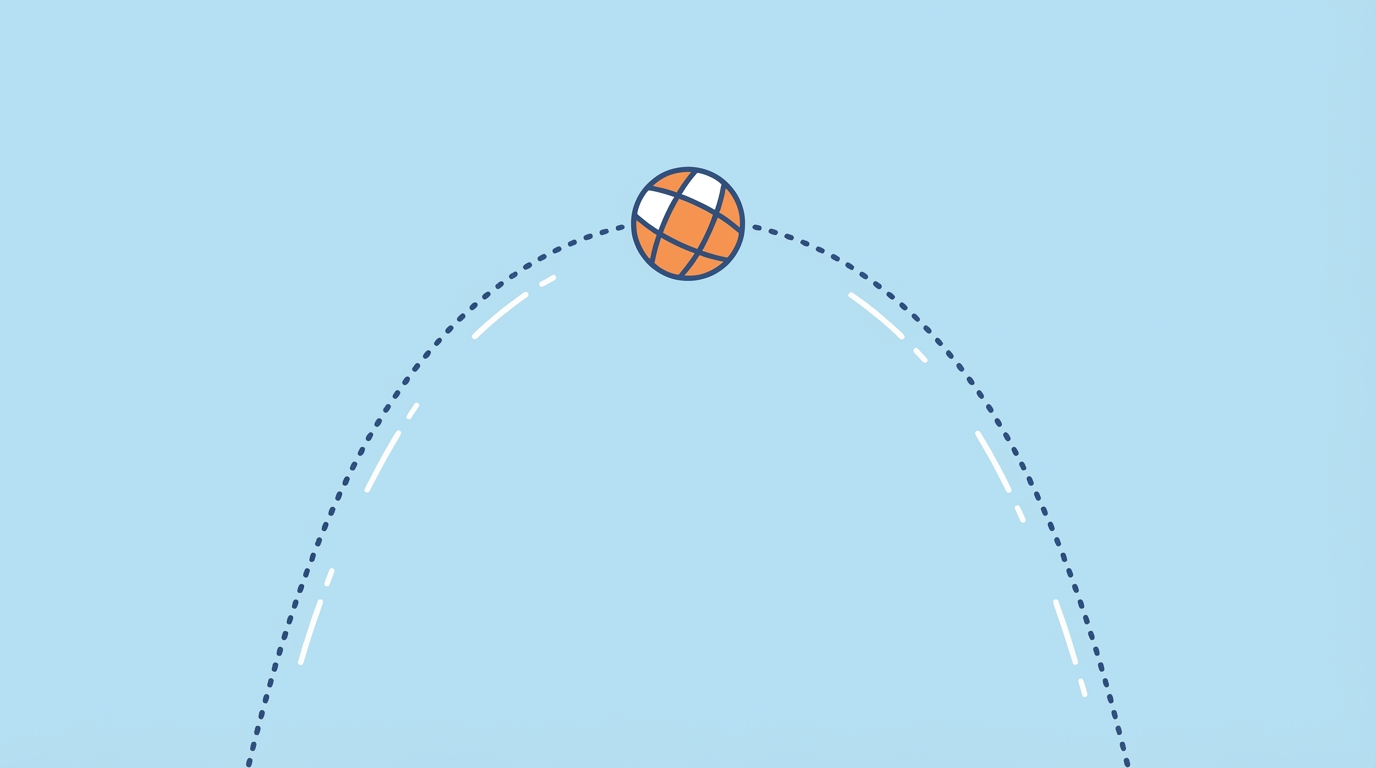
Launch projectiles at different angles and velocities to explore how gravity affects their trajectory, range, and flight time.
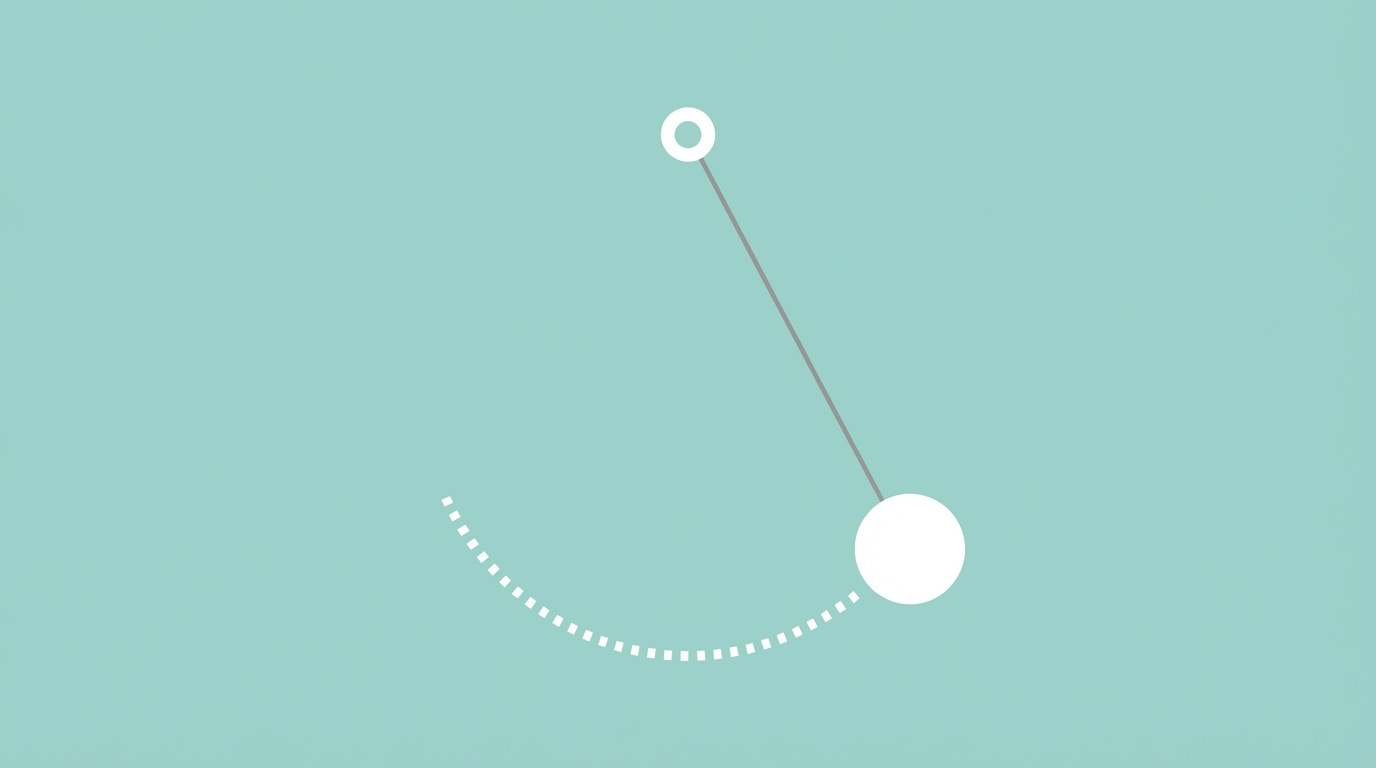
Explore how length and gravity affect a pendulum's swing. Drag the bob, adjust parameters, and see the period formula in action.
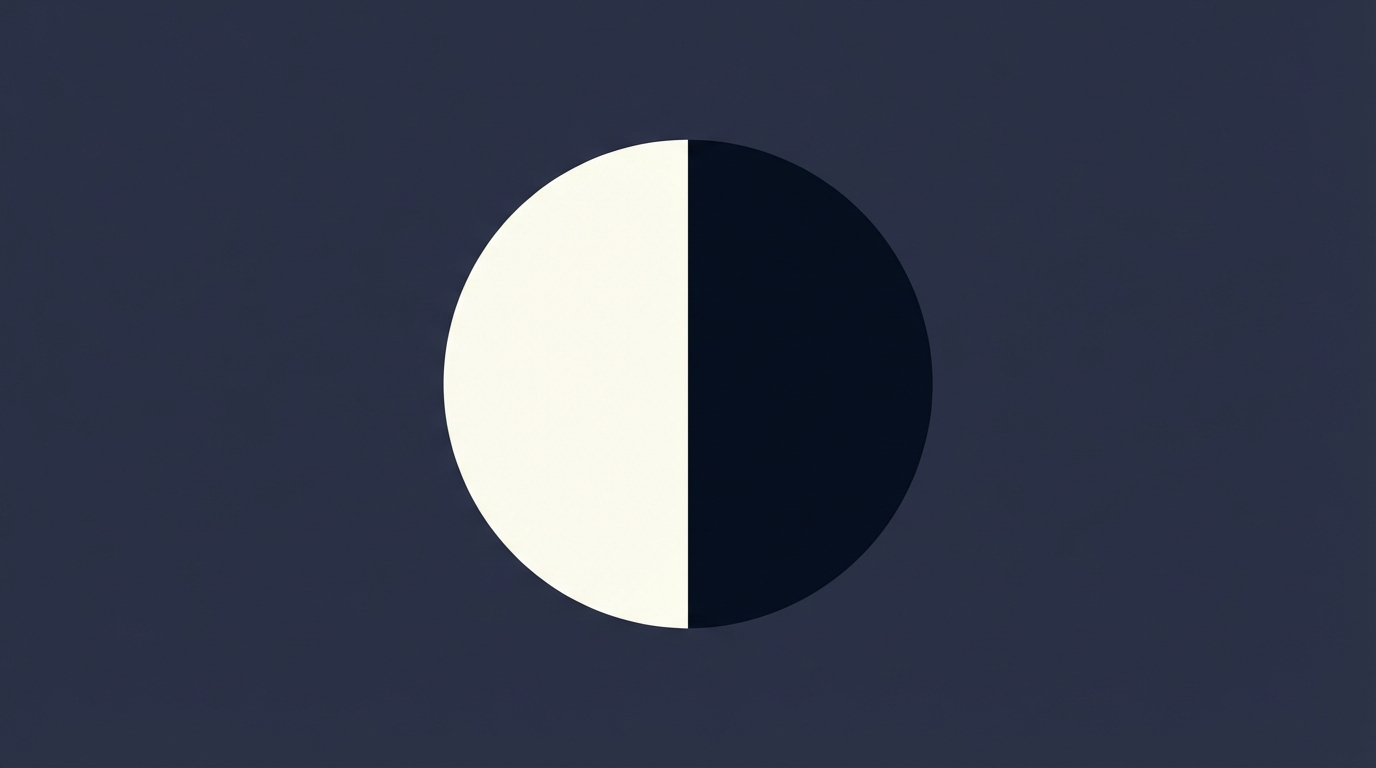
Explore moon phases, eclipses, and the lunar node precession cycle in this interactive 3D simulation.